 Free Estimate
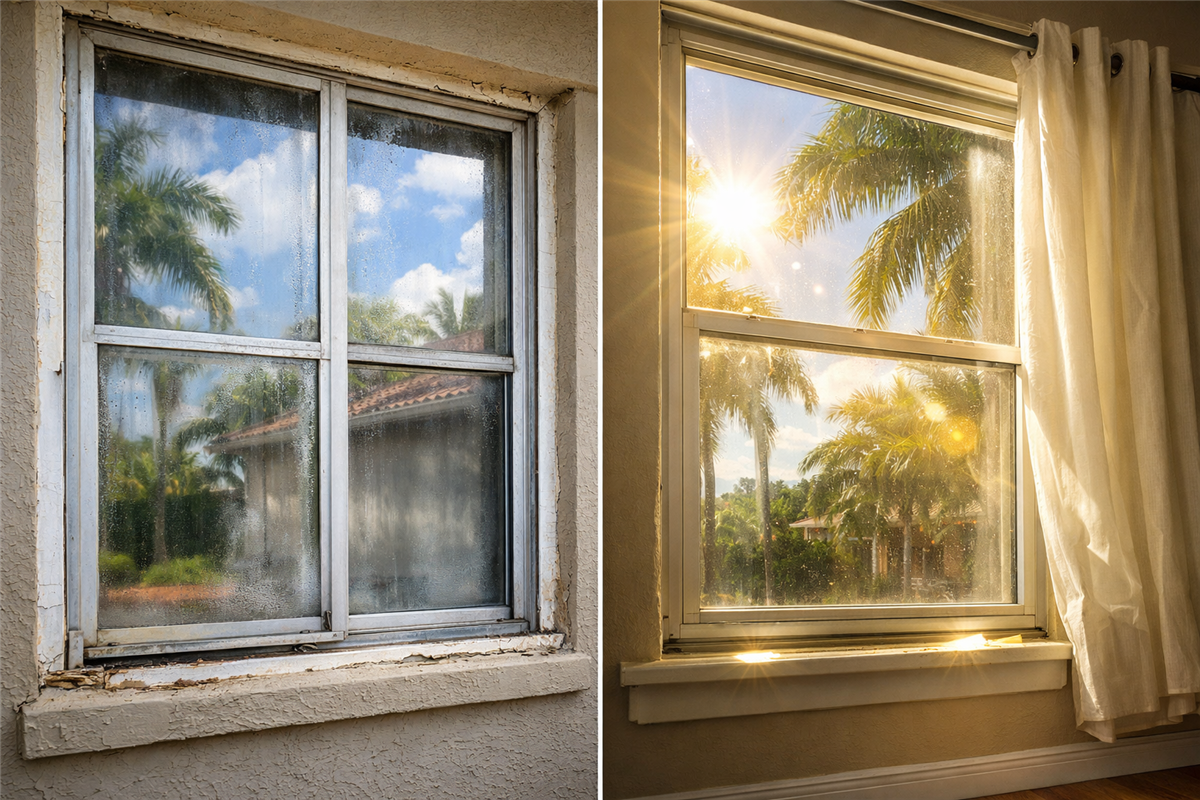
Why Cheap Windows Can Cost You More in the Long Run
When replacing windows in South Florida, it can be tempting to choose the lowest-priced option. At first glance, cheaper windows may seem like a smart way to save money.
But in reality, low-cost windows often lead to higher expenses over time. Between energy loss, frequent repairs, poor storm protection, and shorter lifespans, what looks like a bargain upfront can become a costly decision later.
Understanding the long-term impact of your window choice can help you make a smarter investment for your home.
The Hidden Cost of Cheap Windows
Cheap windows are typically built with lower-quality materials, weaker seals, and less advanced glass technology. While they may look similar to higher-end options initially, their performance often declines much faster—especially in South Florida’s climate.
1. Higher Energy Bills
One of the biggest downsides of cheap windows is poor energy efficiency.
Low-quality windows often lack:
- Proper insulation
- Low-E (low emissivity) coatings
- Tight seals
This allows heat to enter your home more easily, forcing your air conditioning system to work harder. In South Florida’s hot climate, that can lead to consistently higher energy bills year-round.
Upgrading to energy-efficient windows helps reduce heat transfer and lowers cooling costs over time.
2. Shorter Lifespan
Cheap windows are not built to last.
Lower-quality materials are more likely to:
- Warp in heat and humidity
- Deteriorate faster
- Lose their seal sooner
This means you may need to replace them much sooner than expected—sometimes within just a few years.
By comparison, higher-quality windows are designed for long-term durability and can last decades when properly installed.
3. Poor Hurricane Protection
In South Florida, storm protection is not optional—it is essential.
Cheap windows are often not built to withstand:
- Hurricane-force winds
- Flying debris
- Pressure changes during storms
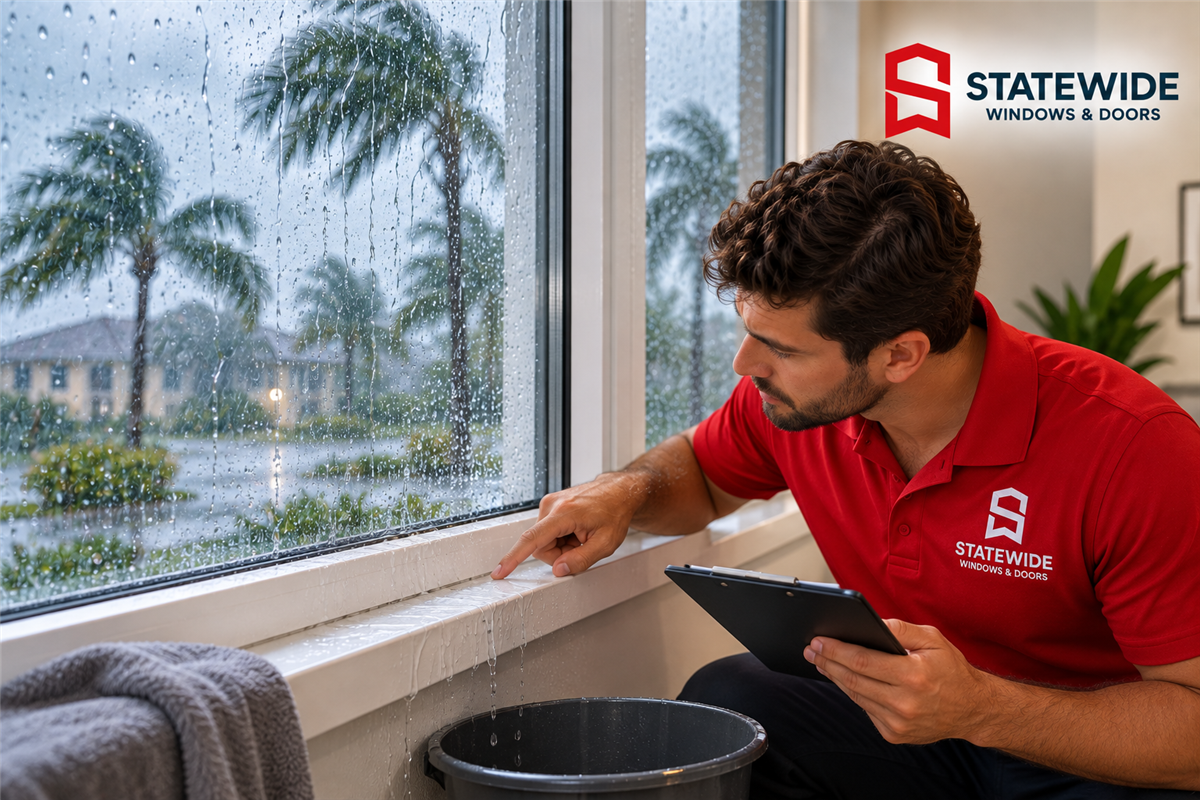
If a window fails during a hurricane, it can allow wind and rain to enter the home, potentially leading to severe structural damage.
Upgrading to impact-resistant windows provides significantly better protection and helps maintain the integrity of your home during storms.
4. Increased Maintenance and Repairs
Cheap windows tend to require more frequent maintenance.
Common issues include:
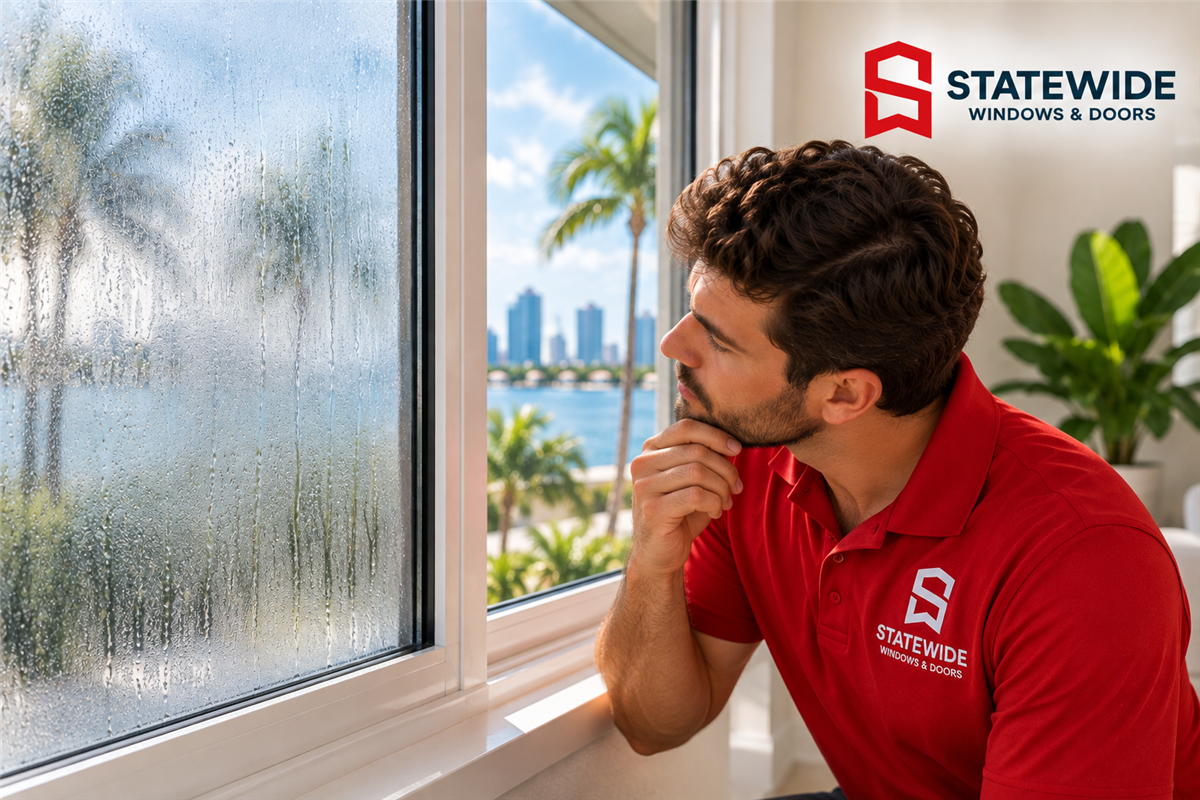
- Broken seals
- Condensation between panes
- Difficulty opening or closing
- Frame deterioration
Over time, repair costs can add up quickly—sometimes exceeding what you would have spent on higher-quality windows in the first place.
5. Reduced Home Security
Lower-cost windows often use thinner glass and weaker frames, making them easier to break.
This can increase the risk of:
- Break-ins
- Forced entry
- Property damage
Stronger window systems, especially those with laminated glass, provide an added layer of security for your home.
6. Less Noise Reduction
Cheap windows typically do little to block outside noise.
Homes near busy roads, construction zones, or urban areas may experience more sound intrusion with lower-quality windows.
Modern insulated and laminated windows help create a quieter indoor environment, improving overall comfort.
7. Lower Property Value
Buyers in South Florida often look for homes with durable, storm-ready features.
Cheap windows can make a home less attractive because they signal potential future costs for replacement or upgrades.
Higher-quality windows, especially impact-resistant ones, are often viewed as a valuable upgrade that can increase resale appeal and overall property value.
What Most Homeowners Don’t Realize
The upfront price is only part of the cost
The real cost of windows includes energy usage, maintenance, repairs, and replacement timelines—not just the initial purchase price.
South Florida conditions accelerate wear
Heat, humidity, salt air, and storms can cause low-quality windows to fail much faster than expected.
Better windows pay for themselves over time
Energy savings, durability, and reduced maintenance can offset the higher upfront investment.
When Cheap Windows Make the Least Sense
- Homes in hurricane-prone areas
- Properties exposed to strong sun and heat
- Homes where energy efficiency matters
- Long-term homeownership plans
In these situations, cutting corners on window quality often leads to higher long-term costs.
Choosing the Right Investment for Your Home
Cheap windows may save money upfront, but they often come with hidden costs that add up over time.
Higher-quality windows offer better energy efficiency, stronger protection, improved comfort, and longer lifespan—making them a smarter long-term investment for South Florida homeowners.
When it comes to windows, the goal should not be to spend the least—it should be to choose the option that delivers the best performance and value over time.
Subscribe to Statewide Windows & Doors's Blog



Comments