 Free Estimate
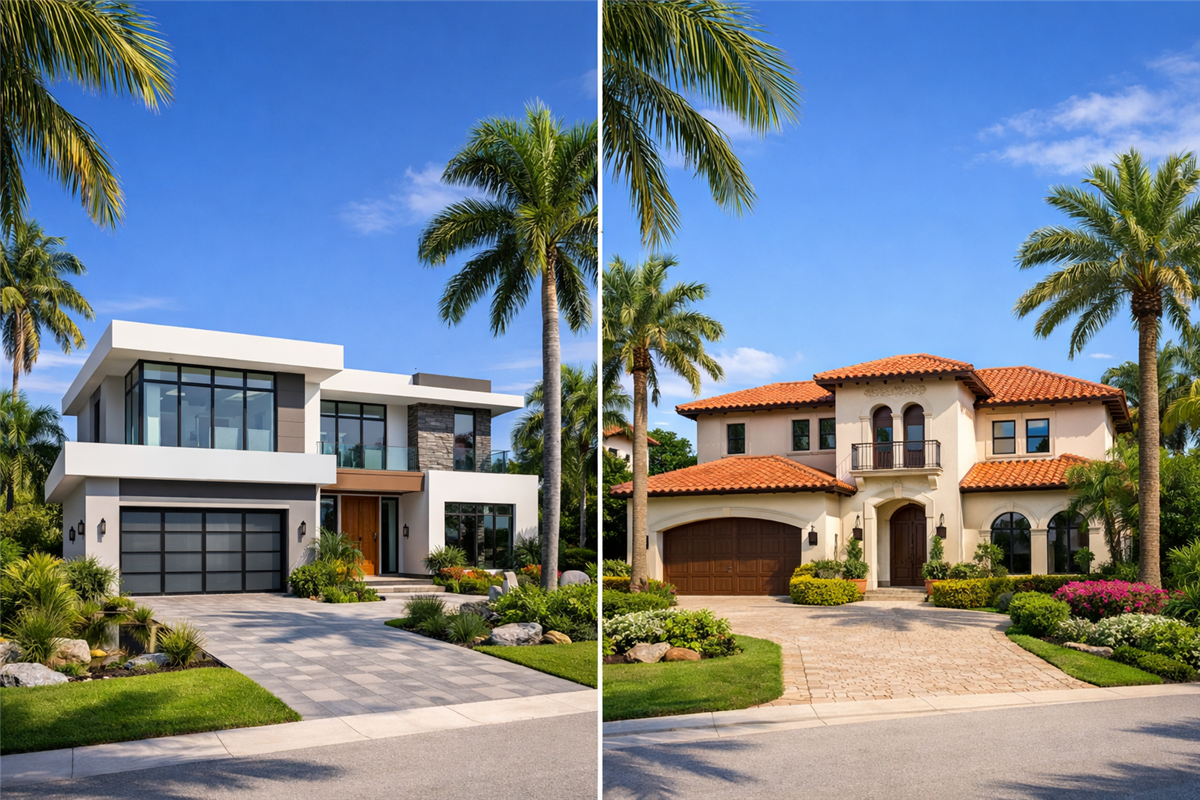
Flat Roof vs Tile Roof in South Florida (Pros and Cons)
If you’re building or replacing a roof in South Florida, one of the biggest decisions you’ll face is choosing between a flat roof and a tile roof. Both are common in Florida homes—but they offer very different benefits, costs, and performance.
With intense sun, heavy rain, and hurricane risks, choosing the right roof is critical. If you're also upgrading your home with impact windows, your roof choice plays a key role in overall protection.
What Is a Flat Roof?
A flat roof has a very slight slope (not completely flat) designed to allow water drainage.
They are commonly used in:
- Modern homes
- Commercial buildings
- Contemporary South Florida designs
What Is a Tile Roof?
Tile roofs are made from materials like clay or concrete tiles and are known for their durability and classic Florida appearance.
They are commonly seen on:
- Mediterranean-style homes
- Coastal properties
- Traditional Florida architecture
Flat Roof: Pros and Cons
Pros of Flat Roofs
- Lower upfront cost compared to tile roofs
- Modern aesthetic for contemporary homes
- Easier access for maintenance and inspections
- Usable space (for HVAC units or rooftop features)
Cons of Flat Roofs
- Shorter lifespan (typically 10–20 years)
- More prone to water pooling
- Higher maintenance needs
- Less durable in extreme weather
Tile Roof: Pros and Cons
Pros of Tile Roofs
- Long lifespan (20–30+ years)
- Excellent durability in Florida conditions
- Better resistance to heat and UV exposure
- Higher curb appeal and resale value
Cons of Tile Roofs
- Higher upfront cost
- Heavier weight (may require structural support)
- Repairs can be more specialized
Key Differences Between Flat and Tile Roofs
1. Lifespan
- Flat roof: 10–20 years
- Tile roof: 20–30+ years
Tile roofs generally last longer with proper maintenance.
2. Weather Resistance
- Flat roof: More vulnerable to standing water
- Tile roof: Better at shedding rain and resisting heat
Tile roofs tend to perform better in heavy rain conditions.
3. Cost
- Flat roof: Lower initial cost
- Tile roof: Higher upfront investment, longer-term value
4. Maintenance
- Flat roof: Requires more frequent inspections
- Tile roof: Less frequent maintenance, but specialized repairs
5. Aesthetic Appeal
- Flat roof: Sleek, modern look
- Tile roof: Classic, upscale Florida style
What Most Homeowners Don’t Realize
Drainage is critical for flat roofs
Poor drainage can lead to leaks and faster deterioration.
Tile roofs don’t mean zero maintenance
Tiles can crack or shift and still require periodic inspection.
Your roof affects your entire home system
Roof performance works together with windows, doors, and insulation for full protection.
Which Roof Is Better for South Florida?
The best choice depends on your priorities:
- Choose a flat roof if:
- You prefer modern design
- You want lower upfront cost
- You’re okay with more maintenance
- Choose a tile roof if:
- You want long-term durability
- You prefer a classic Florida look
- You want better performance in harsh weather
Why Installation Matters
No matter which roof you choose, proper installation is essential.
Professional installation ensures:
- Correct drainage and sealing
- Structural integrity
- Compliance with Florida building codes
This is especially important in hurricane-prone areas.
What This Means for Your Home
Both flat and tile roofs can work well in South Florida—but they serve different needs.
Flat roofs offer affordability and modern design, while tile roofs provide durability and long-term value.
By understanding the pros and cons of each, you can choose the roofing system that best fits your home, budget, and lifestyle—while ensuring your property is protected for years to come.
Subscribe to Statewide Windows & Doors's Blog




Comments