 Free Estimate
How Long Does a Roof Last in South Florida?
If you own a home in South Florida, your roof takes a beating year-round—from intense sun and heat to heavy rain and hurricanes. Naturally, one of the most common questions homeowners ask is: How long does a roof actually last?
The answer depends on the type of roof, materials used, and how well it’s maintained. If you're investing in your home’s protection alongside upgrades like impact windows, understanding your roof’s lifespan is essential.
Average Roof Lifespan in South Florida
In general, roofs in South Florida don’t last as long as they do in other parts of the country due to the harsh climate.
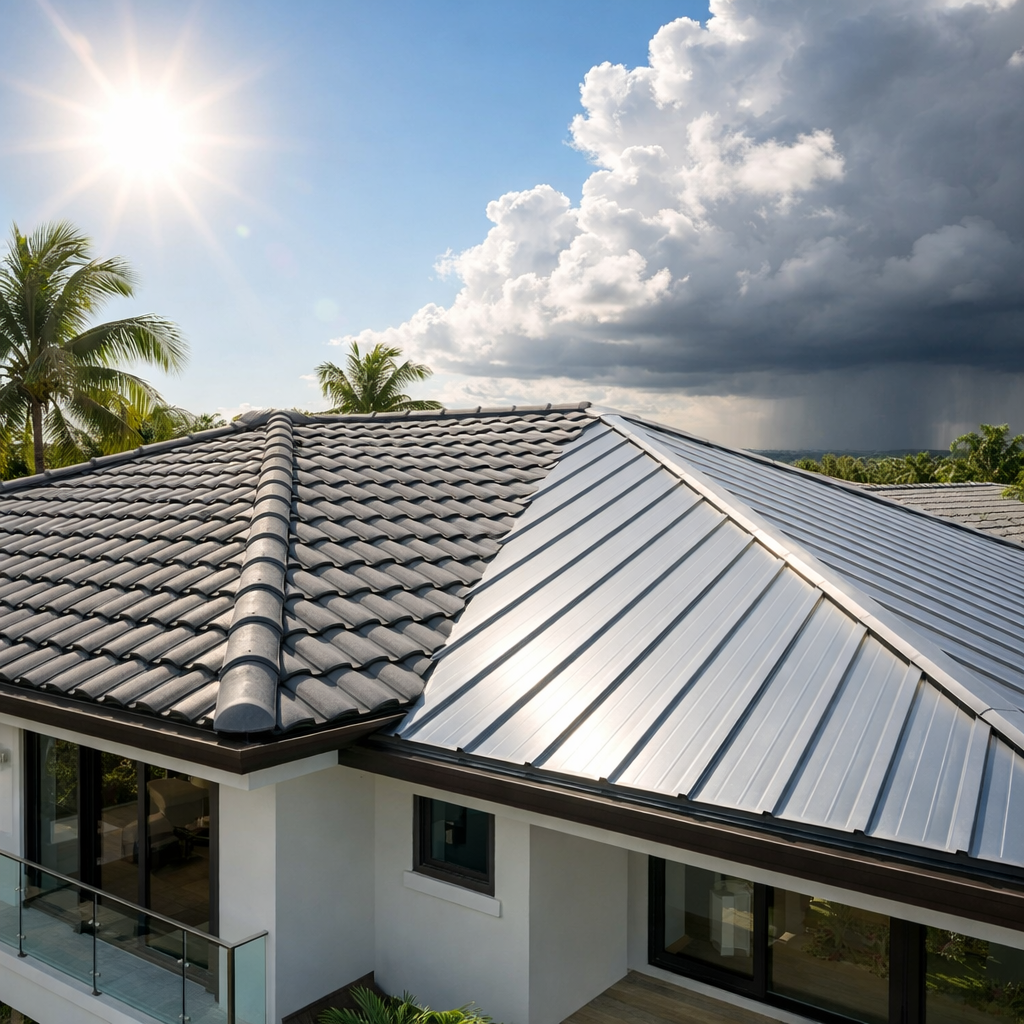
- Asphalt shingle roofs: 15–20 years
- Tile roofs (clay or concrete): 20–30+ years
- Metal roofs: 30–50 years
- Flat roofs: 10–20 years
These are averages—actual lifespan can vary based on exposure and maintenance.
Why Roofs Wear Out Faster in South Florida
1. Intense UV Exposure
Florida’s sun is one of the biggest factors in roof deterioration.
Constant UV exposure can:
- Break down roofing materials
- Cause cracking and fading
- Reduce overall durability
2. Hurricanes and Storms
High winds, flying debris, and heavy rain put extreme stress on roofs.
Even if a roof survives a storm, it may suffer:
- Loosened materials
- Hidden damage
- Reduced lifespan
3. Heat and Humidity
High temperatures combined with humidity can cause materials to expand, contract, and weaken over time.
This leads to faster wear compared to cooler climates.
4. Salt Air (Coastal Areas)
Homes near the ocean face additional exposure to salt air, which can:
- Accelerate corrosion (especially on metal components)
- Wear down protective coatings
Signs Your Roof May Need Replacement
Even before reaching its expected lifespan, your roof may show warning signs:
- Missing, cracked, or curling shingles
- Leaks or water stains inside the home
- Sagging areas
- Mold or mildew growth
- Granule loss (for shingle roofs)
If you notice these issues, it’s time to have your roof inspected.
What Most Homeowners Don’t Realize
Storm damage isn’t always visible
A roof may look fine after a storm but still have hidden structural issues.
Age matters for insurance
In Florida, older roofs can impact insurance eligibility and premiums.
Maintenance extends lifespan
Regular inspections and minor repairs can significantly delay replacement.
How to Extend the Life of Your Roof
To maximize your roof’s lifespan:
- Schedule regular inspections (especially after storms)
- Keep gutters and drainage systems clear
- Fix small issues before they become major problems
- Choose high-quality materials when replacing
Preventative care can add years to your roof’s performance.
Why Your Roof and Windows Work Together
Your roof is just one part of your home’s protection system.
For full protection in South Florida, homeowners often pair roof upgrades with impact-resistant windows to protect against:
- Wind intrusion
- Water damage
- Pressure changes during storms
A strong roof and secure openings work together to protect your home.
When to Plan for Roof Replacement
You should start planning for replacement if:
- Your roof is nearing the end of its lifespan
- You’ve experienced storm damage
- You’re seeing recurring leaks or repairs
Planning ahead helps avoid emergency situations.
What This Means for Your Home
In South Florida, roofs don’t last forever—but understanding their lifespan helps you stay ahead of costly issues.
Whether your roof lasts 15 years or 40+, factors like material quality, climate exposure, and maintenance all play a role.
By staying proactive and investing in durable materials, you can protect your home, improve efficiency, and ensure long-term performance in Florida’s demanding environment.
Subscribe to Statewide Windows & Doors's Blog




Comments