 Free Estimate
Are Impact Doors Required in Florida?
If you’re a homeowner in Florida—especially in South Florida—you’ve likely heard about impact doors and strict building codes. A common question is: Are impact doors actually required?
The answer depends on where you live, your home’s structure, and how your property is protected. If you're considering impact-rated systems, here’s what you need to know.
Are Impact Doors Required by Law?
Impact doors are not always required—but hurricane protection is.
Florida building codes require that all exterior openings (including doors) be protected against wind and debris.
This protection can be achieved in two main ways:
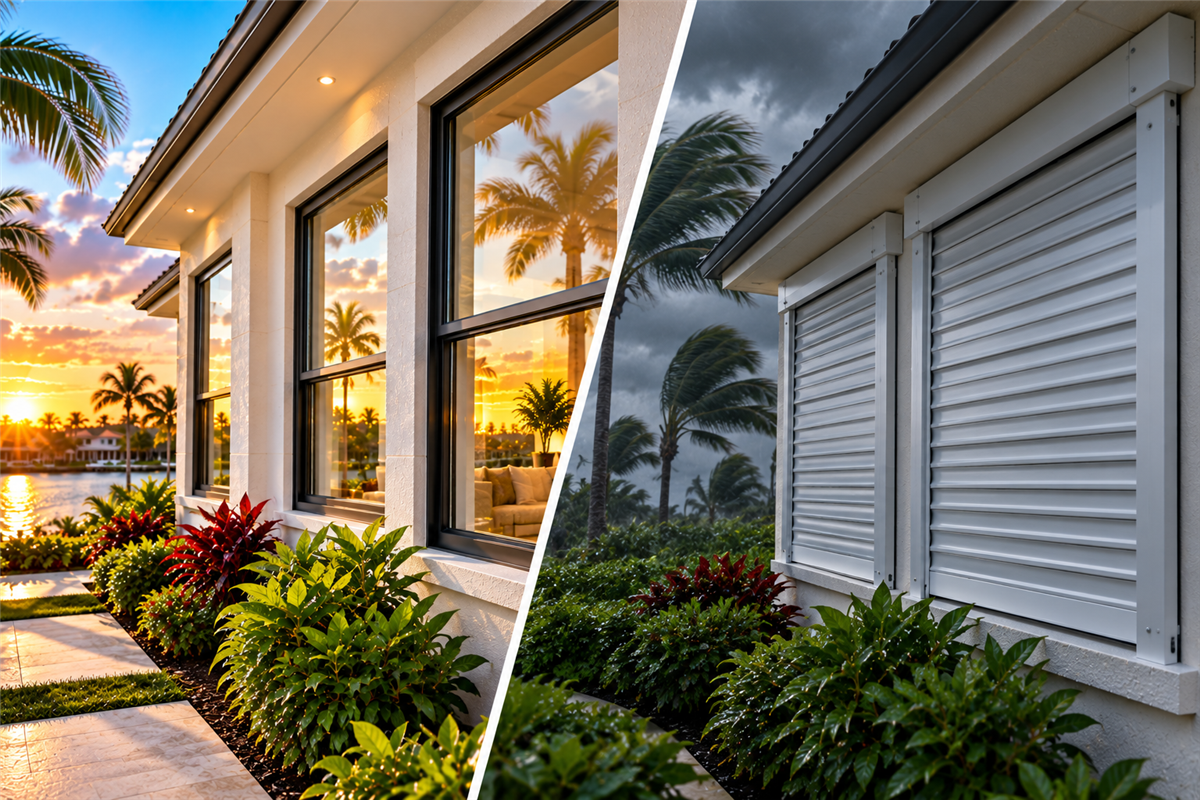
- Impact-resistant doors (permanent solution)
- Hurricane shutters (temporary solution)
So while impact doors themselves are not mandatory everywhere, some form of protection is required.
Where Impact Doors Are More Strictly Required
High-Velocity Hurricane Zone (HVHZ)
In areas like Miami-Dade and Broward County, building codes are much stricter.
In these regions:
- Doors must meet higher impact and pressure standards
- Products must have Miami-Dade NOA (Notice of Acceptance)
- Installation must follow strict guidelines
While shutters are still technically allowed, many homeowners choose impact doors for convenience and reliability.
New Construction vs Existing Homes
New construction:
- Must meet current building codes
- Requires approved protection for all openings
Existing homes:
- May not be required to upgrade unless doing renovations
- However, upgrades must meet current code when replaced
This is important when replacing older doors.
When Impact Doors Become Required
Impact doors are typically required if:
- You are building a new home
- You are replacing an existing exterior door
- You are performing major renovations
- Your home is in a high-risk wind zone
In these cases, the new installation must comply with current Florida building codes.
Impact Doors vs Shutters: What’s the Difference?
Both options meet code requirements—but they function very differently.
- Impact doors: Always in place, no setup required
- Shutters: Must be installed before each storm
Impact doors provide continuous protection, while shutters require preparation.
What Most Homeowners Don’t Realize
You don’t have to choose the minimum requirement
Meeting code is the baseline—but many homeowners choose impact doors for added convenience and safety.
Insurance can be affected
Homes with impact-rated openings may qualify for wind mitigation discounts.
Protection is only as strong as the weakest opening
One unprotected door can compromise your entire home during a storm.
Why Many Florida Homeowners Choose Impact Doors
Even when not required, impact doors offer several advantages:
- 24/7 hurricane protection
- No need to install shutters before storms
- Improved home security
- Energy efficiency benefits
- Enhanced property value
They provide both convenience and peace of mind.
Why Installation Matters
Meeting code requirements isn’t just about the product—it’s about how it’s installed.
Professional installation ensures:
- Proper anchoring to withstand wind pressure
- Weather-tight sealing
- Full compliance with Florida codes
This is critical for real protection.
What This Means for Your Home
Impact doors are not always legally required—but hurricane protection is. In many cases, especially in South Florida, installing impact doors is the most reliable and convenient way to meet those requirements.
Whether you’re building, renovating, or upgrading, choosing impact-rated doors helps ensure your home is protected, code-compliant, and ready for storm season.
In Florida, it’s not just about meeting the rules—it’s about protecting what matters most.
Subscribe to Statewide Windows & Doors's Blog



Comments