
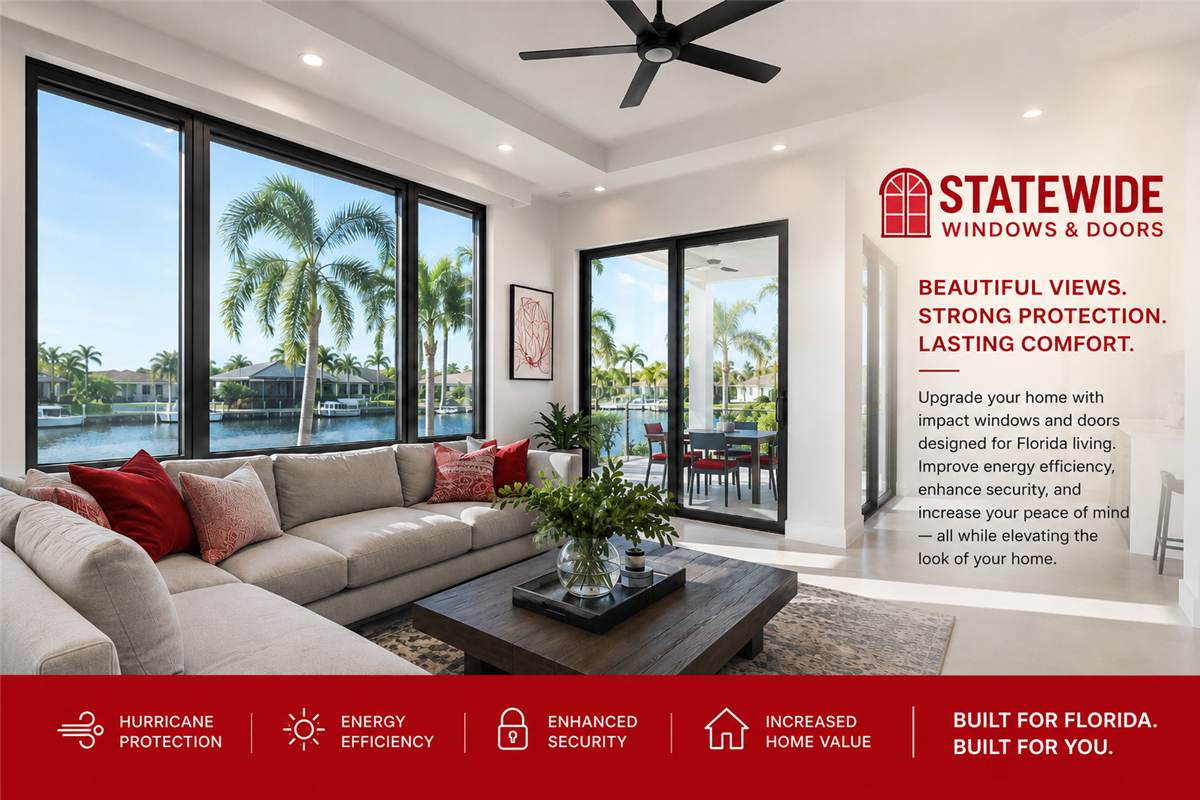
What Homeowners Should Know Before Replacing Windows
Replacing your home’s windows is a major investment—and one that can significantly impact your home’s comfort, energy efficiency, and protection.
But many homeowners jump into the process without fully understanding what to expect, which can lead to costly mistakes or missed opportunities.
If you're considering impact windows, here’s what you should know before making a decision.
Quick Answer: What Should You Know Before Replacing Windows?
- Not all windows offer the same level of protection and performance
- Installation quality is just as important as the product
- Costs, materials, and long-term value should all be considered
Bottom line: Doing your research upfront helps ensure you get the best results from your window replacement.
1. Understand Your Goals
Before choosing new windows, it’s important to define what you want to achieve.
Common goals include:
- Hurricane protection
- Energy efficiency
- Noise reduction
- Improved appearance
Your priorities will help guide the right product selection.
2. Not All Windows Are the Same
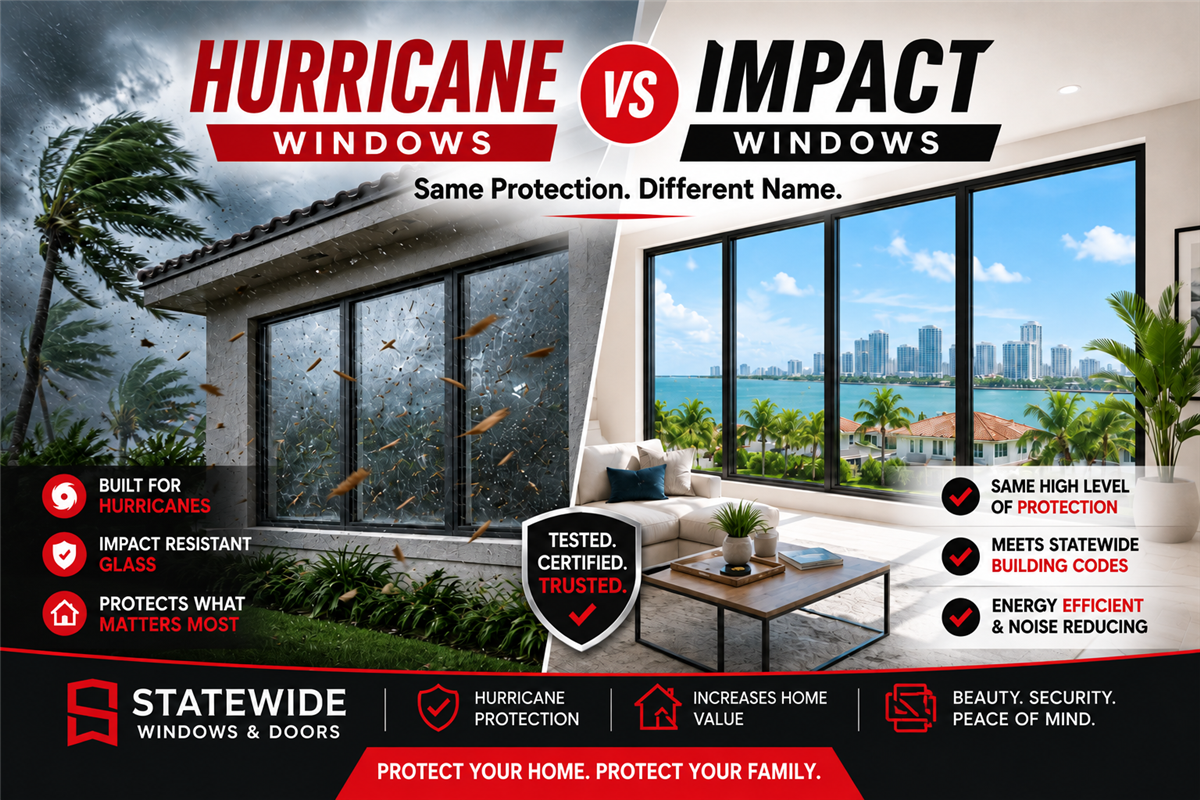
There’s a big difference between standard windows and impact windows.
Impact windows offer:
- Laminated, impact-resistant glass
- Stronger frames and hardware
- Better protection against storms and break-ins
Choosing the right type is critical, especially in Florida.
3. Consider Energy Efficiency
Modern windows can significantly improve your home’s energy performance.
Look for features like:
- Low-E (low emissivity) coatings
- Insulated glass
- Proper sealing and installation
This can help reduce cooling costs and improve indoor comfort.
4. Window Style Matters
The style of window you choose affects both appearance and performance.
Options include:
- Casement windows for strong sealing
- Single-hung or double-hung for traditional designs
- Sliding windows for larger openings
Each style has its own benefits depending on your home.
5. Budget vs. Long-Term Value
It’s tempting to focus only on upfront cost—but long-term value matters more.
Higher-quality windows can:
- Reduce energy bills
- Lower maintenance costs
- Increase home value
Think of window replacement as an investment, not just an expense.
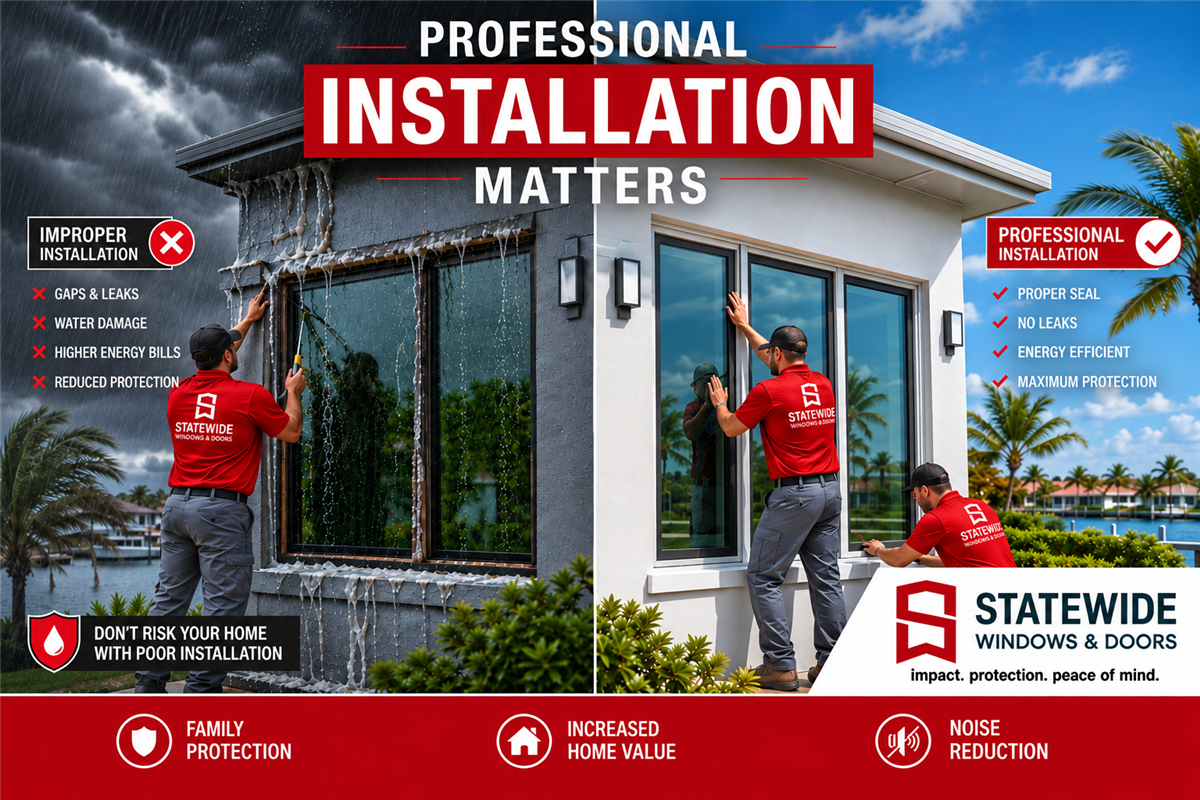
6. Installation Is Critical
Even the best windows won’t perform properly if installed incorrectly.
Professional installation ensures:
- Proper fit and alignment
- Secure anchoring
- Sealing against air and water leaks
This is one of the most important parts of the entire process.
7. Permits and Building Codes
In Florida, window replacement often requires permits and must meet strict building codes.
This includes:
- Impact resistance requirements
- Design Pressure (DP) ratings
- Inspection approvals
Working with experienced professionals helps ensure compliance.
8. Timeline and Installation Process
Window replacement isn’t an instant process—it involves several steps.
Typical timeline includes:
- Consultation and measurements
- Custom manufacturing
- Installation and inspection
Understanding the timeline helps set realistic expectations.
What Most Homeowners Don’t Realize
Preparation makes a big difference
Planning ahead helps avoid delays and unexpected costs.
Quality matters more than price
Cheaper options may cost more in the long run.
It’s a full-home upgrade
New windows impact comfort, safety, and efficiency all at once.
What This Means for Your Home
Replacing your windows is one of the most impactful upgrades you can make—but it requires careful planning and the right decisions.
By understanding your options, prioritizing quality, and working with experienced professionals, you can ensure your new windows deliver long-term value and performance.
In Florida, where weather and energy efficiency are key concerns, the right window replacement can make your home safer, more comfortable, and more efficient for years to come.
Subscribe to Statewide Windows & Doors's Blog






Comments