 Free Estimate

Signs It’s Time to Replace Your Roof in South Florida
Roofs in South Florida face some of the toughest weather conditions in the country. Constant sun exposure, high humidity, heavy rainfall, and hurricane-force winds can gradually wear down roofing materials over time.
While regular maintenance can extend the lifespan of a roof, every roof eventually reaches a point where repairs are no longer enough. Recognizing the warning signs early can help homeowners avoid serious structural damage and costly emergency repairs.
Below are some common signs that it may be time to replace your roof in South Florida.
Your Roof Is Over 20 Years Old
Age is one of the biggest indicators that a roof may need replacement.
Most asphalt shingle roofs last 15–25 years, while tile and metal roofs can last longer depending on the materials and maintenance. In South Florida’s harsh climate, intense UV exposure and frequent storms can shorten a roof’s lifespan.
If your roof is approaching or exceeding its expected lifespan, it may be time to consider a replacement before major problems occur.
Missing or Damaged Shingles or Tiles
Strong winds, storms, and long-term wear can cause roofing materials to crack, loosen, or fall off.
Common signs of roof damage include:
Missing shingles or tiles
Cracked or curling shingles
Loose or displaced roofing materials
Bald spots where granules have worn away
When large areas of the roof show damage, replacing the roof may be more cost-effective than repeated repairs.
Water Leaks or Interior Water Stains
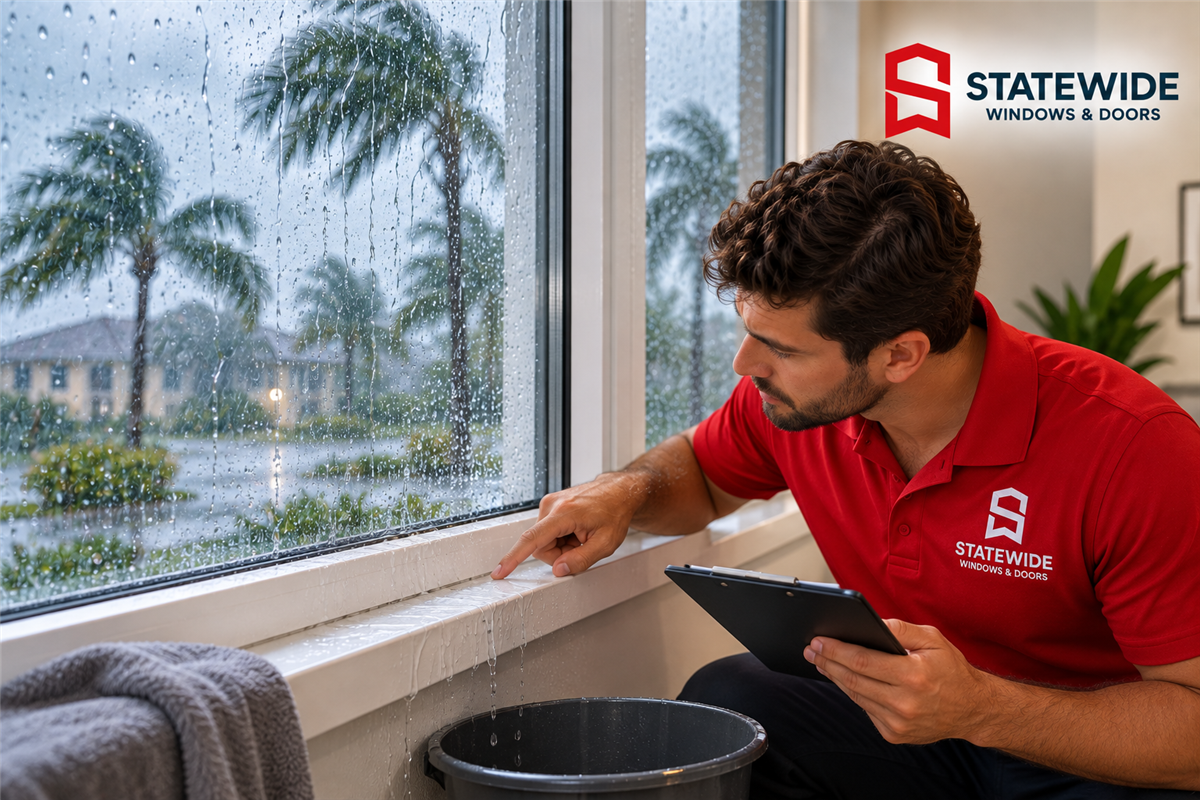
Water leaks inside the home are one of the clearest signs of roof failure.
Leaks may appear as:
Water stains on ceilings or walls
Damp spots in the attic
Mold or mildew growth
Dripping water during heavy rain
Once moisture begins entering the home, it can damage insulation, drywall, and structural components. If leaks become frequent, roof replacement may be necessary.
Sagging Roof Areas
A sagging roof is a serious structural warning sign.
Roof sagging may indicate:
Water damage within the roof structure
Rotting roof decking
Structural weakening of the roof supports
If sections of the roof appear uneven or sagging, homeowners should have the roof inspected immediately.
Granules in Gutters
Asphalt shingles are coated with protective granules that help shield them from UV rays and weather damage.
Over time, these granules begin to wear off. If you notice large amounts of granules collecting in gutters or downspouts, it may mean the shingles are deteriorating.
When granule loss becomes widespread, the roof may no longer provide adequate protection.
Storm or Hurricane Damage
South Florida regularly experiences severe storms and hurricanes that can cause significant roof damage.
High winds can loosen shingles, crack tiles, and damage flashing around vents and chimneys. Even if damage is not immediately visible from the ground, storms can weaken the roof’s protective barrier.
After major storms, it is often recommended to have the roof inspected to determine whether repairs or replacement are necessary.
Rising Energy Bills
An aging roof can also affect your home’s energy efficiency.
Damaged roofing materials or poor ventilation can allow heat to enter the home more easily. In South Florida’s hot climate, this can force air conditioning systems to work harder to maintain comfortable temperatures.
If energy bills continue rising without another clear explanation, the roof’s insulation or structure may be part of the problem.
Mold, Moss, or Algae Growth
The humid climate in South Florida can encourage mold, moss, and algae growth on roofs.
While small amounts of algae are common, excessive growth may indicate trapped moisture or deteriorating roofing materials. Over time, moisture buildup can weaken the roof structure and shorten its lifespan.
Addressing these issues early can prevent more serious damage.
Bottom Line
Your roof plays a critical role in protecting your home from South Florida’s challenging weather conditions. When roofing materials begin to deteriorate, delaying replacement can lead to costly repairs and structural damage.
Some of the most common signs it may be time to replace your roof include:
Roof age exceeding 20 years
Missing or damaged shingles or tiles
Water leaks or interior stains
Sagging roof areas
Granules collecting in gutters
Storm or hurricane damage
Rising energy bills
Mold or algae growth
If you notice these warning signs, having a professional roof inspection can help determine whether repairs or a full roof replacement is the best solution.
Replacing an aging roof can improve your home’s protection, energy efficiency, and long-term value.
Subscribe to Statewide Windows & Doors's Blog





Comments