
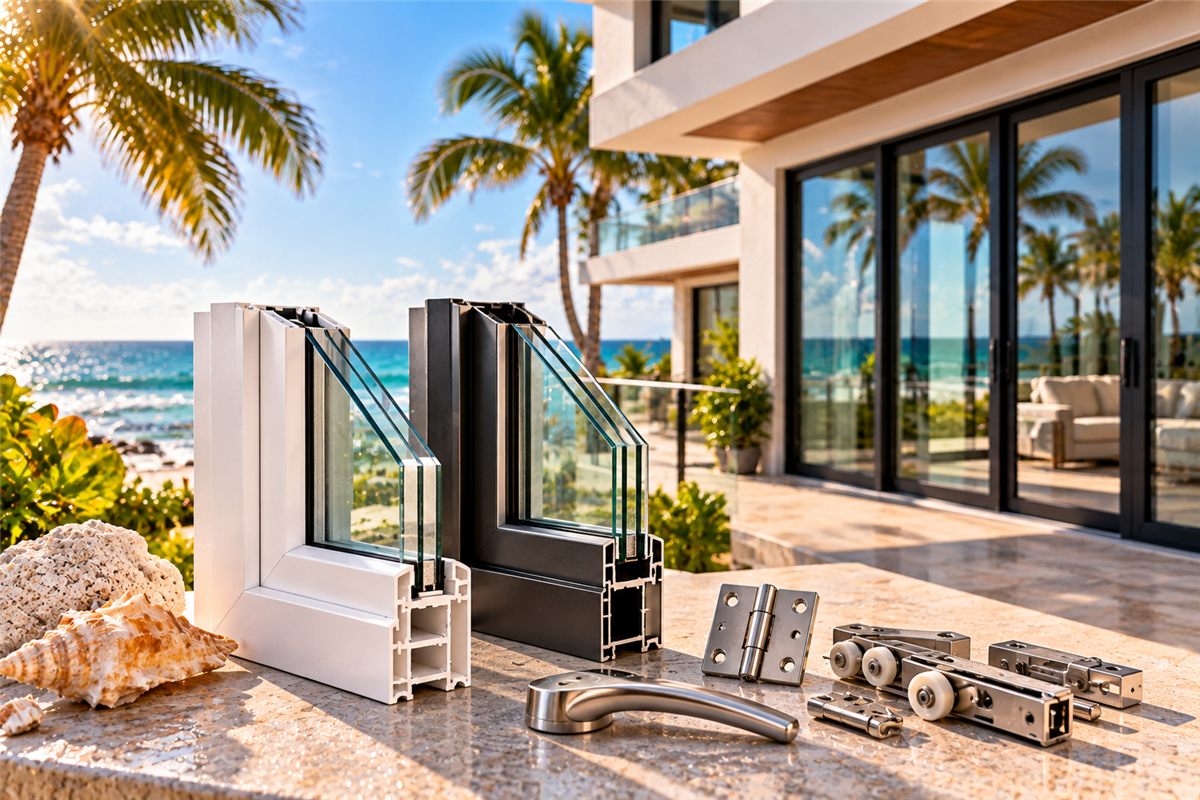
Living near the Florida coast offers beautiful views, ocean breezes, and easy access to the water. However, coastal living also creates unique challenges for a home's exterior materials.
Salt air, humidity, intense sunlight, and frequent rain can affect windows, doors, and exposed metal components over time.
For homeowners considering impact-resistant windows, choosing the right products involves more than hurricane protection and appearance. Frame materials, protective finishes, hardware, maintenance requirements, and warranty limitations are also important.
At Statewide Windows & Doors, Florida homeowners can explore vinyl and aluminum impact-window options designed for different residential needs.
This guide explains what coastal homeowners should know before purchasing impact windows and how to protect their investment after installation.
Why Coastal Homes Need Special Window Considerations
Florida's coastal environment exposes exterior building materials to conditions that may accelerate wear.
Homes near the Atlantic Ocean, Gulf of Mexico, Intracoastal Waterway, and other saltwater environments may experience exposure to airborne salt particles.
These particles can settle on window frames, hardware, tracks, and other exterior components.
Combined with moisture and humidity, salt deposits can contribute to corrosion of susceptible metal components.
The severity of exposure depends on factors such as:
- Distance from saltwater
- Prevailing winds
- Direct ocean exposure
- Building height
- Orientation of the windows
- Rainfall and moisture
- Protective finishes
- Cleaning and maintenance practices
Not every coastal home experiences the same conditions.
What Does Salt Air Do to Windows?
Salt carried by ocean breezes can accumulate on exterior surfaces.
Over time, salt deposits and moisture may contribute to deterioration of vulnerable materials.
Depending on the product and conditions, homeowners may notice:
- Corrosion on exposed metal components
- Discoloration of certain finishes
- Wear around hardware
- Difficulty operating poorly maintained windows
- Salt residue on glass
- Accumulation of debris in tracks
These issues do not necessarily mean an impact window is defective.
Coastal exposure, material selection, product quality, installation, and maintenance can all affect long-term performance.
Are Impact Windows Good for Coastal Florida Homes?
Impact-resistant windows can be an appropriate option for coastal Florida homes when the selected product is suitable for the property's requirements.
Impact windows are designed and tested to meet specified impact and wind-pressure conditions.
They can provide benefits such as:
- Resistance to windborne debris
- Hurricane-related opening protection
- Improved security characteristics
- Reduced outside noise
- Energy-efficiency options
- UV-protection features, depending on the glass
However, impact resistance and corrosion resistance are different characteristics.
A product's impact rating does not automatically establish how its finishes or hardware will perform after years of coastal exposure.
Vinyl vs. Aluminum Impact Windows for Coastal Homes
Two common frame materials used in Florida impact-window systems are vinyl and aluminum.
Both can be appropriate for coastal applications, depending on the specific product, configuration, and environmental conditions.
Homeowners should compare the actual manufacturer and product series rather than assuming every vinyl or aluminum window performs identically.
Vinyl Impact Windows in Coastal Florida
Vinyl window frames are commonly manufactured using PVC-based materials.
Because the frame material itself is nonmetallic, vinyl does not experience metal corrosion in the same way as aluminum or steel.
Potential advantages of vinyl frames can include:
- Resistance to rust in the frame material
- Low-maintenance characteristics
- Thermal performance benefits
- Available impact-resistant configurations
- Different styles and glass options
However, vinyl windows can still contain metal reinforcement, fasteners, locks, and other hardware that may require attention in coastal environments.
Homeowners should also consider the manufacturer's specifications, available colors, structural requirements, and warranty terms.
Aluminum Impact Windows in Coastal Florida
Aluminum is widely used in Florida window and door systems.
It offers structural characteristics that can make it suitable for various residential designs, including certain large openings and architectural configurations.
Potential advantages of aluminum frames can include:
- Structural strength
- Relatively slim frame profiles in some designs
- Architectural flexibility
- Different finish options
- Available impact-resistant configurations
Aluminum can corrode under certain environmental conditions, particularly when protective finishes are damaged or when incompatible metals and moisture create unfavorable conditions.
Appropriate finishing, hardware selection, installation, and maintenance are important considerations.
Is Vinyl Better Than Aluminum Near the Ocean?
Neither material is automatically the best choice for every coastal property.
Vinyl offers the advantage of a nonmetallic frame material, while aluminum can offer structural and architectural benefits.
However, the final decision should consider:
- Manufacturer
- Product series
- Frame construction
- Protective finishes
- Hardware materials
- Window size
- Design pressure
- Glass configuration
- Maintenance requirements
- Warranty limitations
Statewide Windows & Doors offers both vinyl and aluminum impact-window options, allowing homeowners to explore products suited to their project requirements.
Why Window Frame Finishes Matter
For aluminum impact windows, the protective finish is an important consideration in coastal environments.
Finishes help protect the underlying metal while providing the desired appearance.
Different manufacturers and product lines may offer different finishing systems.
These can include:
- Powder-coated finishes
- Painted finishes
- Anodized finishes
- Other manufacturer-specific protective coatings
Homeowners should ask which finish is included with the proposed window and whether the manufacturer recommends it for the property's exposure conditions.
Powder-Coated Aluminum Windows
Powder coating is a finishing process used on many aluminum building products.
When properly specified and applied, a suitable powder-coating system can provide protective and decorative benefits.
However, not every powder-coated product has identical performance characteristics.
Factors such as coating quality, preparation, environmental exposure, and maintenance can affect long-term results.
Homeowners should review the manufacturer's actual finish specifications and warranty rather than assuming all powder coatings are equivalent.
Anodized Aluminum Window Finishes
Anodizing is another finishing process used on aluminum products.
It creates a controlled oxide layer on the aluminum surface.
Depending on the product and application, anodized finishes can offer certain durability and appearance characteristics.
However, suitability for a particular coastal environment depends on the specific finish and manufacturer recommendations.
Homeowners should not assume that an anodized finish is automatically superior to every other finishing system.
Does Frame Color Affect Coastal Performance?
Frame color can influence the appearance of a home and may also affect how certain surface conditions are noticed.
For example, salt residue may be more visible on some darker finishes.
However, color alone does not determine whether a frame is suitable for coastal use.
Homeowners should prioritize the manufacturer's finish specifications, product construction, maintenance guidance, and warranty coverage.
Available frame colors depend on the selected manufacturer and product series.
Why Window Hardware Matters Near Saltwater
Window hardware is an important part of long-term product performance.
Depending on the window style, hardware can include:
- Locks
- Handles
- Hinges
- Operators
- Fasteners
- Rollers
- Tracks
- Other moving components
Some of these components may be exposed to moisture and airborne salt.
Appropriate materials, protective treatments, and maintenance can help reduce avoidable deterioration.
Stainless Steel Hardware: What Homeowners Should Know
Stainless steel is commonly used in products where corrosion resistance is important.
However, stainless steel is not completely immune to corrosion.
Different grades of stainless steel offer different characteristics, and performance can depend on exposure conditions and maintenance.
Homeowners should ask the manufacturer or installer about the hardware included with the selected window system.
Do not assume that all products marketed as stainless steel contain the same grade or have identical corrosion resistance.
Can Salt Air Affect Sliding Glass Doors?
Yes.
Sliding glass doors can contain several components that may be affected by coastal exposure.
These include:
- Tracks
- Rollers
- Locks
- Handles
- Fasteners
- Frame components
Sand, salt residue, and debris can accumulate in tracks and interfere with smooth operation.
Routine cleaning and manufacturer-approved maintenance are important.
Learn more about impact sliding glass doors from Statewide Windows & Doors.
Impact Doors Also Need Coastal Consideration
Exterior doors may experience similar environmental exposure.
Coastal homeowners should consider the materials and finishes used in:
- Door frames
- Hinges
- Locks
- Handles
- Thresholds
- Fasteners
- Other exposed hardware
Even an impact-resistant door may require periodic cleaning and maintenance.
Explore impact door options from Statewide Windows & Doors.
How Close to the Ocean Is Too Close?
There is no universal distance from the ocean that determines whether a particular impact-window product is appropriate.
Coastal exposure depends on more than distance alone.
A home directly exposed to ocean winds may experience different conditions from a home sheltered by nearby buildings or landscaping.
Homeowners should discuss their property's actual location and exposure with the window contractor and review the manufacturer's recommendations.
Impact Windows for Florida Waterfront Homes
Waterfront homes often feature large windows and sliding glass doors intended to maximize outdoor views.
Common features include:
- Picture windows
- Large fixed-glass openings
- Horizontal sliding windows
- Casement windows
- Multi-panel sliding glass doors
- Glass entry systems
For large openings, product selection should account for the exact dimensions, configuration, design pressures, and applicable approvals.
Coastal exposure and hardware maintenance should also be considered.
Does Salt Air Damage Impact Glass?
Salt residue can accumulate on glass surfaces and leave visible deposits.
These deposits may affect the appearance of the glass, particularly when allowed to remain for extended periods.
Homeowners should clean glass according to the manufacturer's instructions.
Some glass products have special coatings or treatments that require particular cleaning methods.
Avoid assuming that every household cleaner is appropriate for impact-window glass.
How to Clean Impact Windows Near the Ocean
Routine cleaning can help remove accumulated salt, dirt, and other deposits.
Always follow the cleaning instructions provided by the product manufacturer.
General considerations may include:
- Review the manufacturer's cleaning guidance.
- Remove loose dirt and debris using approved methods.
- Clean glass with recommended materials.
- Clean frames according to the finish requirements.
- Pay attention to tracks and accessible hardware.
- Rinse and dry surfaces when directed.
- Inspect accessible components for unusual wear.
Do not use abrasive materials or harsh chemicals unless specifically approved for the product.
How Often Should Coastal Impact Windows Be Cleaned?
There is no single cleaning schedule that applies to every manufacturer and property.
Homes with heavier salt exposure may need more frequent attention than properties farther inland.
The appropriate schedule depends on:
- Manufacturer recommendations
- Distance from saltwater
- Exposure to ocean winds
- Visible salt accumulation
- Rainfall
- Window style
- Hardware configuration
Homeowners should follow the maintenance intervals specified for their actual products.
Should You Lubricate Window Hardware?
Some window and door systems require specific maintenance for moving components.
However, homeowners should not apply random lubricants to locks, rollers, tracks, or operators.
Using an incompatible product can attract debris or interfere with certain components.
Consult the manufacturer's maintenance instructions before lubricating any part of the system.
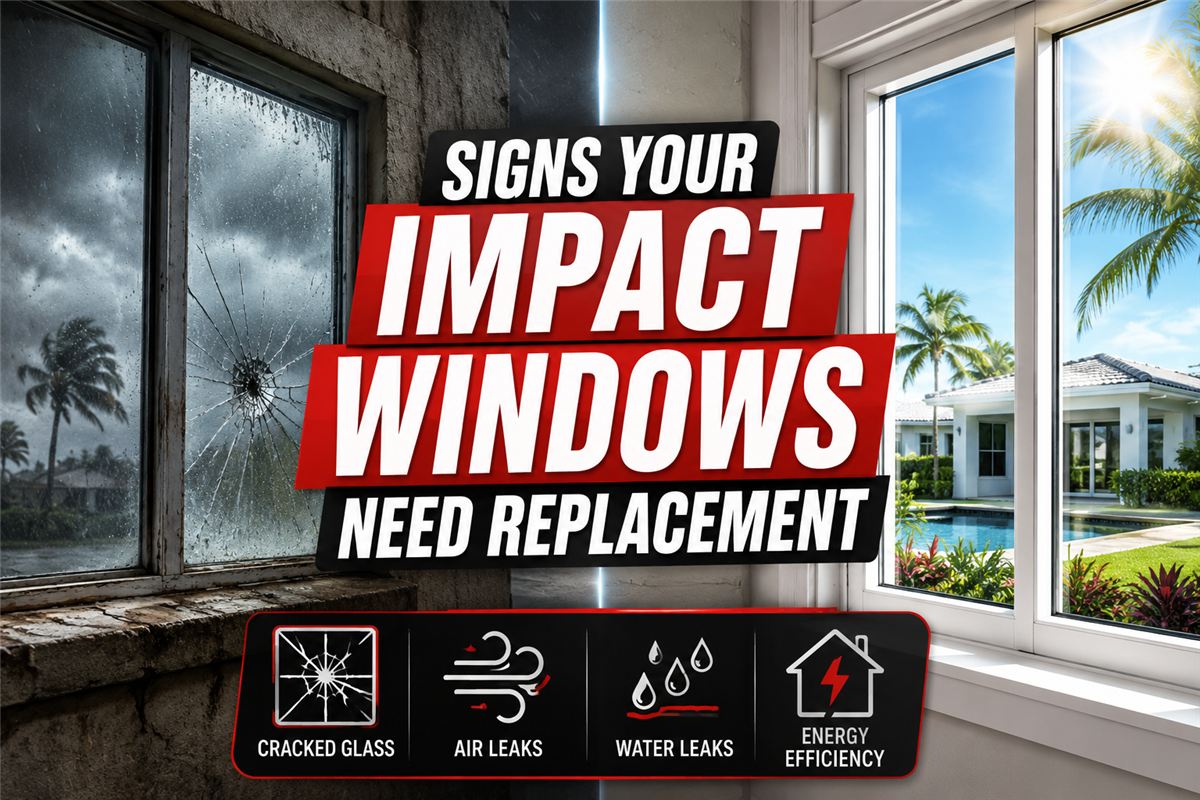
Warning Signs of Coastal Window Wear
Homeowners should pay attention to changes in window or door operation.
Possible signs that maintenance or professional evaluation may be needed include:
- Visible corrosion on hardware
- Discoloration around metal components
- Difficulty opening or closing
- Sticking locks
- Rough sliding-door operation
- Damaged protective finishes
- Loose or deteriorating hardware
- Unusual changes in weatherstripping
These symptoms can have different causes.
If a problem develops, consult the appropriate service professional rather than forcing the window or door to operate.
Can Coastal Corrosion Affect Window Warranties?
Warranty terms vary by manufacturer, product series, component, and installation location.
Some warranties contain conditions or exclusions relating to:
- Saltwater exposure
- Corrosion
- Finish deterioration
- Improper cleaning
- Failure to perform required maintenance
- Use of incompatible chemicals
- Unauthorized modifications
- Improper installation
Homeowners should review the actual written warranty before purchasing a product.
Do not assume that a lifetime warranty covers every component or every form of environmental deterioration.
Questions to Ask About Coastal Warranty Coverage
Before ordering impact windows for a coastal property, consider asking:
- Does the manufacturer have special coastal warranty conditions?
- Are there restrictions based on distance from saltwater?
- What frame finishes are covered?
- Is corrosion covered or excluded?
- What hardware is covered?
- Are there required maintenance intervals?
- What cleaning products are approved?
- Is warranty registration required?
- What documentation should be retained?
- What happens if a component requires service?
Request the written warranty so you can review the terms yourself.
Manufacturer Warranty vs. Installation Warranty
Homeowners should understand that manufacturer warranty coverage and contractor workmanship coverage may be different.
A manufacturer warranty generally addresses specified product or component issues under the manufacturer's terms.
Workmanship coverage may address qualifying installation-related concerns under a separate agreement.
Neither should be assumed to cover every issue associated with coastal exposure.
Review both documents carefully.
Do Impact Windows Need Special Maintenance After Hurricanes?
After severe weather, homeowners should visually check accessible windows and doors for signs of damage when it is safe to do so.
Possible concerns can include:
- Broken or cracked glass
- Damaged frames
- Loose components
- Water intrusion
- Hardware problems
- Visible impact damage
Do not operate visibly damaged windows or doors if doing so could create a safety risk.
Contact an appropriate professional when inspection or service is needed.
Why Proper Installation Matters
Even a high-quality impact window must be installed according to its approved requirements.
Installation considerations can include:
- Opening preparation
- Product dimensions
- Anchoring
- Approved installation details
- Sealants
- Flashing and water management
- Applicable building requirements
Proper installation is especially important for homes exposed to heavy rainfall, wind, and coastal conditions.
Homeowners should work with appropriately licensed professionals and understand the installation scope included in their proposal.
Does a Miami-Dade NOA Mean a Window Is Corrosion-Proof?
No.
A Miami-Dade Notice of Acceptance can provide information about a product's approved characteristics and limitations.
However, homeowners should not interpret product approval as a guarantee that frames, finishes, or hardware will never corrode.
Impact performance, wind-pressure performance, finish durability, and corrosion resistance involve different considerations.
Review the exact product specifications and warranty.
Are Coastal Impact Windows More Expensive?
The cost of impact windows depends on several factors.
These can include:
- Manufacturer
- Product series
- Frame material
- Window size
- Window style
- Glass configuration
- Finish options
- Hardware
- Installation complexity
- Applicable product requirements
Some product or finish options may affect pricing, but homeowners should compare actual proposals rather than assuming every coastal property requires the most expensive available system.
How to Compare Impact Window Quotes for Coastal Homes
When reviewing proposals, make sure you understand what is included.
Ask each contractor to identify:
- Manufacturer
- Product series
- Frame material
- Frame finish
- Glass configuration
- Hardware specifications
- Applicable product approvals
- Installation scope
- Warranty terms
- Coastal maintenance requirements
Comparing these details can provide a more useful picture than comparing prices alone.
Common Mistakes Coastal Homeowners Should Avoid
Choosing Windows Based Only on Appearance
Frame colors and styles matter, but product suitability and maintenance requirements should also be considered.
Assuming Impact Resistance Means Corrosion Resistance
These are different performance characteristics.
Ignoring Hardware Materials
Locks, rollers, hinges, and fasteners can affect long-term operation.
Assuming All Aluminum Finishes Are the Same
Finishing systems and manufacturer specifications vary.
Assuming Vinyl Windows Contain No Metal Components
Vinyl frames can still include metal hardware, reinforcement, and fasteners.
Using Harsh Cleaning Products
Incompatible chemicals and abrasive materials may damage certain finishes or components.
Not Reading the Warranty
Coastal conditions may be addressed through specific warranty terms or exclusions.
Skipping Routine Maintenance
Even products intended for coastal applications can require cleaning and care.
Coastal Impact Windows From Statewide Windows & Doors
Statewide Windows & Doors helps Florida homeowners explore impact-window and impact-door options for different properties and design goals.
With both vinyl and aluminum impact-window options available, homeowners can compare frame materials, styles, glass configurations, and other product features.
For coastal properties, homeowners should also discuss their location, exposure conditions, preferred finishes, hardware, and warranty considerations before finalizing a product selection.
Explore impact windows, impact doors, and sliding glass doors from Statewide Windows & Doors.
Why Choose Statewide Windows & Doors?
Statewide Windows & Doors brings more than 25 years of combined industry experience to Florida window and door projects.
Statewide helps homeowners navigate important stages of the process, including:
- Product selection
- Measurements
- Project planning
- Permitting
- Installation
- Inspections
- Project completion
- Post-installation service
Homeowners can review completed Statewide projects, explore service areas, or contact Statewide Windows & Doors to discuss an upcoming project.
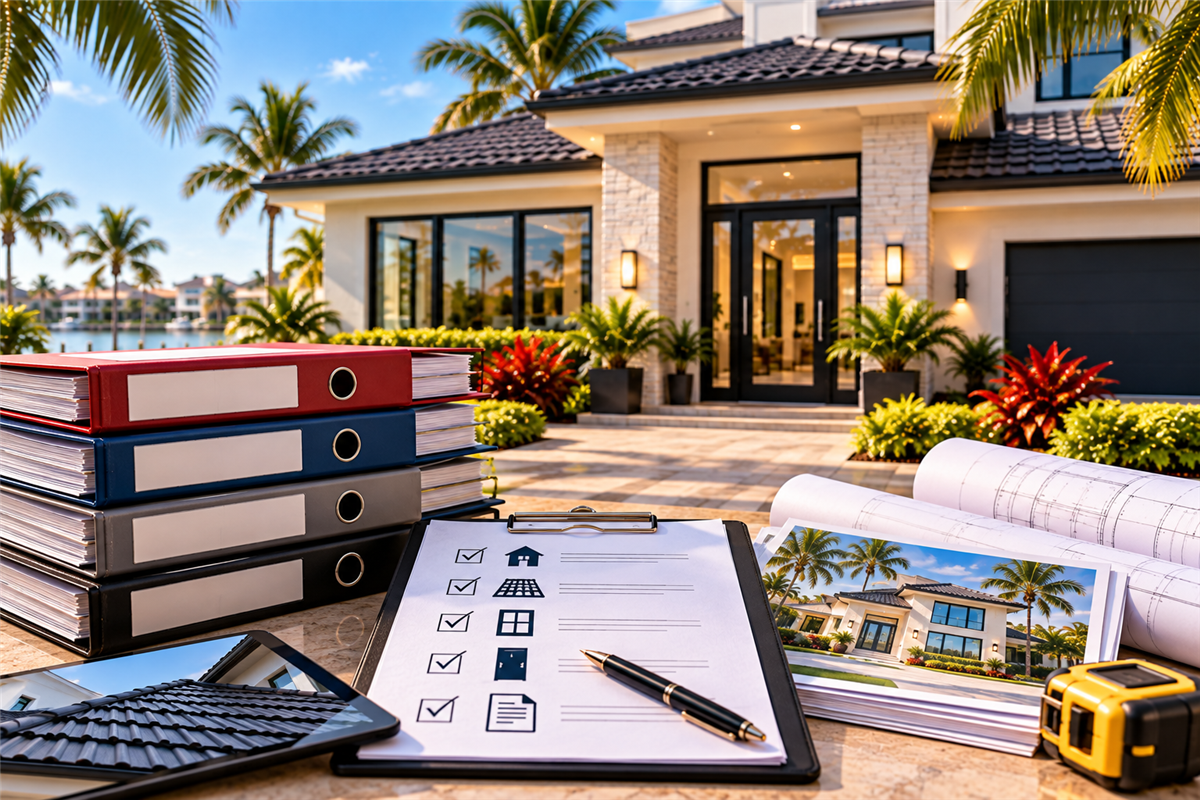
Coastal Impact Window Buying Checklist
- Identify the property's coastal exposure
- Compare vinyl and aluminum frame options
- Confirm manufacturer and product series
- Review available frame finishes
- Ask about coastal suitability
- Review hardware materials
- Review applicable product approvals
- Confirm appropriate design pressures
- Review glass configurations
- Ask about cleaning requirements
- Ask about hardware maintenance
- Read the manufacturer warranty
- Check for coastal warranty exclusions
- Review workmanship coverage
- Compare detailed written proposals
- Keep product and warranty documentation
- Follow the manufacturer's maintenance instructions
Frequently Asked Questions
Are impact windows suitable for homes near the ocean?
Impact windows can be suitable for coastal homes when the selected product and configuration meet the property's applicable requirements. Frame finishes, hardware, maintenance, and coastal warranty conditions should also be considered.
Is vinyl or aluminum better for coastal impact windows?
Both materials can be appropriate depending on the product and property. Vinyl frames are nonmetallic, while aluminum offers structural and architectural benefits. Compare the actual product specifications and warranty.
Can salt air damage aluminum window frames?
Saltwater exposure can contribute to corrosion of susceptible metal components, particularly when protective finishes are compromised. Product selection and proper maintenance are important.
Do vinyl impact windows rust?
The vinyl frame material itself does not rust like metal. However, vinyl window systems may contain metal components that can be affected by coastal exposure.
Are impact windows corrosion-proof?
No. Impact resistance does not guarantee that every component is immune to corrosion or environmental deterioration.
How often should coastal impact windows be cleaned?
Cleaning frequency depends on the manufacturer's instructions and the property's exposure conditions. Homes with heavier salt accumulation may need more frequent cleaning.
Does salt air affect sliding glass doors?
Yes. Salt residue, sand, and moisture can affect susceptible hardware and accumulate in sliding-door tracks. Follow the manufacturer's maintenance instructions.
Does a lifetime warranty cover salt-air corrosion?
Not necessarily. Warranty coverage depends on the manufacturer, product, component, and written terms. Review any exclusions or maintenance requirements involving coastal exposure.
Does Miami-Dade approval mean a window cannot corrode?
No. Product approval does not mean that frames, finishes, or hardware are immune to corrosion.
Does Statewide offer vinyl and aluminum impact windows?
Yes. Statewide Windows & Doors offers both vinyl and aluminum impact-window options for Florida homeowners.
Final Words
Florida's coastal environment makes impact-window selection especially important.
Hurricane protection is a major consideration, but homeowners should also think about long-term exposure to salt air, humidity, sunlight, and moisture.
Vinyl and aluminum frames offer different characteristics, and the best choice depends on the actual product, property, and project requirements.
Protective finishes, hardware materials, cleaning procedures, and warranty conditions should all be reviewed before purchasing.
By choosing appropriate impact-window products, understanding coastal maintenance requirements, and keeping accurate warranty records, Florida homeowners can make better-informed decisions about protecting and maintaining their investment.
Tags
Subscribe to Statewide Windows & Doors's Blog





Comments