 Free Estimate
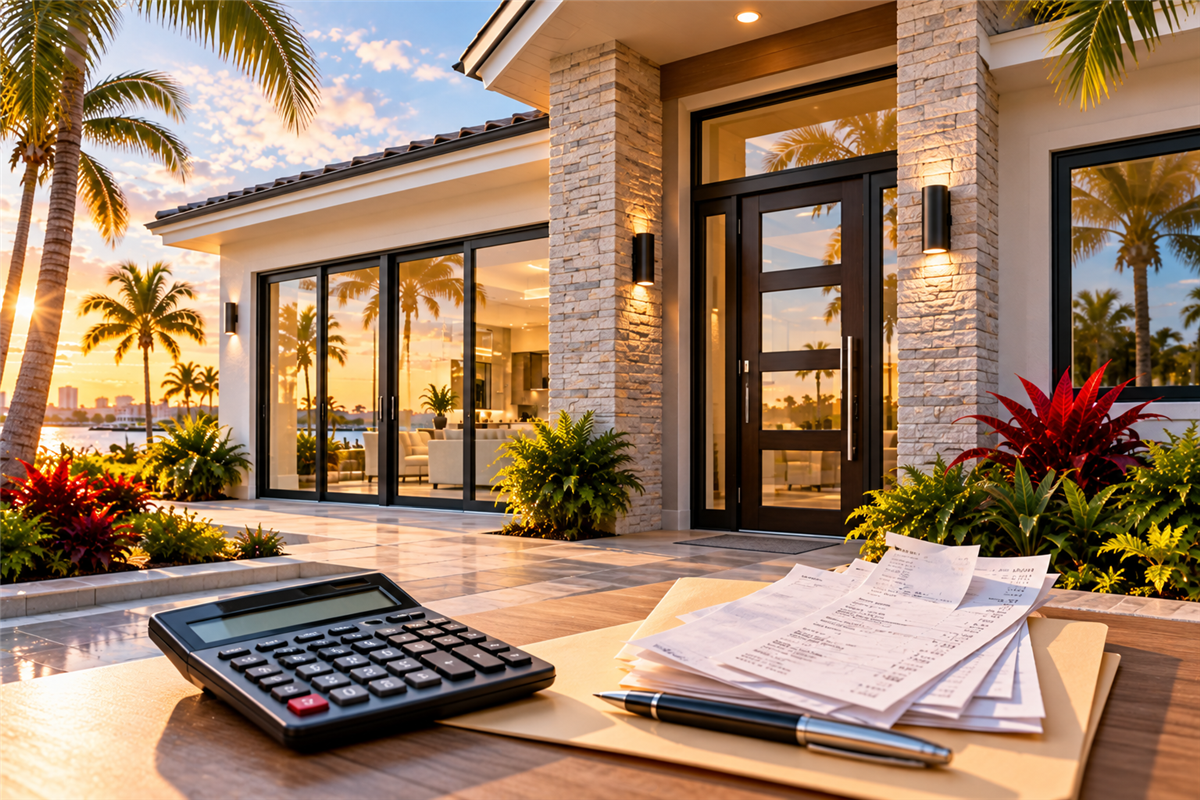
Florida homeowners purchasing impact-resistant windows and doors may be eligible for a state sales tax refund under Florida's current Home-Hardening Sales Tax Exemption.
The program began July 1, 2026, and applies to qualifying home-hardening products purchased at retail through June 30, 2029.
Unlike a typical sales tax holiday, however, eligible homeowners do not simply avoid paying the tax when the product is purchased.
The exemption is provided through a refund of previously paid Florida sales tax.
That distinction is important for Florida homeowners planning impact-window or impact-door projects.
This guide explains which products may qualify, which homes are eligible, the $500 refund limit, what receipts homeowners should keep, which forms are required, how contractor-purchased products are handled, and important deadlines homeowners should know.
What Is Florida's Home-Hardening Sales Tax Refund?
Florida created a sales tax exemption for certain qualifying home-hardening products installed on eligible residential property.
Qualifying products include:
- Impact-resistant windows
- Impact-resistant exterior doors
- Impact-resistant garage doors
The exemption applies to qualifying products purchased at retail between July 1, 2026 and June 30, 2029.
However, the homeowner receives the benefit through a refund after Florida sales tax has already been paid.
Is This a Point-of-Sale Sales Tax Exemption?
No.
This is one of the most important details homeowners should understand.
Under the current program, the exemption cannot be claimed at the point of sale.
Instead, the eligible property owner submits a refund claim to the Florida Department of Revenue for qualifying Florida sales tax that was previously paid.
That means homeowners should not assume that a contractor, retailer, or manufacturer will simply remove sales tax from a qualifying purchase.
When Does the Florida Home-Hardening Program Run?
There are two important time periods homeowners should know.
Qualifying Purchase Period
The qualifying retail purchase must occur between:
July 1, 2026 and June 30, 2029.
Refund Claim Period
Refund claims may be submitted between:
July 1, 2026 and September 30, 2029.
A qualifying purchase made before July 1, 2026 does not qualify under this program.
Which Home-Hardening Products Qualify?
Florida's program covers three primary categories of home-hardening products:
- Impact-resistant windows
- Impact-resistant exterior doors
- Impact-resistant garage doors
Products must meet the applicable impact-resistance and wind-pressure requirements established by the program.
A product should not be assumed to qualify simply because it is marketed using terms such as "storm window," "hurricane window," or "hurricane door."
Homeowners should verify the actual product specifications.
Do Impact Windows Qualify?
Yes, qualifying impact-resistant windows are included in Florida's Home-Hardening Sales Tax Exemption.
For purposes of the program, qualifying impact-resistant windows must meet specified impact-resistance and wind-pressure standards.
This is another reason homeowners should understand exactly which impact-window system is included in their project.
Statewide Windows & Doors homeowners can learn more about impact windows when comparing hurricane-protection options.
Do Impact Doors Qualify?
Yes, qualifying impact-resistant exterior door systems are included.
Depending on the product and project, this may include qualifying impact-resistant exterior door systems used for entrances and other exterior openings.
As with windows, the product must meet the applicable requirements rather than simply being advertised as a hurricane door.
Learn more about impact doors.
Do Impact-Resistant Garage Doors Qualify?
Yes.
Qualifying impact-resistant garage door systems are specifically included in the program.
Homeowners planning whole-home hurricane protection should remember that the garage door can represent a very large exterior opening.
What Testing Standards Can Apply to Qualifying Products?
The Florida Department of Revenue identifies specific testing methods and standards for qualifying impact-resistant products.
Depending on the product category, these can include standards such as:
- ASTM E1886
- ASTM E1996
- AAMA 506
- Florida Building Code Testing Application Standard TAS 201
- TAS 202
- TAS 203
Qualifying impact-resistant garage doors may also use an applicable ANSI/DASMA standard identified by the state.
Homeowners generally do not need to become product-testing experts, but they should make sure the products being purchased actually qualify under the program.
Who Can Claim the Home-Hardening Sales Tax Refund?
The exemption is available only to the owner of the eligible residential property where the qualifying products were installed.
For purposes of the program, the owner is the person holding legal title to the eligible residential property.
This means the refund is tied to both the property and its owner rather than simply to whoever purchases a window or door.
What Is an Eligible Residential Property?
Under the current Florida program, eligible residential property must have a site-built dwelling and must meet specific eligibility requirements.
The property must:
- Have been granted a Florida homestead exemption under the applicable state law
- Have a just value of $700,000 or less
- Contain a qualifying site-built dwelling
Homeowners should verify their property's eligibility before assuming they will receive a refund.
What Does "Just Value of $700,000 or Less" Mean?
The program uses the property's just value as part of its eligibility requirements.
This should not automatically be confused with:
- The price you originally paid for the home
- Your remaining mortgage balance
- An online home-value estimate
- A real estate agent's suggested listing price
If you are unsure whether your property satisfies the requirement, verify the applicable property information before filing a claim.
Does the Home Need a Homestead Exemption?
Yes.
The current program defines eligible residential property as qualifying site-built residential property for which a Florida homestead exemption has been granted.
A homeowner should not assume that every residential property automatically qualifies simply because it is located in Florida.
Do Second Homes or Investment Properties Automatically Qualify?
No.
Because the program includes a homestead-exemption requirement, homeowners should not assume that vacation homes, second homes, rentals, or investment properties qualify.
Eligibility should be evaluated using the state's current requirements for the specific property.
Do Mobile Homes or Manufactured Homes Qualify?
The current program excludes certain properties.
Florida sales tax paid on qualifying-type products installed on mobile homes, manufactured homes, trailers, or homes or trailers that may be titled or registered under the applicable Florida motor vehicle statutes is not eligible for this refund.
The program defines a site-built dwelling as a dwelling constructed at its permanent location.
How Much Can a Florida Homeowner Receive?
The total refund available under the current Home-Hardening Sales Tax Exemption is limited to:
Up to $500.
The refund applies to previously paid qualifying Florida sales tax, including applicable discretionary sales surtax.
The $500 figure is a maximum refund, not a guaranteed payment.
The actual amount depends on qualifying tax that was paid and the homeowner's eligibility.
Can You Claim the Refund for More Than One Property?
No.
Under the current program, an owner may submit a refund claim for only one eligible residential property.
This is another reason homeowners with multiple properties should review the program requirements carefully before filing.
What Forms Are Required?
The Florida Department of Revenue identifies two forms that eligible homeowners must submit as part of the Home-Hardening refund process:
- Form DR-26S — Sales and Use Tax - Application for Refund
- Form DR-26HH — Home Hardening Products - Sales Tax Refund
Supporting documentation is also required.
What Is Form DR-26HH?
Form DR-26HH is the Florida Department of Revenue form specifically associated with the Home Hardening Products Sales Tax Refund.
Homeowners should use the current version of the form provided by the Florida Department of Revenue rather than relying on an unofficial copy found elsewhere online.
What Is Form DR-26S?
Form DR-26S is Florida's Sales and Use Tax Application for Refund.
For a Home-Hardening refund claim, the Department instructs homeowners to submit the applicable DR-26S along with DR-26HH and the required supporting documentation.
What Documents Should Homeowners Keep?
Documentation is extremely important.
Homeowners should retain records associated with qualifying products and the tax paid on them.
The Florida Department of Revenue requires copies of receipts showing payment of Florida sales tax on qualifying retail purchases.
Depending on how the project is structured, useful records may include:
- Purchase receipts
- Invoices
- Product information
- Contracts
- Records showing Florida sales tax paid
- Documentation identifying the products installed
- Applicable contractor purchase receipts when required
Do not wait until years after the project to begin looking for documentation.
Why the Sales Tax Receipt Matters
The refund is based on previously paid Florida sales tax.
Therefore, documentation showing that tax was actually paid is a critical part of the claim.
A proposal showing only the total project price may not provide the same information as the documentation required by the Department.
Homeowners planning a qualifying project should understand what documentation will be available before the project is complete.
What If the Homeowner Buys the Impact Windows Directly?
The Florida Department of Revenue provides an example involving a homeowner purchasing impact-resistant windows from a window retailer and separately hiring a licensed contractor to install them.
In that situation, the retail purchase is subject to Florida sales tax.
For the refund claim, the homeowner would need documentation showing payment of Florida sales tax on the qualifying retail purchase.
What If the Homeowner Buys an Impact Door Directly?
The state also provides an example involving an eligible homeowner purchasing an impact-resistant front door from a home-improvement retailer and planning to install it personally.
Because the door is purchased at retail, Florida sales tax is charged.
The receipt showing the tax paid becomes important supporting documentation for the refund claim.
What If a Contractor Purchases the Impact Windows?
This is especially important for homeowners using a professional window contractor.
The Florida Department of Revenue confirms that an eligible property owner may still obtain the refund when the contractor made the qualifying retail purchase.
However, the homeowner's refund application must include a receipt showing payment of Florida sales tax on the contractor's qualifying retail purchase.
Homeowners should discuss documentation with their contractor instead of assuming that a normal project invoice will automatically contain everything needed for the state refund.
What About a Lump-Sum Window Installation Contract?
The Florida Department of Revenue specifically addresses this type of project.
For example, a homeowner may enter into an agreement with a window contractor to furnish and install impact-resistant windows for one lump-sum project price.
Under the state's example, this type of transaction can be treated as a real-property improvement rather than a retail sale of the windows directly from the contractor to the homeowner.
The contractor may purchase the windows from a manufacturer and pay Florida sales tax on that purchase.
For an eligible homeowner to obtain the Home-Hardening refund, the required documentation can therefore involve the receipt showing the contractor's payment of Florida sales tax on the qualifying products.
Does Installation Labor Qualify for the Refund?
The Home-Hardening program is focused on qualifying products and previously paid Florida sales tax associated with qualifying retail purchases.
Homeowners should not assume that the entire value of an installation contract is eligible for a tax refund.
The actual refund is based on qualifying Florida sales tax and remains subject to the program's $500 maximum.
Can You Get $500 Back Just for Installing Impact Windows?
Not automatically.
The program does not promise every impact-window customer a $500 payment.
To receive a refund, the property owner and property must qualify, the product must qualify, the retail purchase must occur during the eligible period, Florida sales tax must have been paid, and the required refund claim and documentation must be submitted.
The refund also cannot exceed the amount of qualifying tax eligible for refund or the program's $500 maximum.
Does a Purchase Made Before July 1, 2026 Qualify?
No.
According to the Florida Department of Revenue, a qualifying retail purchase must occur during the official purchase period:
July 1, 2026 through June 30, 2029.
A qualifying-type product purchased before July 1, 2026 does not become eligible simply because it is installed after that date.
Do You Have to Wait Until 2029 to File?
No.
The refund claim period began July 1, 2026.
Eligible homeowners can submit claims during the program's filing period rather than waiting until the program ends.
The final deadline identified by the state is September 30, 2029.
How to Apply for the Florida Home-Hardening Sales Tax Refund
Although homeowners should always review the latest Florida Department of Revenue instructions before submitting a claim, the current process generally involves the following steps:
- Confirm that the property meets the eligibility requirements.
- Confirm that the home-hardening products qualify.
- Verify that the retail purchase occurred during the qualifying purchase period.
- Gather receipts showing payment of Florida sales tax on the qualifying products.
- Complete Form DR-26S.
- Complete Form DR-26HH.
- Include the required supporting documentation.
- Submit the refund claim to the Florida Department of Revenue within the filing period.
- Keep copies of the forms, receipts, and supporting records for your files.
Can Form DR-26S Be Filed Online?
The Florida Department of Revenue provides an online option for Form DR-26S.
The Department also provides the Home Hardening Products Sales Tax Refund form and instructions through its official forms and publications resources.
Homeowners should use official Florida Department of Revenue resources when preparing the claim.
Common Home-Hardening Refund Mistakes to Avoid
Assuming the Tax Comes Off at Checkout
The current exemption is provided through a refund. It cannot be claimed as a point-of-sale exemption.
Assuming Every Florida Home Qualifies
The property must satisfy the program's eligibility requirements, including the homestead, site-built dwelling, and just-value requirements.
Throwing Away Receipts
Receipts showing Florida sales tax paid on qualifying products are important supporting documentation.
Assuming Every "Hurricane Window" Qualifies
The program defines qualifying impact-resistant products using specific performance standards.
Assuming Every Applicant Gets $500
The $500 amount is a maximum refund, not a guaranteed payment.
Missing the Purchase Period
Qualifying retail purchases must occur from July 1, 2026 through June 30, 2029.
Missing the Filing Deadline
The current refund claim period ends September 30, 2029.
Forgetting About Contractor Purchase Documentation
When a contractor purchases qualifying products at retail, the owner's claim may require the receipt showing the contractor's payment of Florida sales tax.
Questions to Ask Your Impact Window Contractor
If you are considering an impact-window or impact-door project during the program period, consider asking:
- What exact impact products are included in my project?
- Do these products meet the applicable impact-resistance requirements?
- Who purchases the windows or doors?
- Who pays the Florida sales tax on the qualifying products?
- What documentation showing the tax paid will be available?
- Can I receive the documentation needed for a potential DR-26HH claim?
- What product information will I receive after installation?
- What permits and inspections apply to my project?
The contractor should not promise that the Florida Department of Revenue will approve a particular homeowner's refund claim.
Final eligibility and refund decisions belong to the applicable state authorities.
Is This the Same as My Safe Florida Home?
No.
Florida's Home-Hardening Sales Tax Refund and the My Safe Florida Home program are separate programs with different purposes, rules, eligibility requirements, funding structures, and application processes.
Homeowners should not assume that qualifying for one program automatically means they qualify for another.
When researching Florida hurricane-protection programs, always identify which specific program's requirements you are reading.
Is This the Same as an Insurance Wind-Mitigation Discount?
No.
The Home-Hardening Sales Tax Refund is a Florida tax program.
Wind-mitigation inspections and potential homeowners-insurance credits involve a separate process.
Installing impact-resistant windows or doors does not guarantee a particular insurance discount or premium reduction.
Insurance eligibility and potential savings depend on the property, insurer, policy, inspection, documentation, protection of other openings, and other factors.
Should You Buy Impact Windows Just for the Tax Refund?
The potential refund should generally be viewed as one factor in a much larger home-improvement decision.
Impact-window projects can involve substantial product and installation costs, while the current state tax refund is capped at $500.
Homeowners should evaluate impact windows based on broader considerations such as:
- Hurricane protection
- Condition of existing windows
- Product quality
- Glass options
- Frame material
- Home security
- Natural light
- Noise considerations
- Energy-performance options
- Warranty
- Installation quality
- Budget
A tax incentive can be useful, but it should not replace careful product and contractor research.
Planning an Impact Window Project During the Refund Period
If you are already considering impact windows or doors between 2026 and 2029, it may be helpful to think about the tax-refund documentation before installation rather than afterward.
A simple planning checklist can include:
- Confirm whether your property appears to meet the state's eligibility requirements.
- Choose qualifying impact-resistant products appropriate for your home.
- Verify the contractor responsible for the project.
- Understand how the products will be purchased.
- Ask what documentation will show Florida sales tax paid.
- Keep your contract and product information.
- Keep copies of applicable receipts.
- Complete the required state forms.
- Submit the claim before the state deadline.
Impact Windows and Doors From Statewide Windows & Doors
Statewide Windows & Doors helps Florida homeowners evaluate impact-resistant windows and doors based on their home's openings, location, project requirements, and goals.
Statewide offers both impact windows and impact doors for Florida homes.
Homeowners can also explore impact sliding glass doors when planning protection for larger patio, pool, balcony, or waterfront openings.
Why Choose Statewide Windows & Doors?
Statewide Windows & Doors brings more than 25 years of combined industry experience to Florida window and door projects.
Statewide helps homeowners navigate important parts of an impact-window or impact-door project, including:
- Product selection
- Measurements
- Project planning
- Permitting
- Installation
- Inspections
- Project completion
- Post-installation service
Homeowners can review completed projects, explore Statewide service areas, or contact Statewide Windows & Doors to discuss an impact-window or impact-door project.
Frequently Asked Questions
How much is Florida's home-hardening sales tax refund?
The current program allows a total refund of up to $500 for one eligible residential property. The actual refund depends on qualifying Florida sales tax paid and the homeowner's eligibility.
When does the Florida home-hardening refund program end?
The qualifying retail purchase period ends June 30, 2029. Refund claims must be submitted no later than September 30, 2029 under the current program.
Do impact windows qualify for the Florida sales tax refund?
Qualifying impact-resistant windows are included. The products must meet the applicable requirements established by the program.
Do impact doors qualify?
Yes. Qualifying impact-resistant exterior door systems are included.
Do garage doors qualify?
Qualifying impact-resistant garage door systems are included in the program.
Do I need to own the home?
Yes. The exemption is available to the owner of the eligible residential property where the qualifying products are installed.
Does my home need a homestead exemption?
Yes. A Florida homestead exemption is part of the current definition of eligible residential property.
What is the maximum home value allowed?
Under the current program, eligible residential property must have a just value of $700,000 or less.
Can I get the sales tax exemption when I buy the windows?
No. The current exemption is not claimed at the point of sale. It is provided through a refund of qualifying Florida sales tax previously paid.
Which forms do I need?
The Florida Department of Revenue currently requires Form DR-26S and Form DR-26HH, along with the required supporting documentation.
What if my contractor purchased the windows?
An eligible property owner may still qualify, but the refund application must include appropriate documentation showing Florida sales tax paid on the contractor's qualifying retail purchase.
Does Statewide guarantee that my refund will be approved?
No contractor should guarantee approval of a state tax refund. Homeowners should review the current Florida Department of Revenue requirements and submit the required documentation. Final eligibility and refund decisions are made under the state's program rules.
Final Words
Florida's 2026-2029 Home-Hardening Sales Tax Exemption can provide an additional financial benefit for certain homeowners who are already investing in qualifying impact-resistant windows, exterior doors, or garage doors.
But homeowners should understand how the program actually works.
It is a refund program, not a point-of-sale tax exemption. The property and owner must qualify. The products must qualify. The purchase must occur during the eligible period. Documentation showing Florida sales tax paid is important, and the total refund is capped at $500.
If you are planning an impact-window or impact-door project during the program period, organize the documentation early and review the latest Florida Department of Revenue requirements before filing.
Doing so can help prevent a missing receipt, incorrect assumption, or missed deadline from becoming a problem after the project is complete.
Tags
Subscribe to Statewide Windows & Doors's Blog



Comments