 Free Estimate
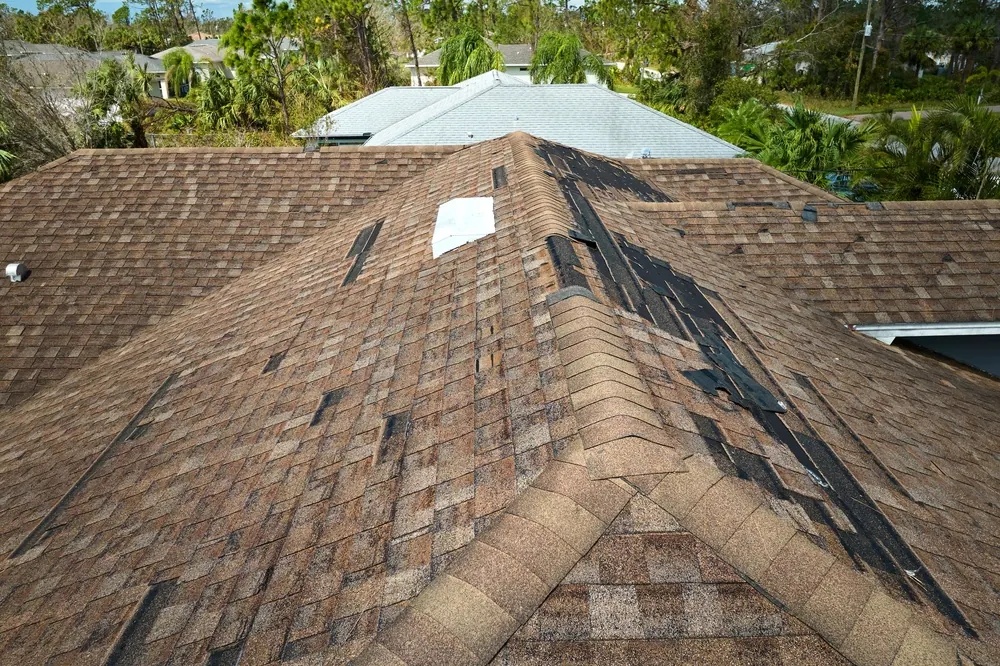
How Hurricanes Damage Roofs (And How to Prevent It)
Hurricanes are one of the biggest threats to homes in South Florida, and your roof is often the first line of defense. High winds, heavy rain, and flying debris can all cause serious damage if your roof is not properly prepared.
Understanding how hurricanes damage roofs—and how to prevent it—can help homeowners protect their property and reduce costly repairs.
How Hurricanes Damage Roofs
Hurricanes impact roofs in several ways, often combining multiple forces at once.
1. High Winds
Strong hurricane winds can:
Lift shingles or tiles
Tear off roofing materials
Create openings that expose the home
Once the roof is compromised, additional damage can happen quickly.
2. Wind Uplift Pressure
As wind moves over a roof, it creates pressure that can pull materials upward.
This can lead to:
Loose or missing shingles
Detached roof sections
Structural damage in severe cases
Proper installation and secure fastening are critical to resisting uplift.
3. Flying Debris
Debris carried by hurricane winds can strike the roof with force.
This can cause:
Cracks in tiles
Punctures in roofing materials
Damage to protective layers
Even small debris can lead to long-term issues if not addressed.
4. Heavy Rain and Water Intrusion
Hurricanes bring intense rainfall that can exploit weak areas in a roof.
Common problems include:
Leaks through damaged sections
Water seeping under materials
Interior damage to ceilings and walls
Once water enters the home, repairs can become more extensive.
5. Poor Roof Condition
Older or poorly maintained roofs are more vulnerable during a storm.
Issues such as:
Worn materials
Loose components
Previous damage
can increase the risk of failure during a hurricane.
How to Prevent Hurricane Roof Damage
While hurricanes cannot be avoided, there are steps homeowners can take to reduce the risk of roof damage.
1. Regular Roof Inspections
Routine inspections can help identify problems before a storm.
Homeowners should look for:
Loose or damaged materials
Signs of wear
Areas that may need repair
Addressing small issues early can prevent larger problems later.
2. Proper Installation
A properly installed roof is essential for hurricane protection.
This includes:
Secure fastening of materials
Correct underlayment installation
Compliance with Florida building codes
Professional installation helps ensure the roof performs as intended.
3. Upgrading Roofing Materials
Some materials perform better in hurricane conditions than others.
Homeowners may consider:
Reinforced roofing components
Choosing stronger materials can improve overall protection.
4. Maintaining Gutters and Drainage
Proper drainage helps prevent water buildup on the roof.
This includes:
Keeping gutters clean
Ensuring water flows away from the roof
Preventing pooling during heavy rain
Good drainage reduces the risk of leaks and water damage.
5. Replacing Older Roofs
If a roof is nearing the end of its lifespan, replacement may be the best option.
A new roof can provide:
Improved storm resistance
Better materials and technology
Increased protection during hurricanes
Choosing the Right Company
Selecting the right company is critical when repairing or replacing a roof.
At Statewide Windows and Doors, roofing systems are designed to meet Florida’s strict building codes while providing durability and long-term performance.
Professional installation helps ensure your roof is prepared for South Florida’s hurricane conditions.
Bottom Line
Hurricanes can cause significant roof damage, but understanding the risks and taking preventative steps can make a major difference.
The most important things homeowners can do are:
Maintain their roof regularly
Address damage early
Ensure proper installation
Use durable materials
At Statewide Windows and Doors, homeowners can explore roofing solutions designed to provide long-term protection and peace of mind in South Florida.
Subscribe to Statewide Windows & Doors's Blog





Comments