 Free Estimate
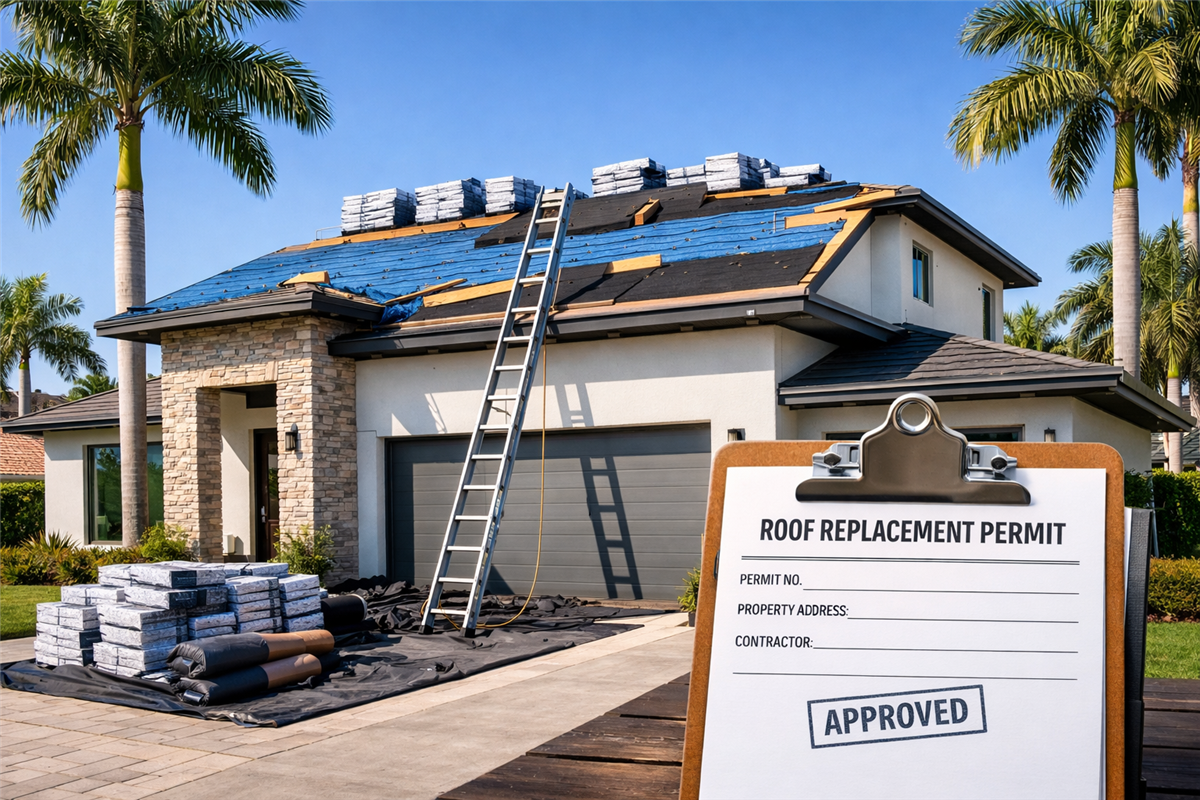
Do You Need a Permit for Roof Replacement in Florida?
If you're planning to replace your roof in Florida—especially in South Florida—you may be wondering: Do I need a permit?
The answer is yes—roof replacement almost always requires a permit in Florida. Due to hurricanes and extreme weather, roofing projects are strictly regulated to ensure homes meet safety and structural standards.
If you're upgrading your home along with improvements like impact windows, understanding roofing permit requirements is essential for staying compliant and protected.
Why Roof Replacement Requires a Permit
Your roof is your home’s first line of defense against storms. Florida building codes require permits to ensure:
- The roof meets wind resistance requirements
- Proper materials and installation methods are used
- The structure can withstand hurricane conditions
Permits help protect both your home and your investment.
When a Permit Is Required
You will need a permit for most roofing projects, including:
- Full roof replacement
- Re-roofing (adding a new layer)
- Structural repairs to the roof deck
- Changing roofing materials (e.g., shingle to tile)
In Florida, nearly all major roofing work requires a permit.
Are There Any Exceptions?
Minor repairs—such as fixing a small leak or replacing a few shingles—may not require a permit.
However, once the work involves a significant portion of the roof or structural components, a permit is required.
Local regulations can vary slightly, so it’s always best to confirm with your city or county.
What Happens During the Permit Process?
The roofing permit process typically includes:
- Submitting an application to your local building department
- Providing details about materials and installation methods
- Scheduling inspections during and after the project
Once approved, the roofing work can begin legally.
Who Is Responsible for the Permit?
In most cases, your roofing contractor will handle the permit process.
A licensed contractor will:
- Pull the permit on your behalf
- Submit required documentation
- Coordinate inspections
Important: If a contractor asks you to pull the permit yourself, that’s often a red flag.
Why Permits Matter More Than You Think
1. Code Compliance
Ensures your roof meets Florida’s strict hurricane standards.
2. Insurance Requirements
Permitted work may be necessary for coverage and claims.
3. Home Resale
Unpermitted roofing work can delay or complicate selling your home.
4. Safety and Structural Integrity
Proper installation helps prevent roof failure during storms.
What Happens If You Replace a Roof Without a Permit?
Skipping the permit process can lead to serious issues:
- Fines and penalties
- Failed inspections
- Insurance claim problems
- Mandatory removal and reinstallation
In some cases, the cost of fixing unpermitted work can exceed the original project cost.
What Most Homeowners Don’t Realize
Florida has strict “25% rule” requirements
If more than 25% of your roof is damaged, you may be required to bring the entire roof up to current code.
Material approval matters
Roofing materials must meet Florida Product Approval or Miami-Dade standards.
Inspections are critical
Your roof must pass multiple inspections before the permit is closed.
Why Professional Roofing Contractors Are Essential
Working with experienced professionals ensures:
- Permits are handled correctly
- Installation meets Florida building codes
- Inspections are passed without delays
This is especially important in High-Velocity Hurricane Zones (HVHZ).
What This Means for Your Home
In Florida, roof replacement isn’t just a home improvement—it’s a regulated project tied directly to your home’s safety.
In most cases, you will need a permit for roof replacement. Working with a licensed contractor ensures everything is done properly, legally, and up to code.
By following the permit process, you’re not just staying compliant—you’re making sure your home is built to withstand Florida’s toughest weather conditions.
Subscribe to Statewide Windows & Doors's Blog








Comments