 Free Estimate

How to Hurricane-Proof Your Home
If you live in South Florida, preparing for hurricane season is part of homeownership. Strong winds, heavy rain, and flying debris can cause serious damage—but the right upgrades can dramatically reduce your risk.
Hurricane-proofing your home is not just about reacting to storms. It is about building long-term protection, improving safety, and avoiding costly repairs.
Quick Answer: How Do You Hurricane-Proof a Home?
The most effective steps include:
- Installing impact windows and doors
- Reinforcing your roof
- Strengthening entry points
- Securing outdoor items
- Improving drainage
When combined, these upgrades significantly improve your home’s ability to withstand severe weather.
Why This Matters in South Florida
Homes in South Florida are exposed to:
- Hurricane-force winds
- Flying debris
- Heavy rainfall and flooding
- High humidity and heat
Without proper protection, even minor vulnerabilities can lead to major structural damage during a storm.
1. Install Impact Windows and Doors
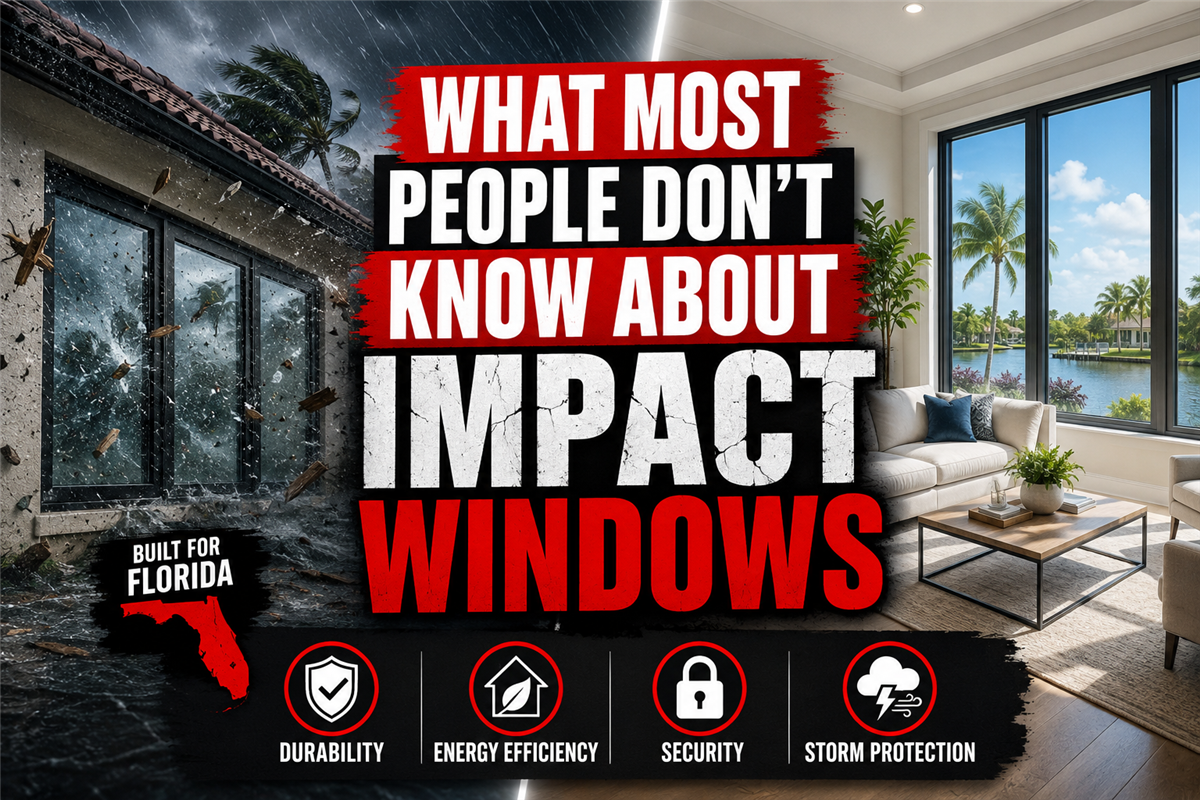
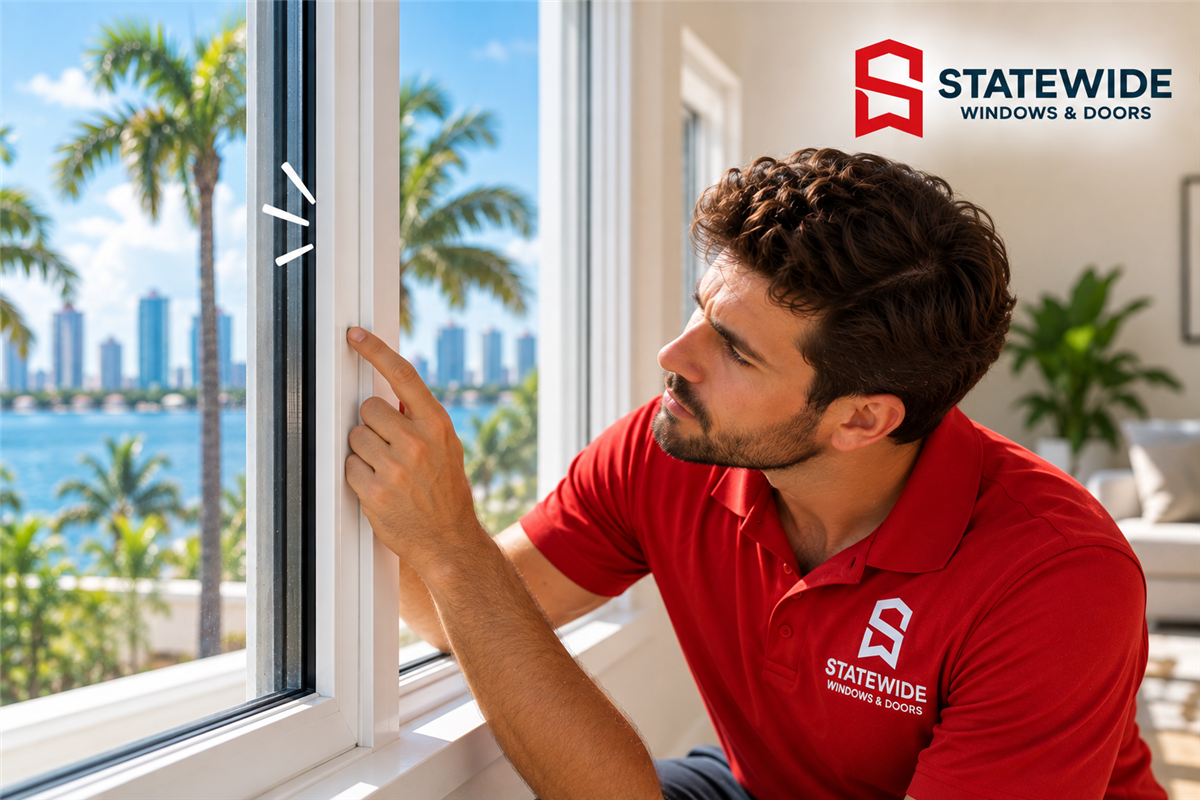
One of the most effective upgrades is installing impact windows and impact doors.
These systems are built with laminated glass that can withstand debris impact. Even if the glass cracks, it stays intact instead of shattering.
Key benefit: year-round protection without needing to install shutters before every storm.
2. Reinforce Your Roof
Your roof is one of the most vulnerable parts of your home during a hurricane.
To strengthen it:
- Inspect for loose tiles or shingles
- Reinforce roof connections and straps
- Replace aging or damaged materials
Why it matters: a strong roof helps prevent wind uplift and major structural damage.
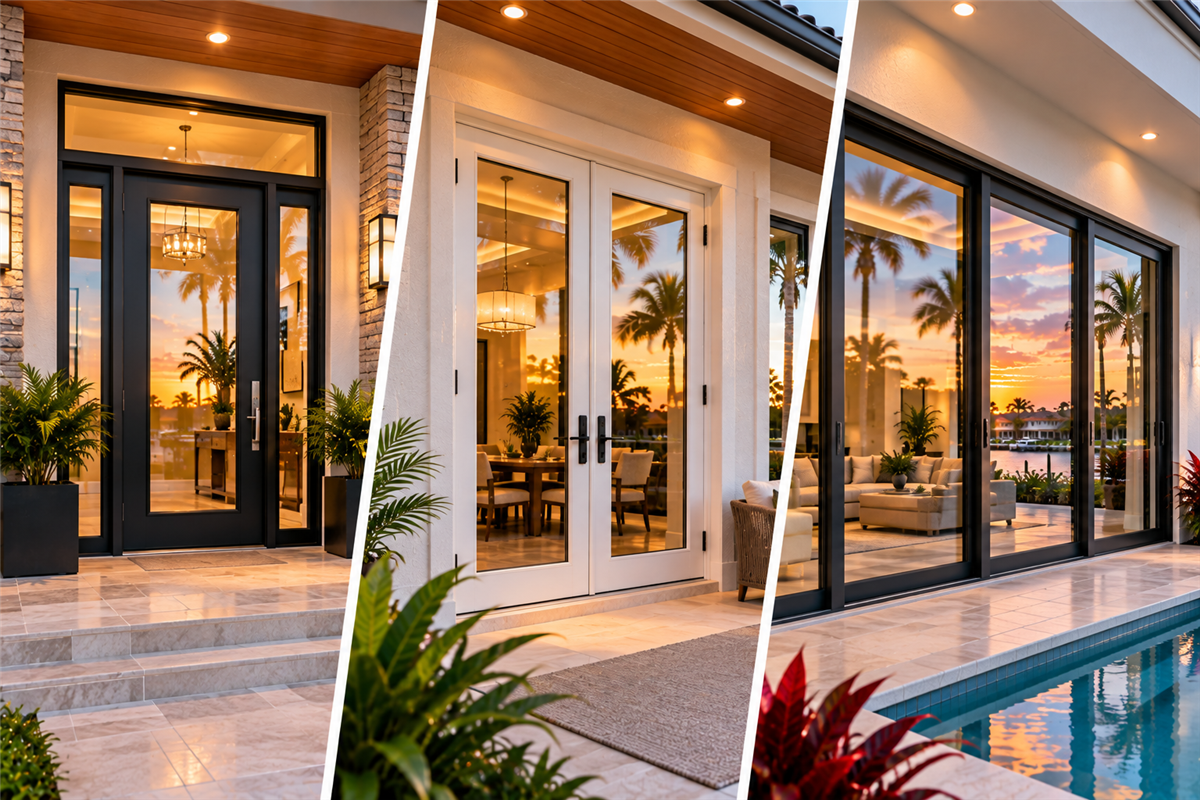
3. Strengthen Doors and Entry Points
Exterior doors must be able to withstand strong wind pressure.
Upgrading to reinforced or hurricane-rated doors helps:
- Prevent structural failure
- Keep wind and rain out
- Maintain internal pressure balance
Garage doors should also be reinforced, as large openings are especially vulnerable.
4. Secure Outdoor Items
Loose items can become dangerous projectiles during a storm.
Before a hurricane, secure or store:
- Patio furniture
- Grills
- Potted plants
- Trash bins
- Outdoor decorations
Simple step, big impact: reducing debris helps prevent damage to your home.
5. Install Shutters or Upgrade to Impact Protection
If your home does not yet have impact windows, hurricane shutters can provide temporary protection.
However, shutters must be installed before each storm. Many homeowners upgrade to impact windows for continuous, maintenance-free protection.
6. Improve Drainage Around Your Home
Heavy rain can lead to flooding if water is not properly directed away from your home.
To improve drainage:
- Clean gutters and downspouts
- Ensure proper yard grading
- Install drainage systems if needed
Goal: reduce water intrusion and protect your foundation.
7. Have an Emergency Plan Ready
Preparation is just as important as physical upgrades.
Make sure you:
- Keep emergency supplies ready
- Monitor weather alerts
- Know evacuation routes
Planning ahead helps keep your household safe during severe storms.
What Most Homeowners Overlook
Small weaknesses can lead to major damage
A single broken window or weak door can allow pressure inside and cause serious structural issues.
Preparation should happen before storm season
Waiting until a storm is approaching limits your options and increases risk.
Upgrades improve long-term home value
Hurricane protection features are highly desirable in South Florida real estate.
Bottom Line
Hurricane-proofing your home is about combining strong materials with smart preparation.
By upgrading key areas like windows, doors, and roofing—and preparing your property ahead of time—you can significantly reduce storm damage and protect your home.
For many homeowners, investing in impact-resistant systems is one of the most effective ways to gain long-term protection and peace of mind.
Subscribe to Statewide Windows & Doors's Blog




Comments