 Free Estimate
Common Window Problems in South Florida Homes
If you live in South Florida, your windows deal with a lot more stress than in most parts of the country. Between intense sun, constant humidity, heavy rain, and hurricane threats, it is normal for windows to wear down faster over time.
The problem is that many of these issues start small and go unnoticed—until they begin affecting comfort, energy bills, or even storm protection.
Understanding the most common window problems can help you catch issues early and decide when it makes sense to repair or replace your windows.
Quick Answer: What Are the Most Common Window Issues?
The most common window problems in South Florida homes include:
- Air leaks and drafts
- Condensation between glass panes
- Warped or damaged frames
- Windows that are hard to open or close
- Water leaks during heavy rain
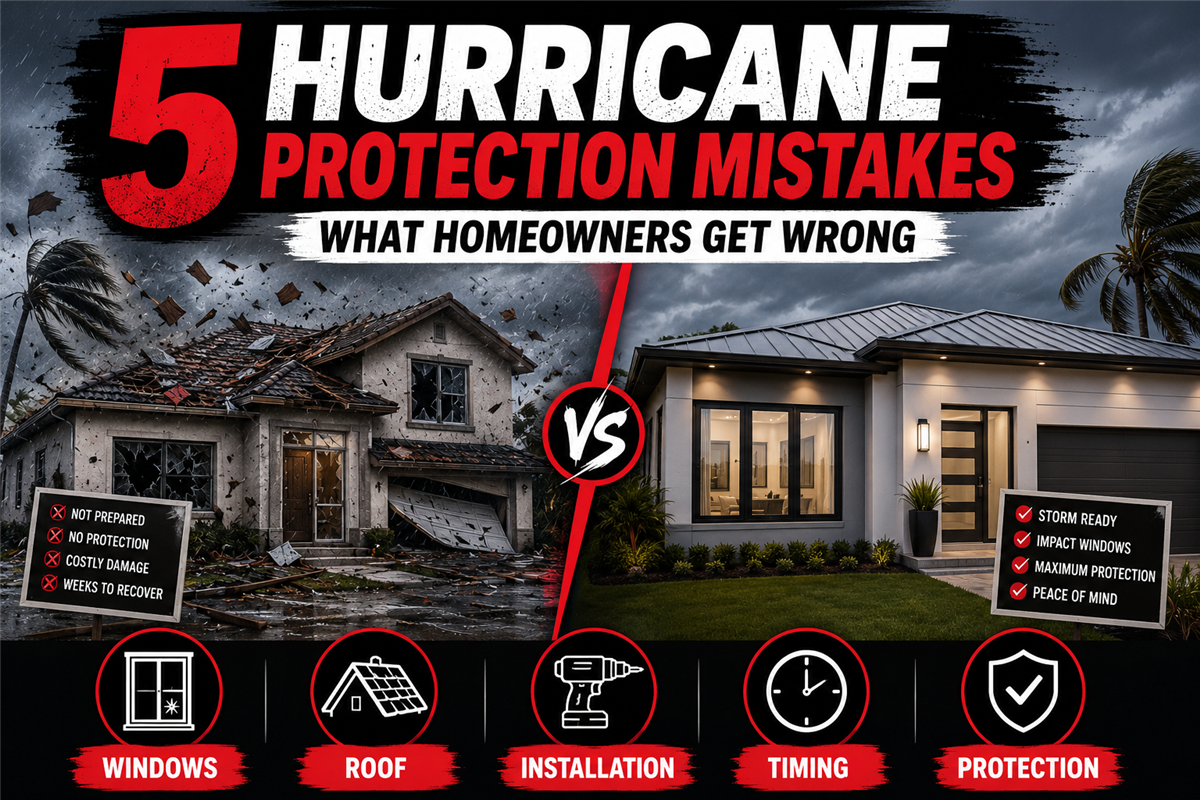
- Poor hurricane protection
In most cases, these problems are tied to age, installation quality, or materials that are not holding up well in Florida’s climate.
Why Window Problems Are More Common in South Florida
Windows in South Florida are exposed to conditions that accelerate wear and tear, including:
- Strong UV exposure year-round
- High humidity and moisture
- Frequent heavy rainstorms
- Hurricane-force winds and pressure changes
Because of this, issues that might take decades to appear in other regions can show up much sooner here.
Air Leaks and Drafts
One of the first signs of window failure is air leaking around the frame. Over time, seals and weatherstripping break down, allowing outside air and humidity to enter the home.
This can lead to:
- Higher energy bills
- Uneven room temperatures
- Increased indoor humidity
What this means: your air conditioning system has to work harder, which increases energy costs and reduces comfort.
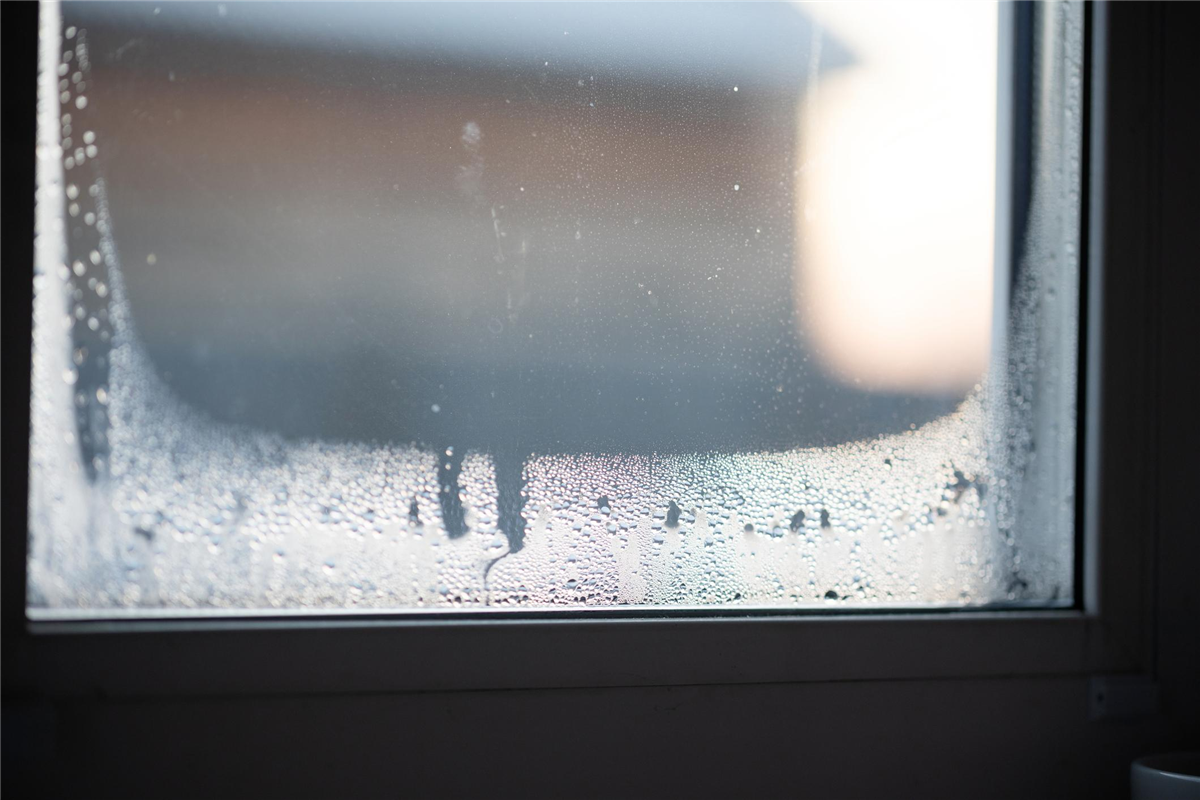
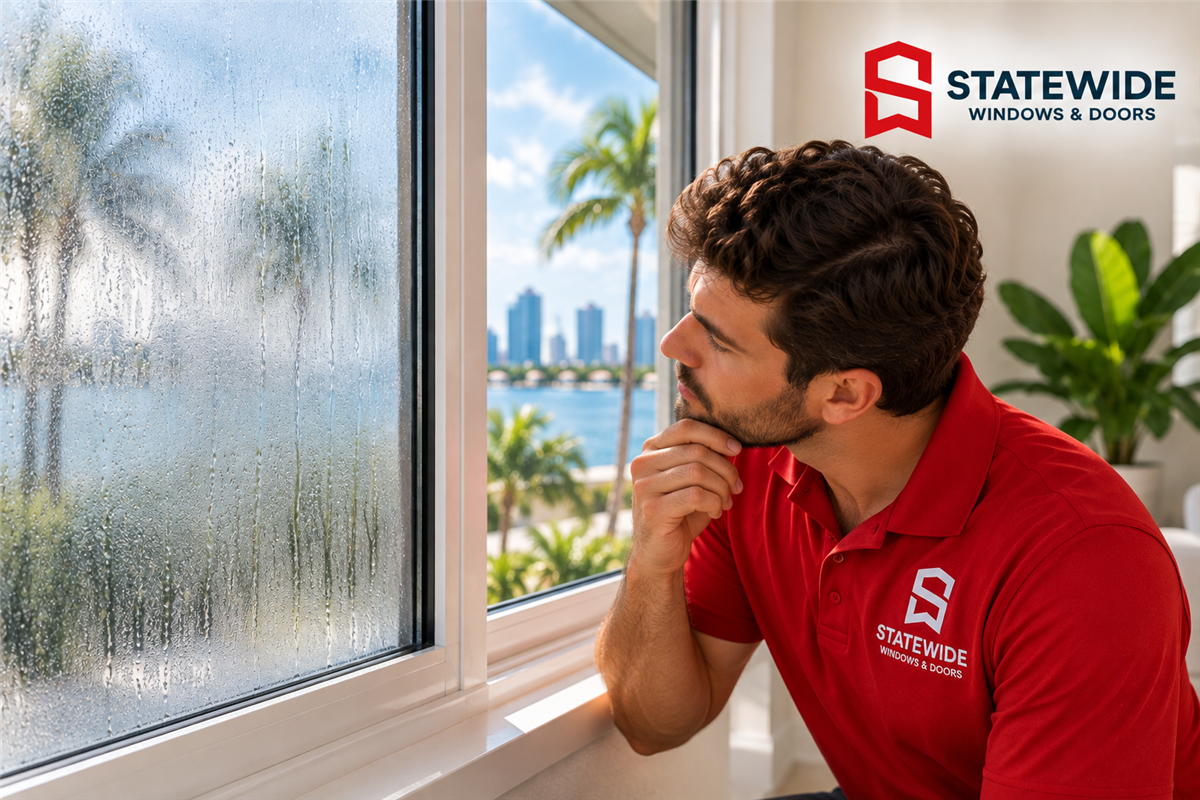
Condensation Between Glass Panes
If you see fog or moisture trapped between glass panes, it usually means the seal has failed.
Once that happens:
- The insulating gas escapes
- The window loses efficiency
- The glass appearance becomes permanently cloudy
Reality check: this is not a cosmetic issue—it is a sign the window is no longer insulating properly.
Warped or Damaged Frames
Humidity and heat can cause window frames to expand, warp, or deteriorate over time.
Common problems include:
- Rotting wood frames
- Swelling from moisture
- Cracking or structural weakening
Warped frames can prevent windows from sealing correctly, which leads to air leaks, water intrusion, and reduced performance.
Difficulty Opening or Closing Windows
If your windows stick, jam, or will not stay open, it is usually a sign of aging components or frame distortion.
This can be caused by:
- Warped frames
- Worn-out hardware
- Dirt and debris buildup
- Long-term wear and tear
Why it matters: this is not just inconvenient—it can become a safety issue during emergencies.
Water Leaks During Heavy Rain
South Florida storms can expose weak seals or poor installation quickly.
When windows leak, it can lead to:
- Interior wall damage
- Flooring issues
- Mold or mildew growth
Important: water intrusion is often a sign of installation problems or failed sealing—not just aging windows.
Poor Hurricane Protection
Older windows are often not designed for hurricane conditions.
During a storm, broken windows can allow wind to enter the home, which may cause:
- Internal pressure buildup
- Roof or structural damage
- Severe interior damage
This is why many homeowners upgrade to impact-resistant windows designed to meet Florida building codes.
Increased Outside Noise
Older or single-pane windows do little to block outside sound.
This becomes noticeable in areas near:
- Busy roads
- Construction zones
- Airports
Modern insulated windows with laminated glass help reduce noise and improve indoor comfort.
UV Damage to Interior Materials
South Florida sunlight is strong enough to damage interior finishes over time.
Without proper protection, UV rays can cause:
- Faded furniture
- Discolored flooring
- Damaged fabrics and artwork
Modern windows with Low-E coatings help block UV rays while still allowing natural light into the home.
What Most Homeowners Don’t Realize
Small window problems usually get worse over time
Drafts, minor leaks, or fogged glass often start as small issues—but they rarely fix themselves. Left alone, they typically lead to bigger repair costs.
Energy loss adds up quickly in Florida
Because air conditioning runs most of the year, inefficient windows can significantly increase long-term energy costs.
Storm protection is not optional in this region
In South Florida, window performance is directly tied to how well your home can handle hurricane conditions.
When Should You Replace Your Windows?
You should seriously consider replacement if you notice:
- Consistent drafts or rising energy bills
- Fog between glass panes
- Water leaks during rainstorms
- Windows that no longer operate properly
- Outdated windows without hurricane protection
At that point, upgrading to modern systems can improve comfort, efficiency, and safety all at once.
Bottom Line
Window problems in South Florida are common—but they should not be ignored.
Issues like air leaks, water intrusion, and poor storm protection can affect everything from energy costs to structural safety.
The key is recognizing the signs early and understanding when it makes more sense to repair versus replace.
For many homeowners, upgrading to modern window systems is one of the most effective ways to improve comfort, efficiency, and long-term protection in South Florida’s demanding climate.
Subscribe to Statewide Windows & Doors's Blog




Comments