 Free Estimate
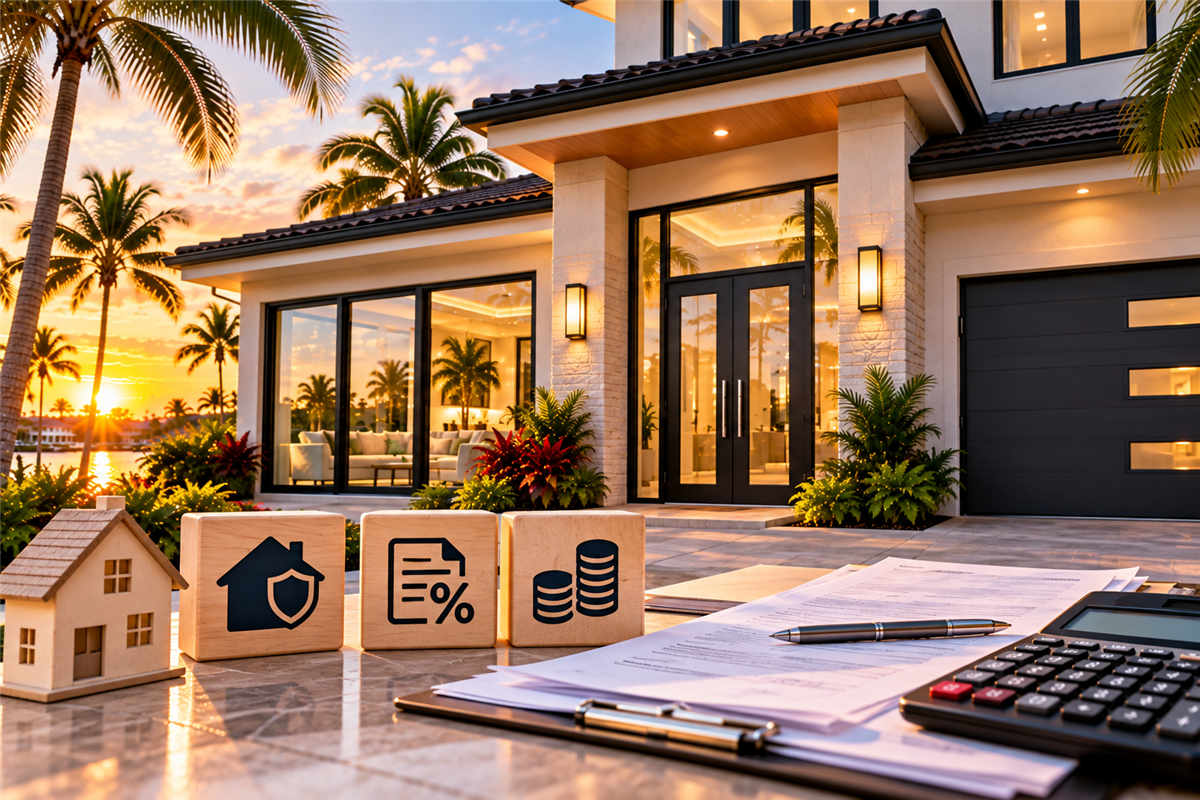
Replacing windows and doors with impact-resistant products can be a significant investment for Florida homeowners.
For homeowners concerned about project cost, there may be several different resources worth researching, including the My Safe Florida Home program, Florida's Home-Hardening Sales Tax Refund, and financing options offered for eligible home-improvement projects.
These are not the same type of financial resource.
One may involve state grant assistance, another involves a refund of qualifying Florida sales tax, and financing involves borrowing funds that are repaid according to the terms of the financing agreement.
Understanding these differences is important before building a project budget.
This guide explains how Florida homeowners can research these options, what questions to ask, and why eligibility should be confirmed before assuming any incentive will reduce the cost of an impact-window or impact-door project.
Three Different Ways Florida Homeowners May Plan for Project Costs
When researching ways to pay for impact windows, impact doors, roofing, or other hurricane-hardening improvements, homeowners may encounter several programs or financial options.
Three commonly discussed categories are:
- My Safe Florida Home
- Florida's Home-Hardening Sales Tax Refund
- Home-improvement financing
Although all three may affect how a homeowner plans a project financially, they work very differently.
Quick Comparison: Grant, Tax Refund, and Financing
My Safe Florida Home
My Safe Florida Home is a state program associated with hurricane mitigation inspections and eligible improvements for qualifying Florida homeowners.
Florida Home-Hardening Sales Tax Refund
Florida's current Home-Hardening Sales Tax Exemption provides qualifying homeowners with a refund of previously paid Florida sales tax on certain qualifying impact-resistant products, subject to the program's requirements and limits.
Financing
Financing is not a grant or tax refund. It is a method of paying for a project over time according to the terms, rates, eligibility requirements, and repayment obligations of the financing agreement.
Homeowners should understand these distinctions before comparing their options.
What Is My Safe Florida Home?
My Safe Florida Home, often abbreviated as MSFH, is a Florida program designed around hurricane mitigation.
The program has included hurricane mitigation inspections and grant opportunities for eligible Florida homeowners.
However, program funding, application periods, eligibility requirements, inspection requirements, grant rules, and available benefits can change.
Homeowners should always review the current official My Safe Florida Home information before assuming that applications or funding are available.
Why My Safe Florida Home Is Important for Impact Window Buyers
Impact-resistant windows and doors can be part of a broader hurricane-hardening strategy.
Depending on the current rules of My Safe Florida Home and the individual property, certain opening-protection improvements may be relevant to the program.
However, homeowners should not purchase products based solely on the assumption that a state grant will reimburse the project.
Eligibility should be confirmed through the official program process.
Who Qualifies for My Safe Florida Home?
My Safe Florida Home has specific eligibility requirements.
Those requirements can involve factors related to the property, homeowner, inspection, recommended improvements, application process, and current program rules.
Because the program can change over time, homeowners should avoid relying on an old article, social media post, advertisement, or previous year's eligibility requirements.
Always check the current official program information before making financial decisions.
Does My Safe Florida Home Give Everyone Free Impact Windows?
No.
Homeowners should be cautious of advertising that makes My Safe Florida Home sound like a universal free-window program.
Participation and financial assistance depend on the official program requirements and the homeowner's individual eligibility.
An impact-window contractor should not guarantee that a homeowner will receive a state grant unless the applicable program has actually determined that homeowner's eligibility.
What Is Florida's Home-Hardening Sales Tax Refund?
Florida's Home-Hardening Sales Tax Exemption is a separate state program involving certain qualifying home-hardening products.
Under the current program, qualifying products can include:
- Impact-resistant windows
- Impact-resistant exterior doors
- Impact-resistant garage doors
The current qualifying retail purchase period runs from July 1, 2026 through June 30, 2029.
Unlike a traditional sales tax holiday, eligible homeowners generally pay the applicable Florida sales tax and then apply for a refund under the state's process.
How Much Is the Home-Hardening Sales Tax Refund?
Under the current program, the total refund is limited to up to $500 for one eligible residential property.
The $500 amount is a maximum, not a guaranteed refund.
The actual amount depends on qualifying Florida sales tax paid and whether the homeowner, property, products, purchase, and documentation satisfy the program requirements.
Who Qualifies for the Home-Hardening Tax Refund?
The current Florida program includes specific requirements for both the homeowner and property.
Among the current requirements, eligible residential property must:
- Contain a qualifying site-built dwelling
- Have been granted the applicable Florida homestead exemption
- Have a just value of $700,000 or less
The refund is available to the owner of the eligible residential property where the qualifying products are installed.
Homeowners should review the complete current Florida Department of Revenue requirements before assuming their property qualifies.
Is the Home-Hardening Refund Automatically Applied by the Contractor?
No.
The current exemption is provided through a refund rather than an exemption claimed at the point of sale.
That means homeowners should not expect a contractor or retailer to automatically remove qualifying Florida sales tax from the purchase price.
The eligible property owner must follow the Florida Department of Revenue's refund process.
What Forms Are Used for the Home-Hardening Refund?
Under the current Florida Department of Revenue process, eligible homeowners use:
- Form DR-26S — Sales and Use Tax - Application for Refund
- Form DR-26HH — Home Hardening Products - Sales Tax Refund
Supporting documentation is also required.
Homeowners should always obtain the current forms and instructions directly from the Florida Department of Revenue before filing.
Why Receipts Matter
The Home-Hardening Sales Tax Refund involves Florida sales tax that has already been paid on qualifying retail purchases.
Documentation is therefore extremely important.
Depending on how the project is structured, relevant documentation may include:
- Receipts
- Invoices
- Product information
- Contracts
- Documentation showing Florida sales tax paid
- Applicable contractor purchase documentation
Homeowners considering the refund should think about documentation before the project is completed rather than trying to reconstruct records later.
What Is Impact Window Financing?
Financing provides another way for qualifying homeowners to pay for a window or door project.
Instead of paying the entire project cost upfront, financing may allow the homeowner to make payments over time according to the terms of the financing agreement.
Financing is fundamentally different from a state grant or tax refund.
Financing must be repaid.
What Should Homeowners Compare When Financing Impact Windows?
Homeowners should review the actual financing terms rather than focusing only on the advertised monthly payment.
Important questions can include:
- What is the interest rate?
- Is the rate fixed or variable?
- What is the annual percentage rate?
- How long is the repayment term?
- What is the total amount financed?
- What will the total repayment amount be?
- Are there promotional terms?
- When does interest begin accruing?
- Are there fees?
- Are there prepayment conditions?
- What credit requirements apply?
The lowest monthly payment does not necessarily mean the lowest overall project cost.
Can You Use My Safe Florida Home and the Home-Hardening Tax Refund Together?
Homeowners should not automatically assume that participation in one program guarantees eligibility for another.
My Safe Florida Home and the Home-Hardening Sales Tax Refund are separate programs with separate rules.
Eligibility for one does not automatically establish eligibility for the other.
Homeowners interested in using multiple programs for the same overall project should review the current rules of each program and determine whether any restrictions apply to their specific situation.
Can You Finance a Project While Using My Safe Florida Home?
Financing and My Safe Florida Home serve different purposes.
A homeowner may investigate financing as a way to pay project costs while separately researching whether the property and proposed improvements qualify under My Safe Florida Home.
However, homeowners should not structure a financing agreement based on an assumed future grant payment unless they have verified the applicable program requirements and understand their own financial obligations.
The homeowner remains responsible for the terms of any financing agreement.
Can You Finance a Project and Still Apply for the Home-Hardening Tax Refund?
Financing a project and applying for a state tax refund involve different processes.
The important issue for the Home-Hardening Sales Tax Refund is whether the homeowner, property, qualifying products, retail purchase, tax payment, and documentation meet the state's requirements.
Homeowners should review the current Florida Department of Revenue rules rather than assuming that the method used to pay the overall project determines eligibility.
What Does "Stacking Incentives" Really Mean?
The phrase "stacking incentives" can make the process sound simpler than it actually is.
In reality, homeowners may be dealing with multiple independent programs or financial tools.
For example:
- A state grant program may have its own application and eligibility rules.
- A state sales tax refund may have separate property and documentation requirements.
- A financing agreement may have separate credit and repayment requirements.
Homeowners should evaluate each one independently before estimating the final out-of-pocket cost of a project.
Do Not Add Up Maximum Benefits and Assume That Is Your Savings
One of the biggest mistakes homeowners can make is adding together advertised maximum benefits and assuming they will automatically receive that amount.
A maximum program benefit does not mean every applicant receives the maximum.
Actual financial results can depend on:
- Eligibility
- Available funding
- Program rules
- Approved improvements
- Project costs
- Qualifying tax paid
- Required documentation
- Application timing
- Other program-specific conditions
Build your project budget around verified information rather than best-case assumptions.
Step 1: Research My Safe Florida Home Before Signing a Contract
If My Safe Florida Home is important to your project budget, research the current program before committing to work based on an assumed grant.
Determine:
- Whether applications are currently available
- Whether your property appears eligible
- Whether an inspection is required
- Which improvements may qualify
- Whether contractor requirements apply
- What approvals must occur before work begins
- What documentation must be retained
Do not assume you can complete the project first and resolve the grant requirements afterward.
Step 2: Determine Whether Your Property May Qualify for the Tax Refund
If you are considering the Home-Hardening Sales Tax Refund, review the current property eligibility requirements.
Among the questions to research are:
- Is the property your qualifying Florida homestead?
- Is it a qualifying site-built dwelling?
- Does it meet the current just-value requirement?
- Will qualifying products be purchased during the eligible period?
- Will the required sales tax documentation be available?
Checking these questions early can prevent incorrect assumptions later.
Step 3: Decide Which Openings You Want to Upgrade
Before comparing financial options, understand the actual scope of the project.
A hurricane-hardening project may involve:
- Impact windows
- Impact front doors
- Impact French doors
- Impact sliding glass doors
- Other qualifying exterior openings
Some homeowners replace all eligible openings at once, while others complete improvements in phases.
Knowing the project scope makes financing and incentive planning more realistic.
Step 4: Get a Detailed Impact Window and Door Quote
A detailed quote should help homeowners understand what products and services are actually included.
Depending on the project, the proposal should identify information such as:
- Manufacturer
- Product or series
- Window or door styles
- Opening quantities
- Frame material
- Glass configuration
- Hardware
- Installation scope
- Permit responsibilities
- Finishing work
- Warranty information
A detailed proposal also makes it easier to understand which portions of the project may relate to a particular program.
Step 5: Understand Who Purchases the Products
This can be particularly important for the Florida Home-Hardening Sales Tax Refund.
In some projects, the homeowner purchases qualifying products directly.
In others, the contractor purchases products and installs them as part of a larger contract.
The Florida Department of Revenue has specific documentation requirements involving qualifying retail purchases and Florida sales tax paid.
Homeowners interested in the refund should discuss documentation before the project is completed.
Step 6: Compare Financing Based on Total Cost
If financing is needed, compare more than the monthly payment.
For example, a longer repayment term may produce a smaller monthly payment while increasing the total amount paid over the life of the financing agreement.
Review:
- Amount financed
- Interest rate
- APR
- Monthly payment
- Repayment term
- Total repayment amount
- Fees
- Promotional conditions
Make sure the payment fits your household budget even without assuming an unconfirmed grant or refund.
Step 7: Keep Project Documentation Organized
When multiple programs or financial resources are involved, organization becomes especially important.
Consider keeping a project folder containing:
- Contracts
- Quotes
- Product information
- Product approval documentation
- Receipts
- Sales tax records
- Permit information
- Inspection documents
- Program correspondence
- Grant-related records
- Financing documents
- Warranty information
Do not assume another party will retain every document you may need later.
Step 8: Track Deadlines Separately
Different programs can have different deadlines.
A homeowner researching several financial resources should not treat them as one combined application.
Create a simple list containing:
- Application opening dates
- Application deadlines
- Inspection requirements
- Approval requirements
- Purchase deadlines
- Installation requirements
- Refund filing deadlines
- Documentation deadlines
Always confirm dates using the official source responsible for each program.
Home-Hardening Tax Refund Deadline
Under Florida's current Home-Hardening Sales Tax Exemption, qualifying retail purchases must occur between:
July 1, 2026 and June 30, 2029.
The current refund claim period runs through:
September 30, 2029.
Homeowners should verify these dates again when they are ready to file in case state guidance has changed.
My Safe Florida Home Deadlines Can Be Different
My Safe Florida Home operates separately from the sales tax refund.
Application periods, funding availability, inspections, grant approvals, contractor requirements, and project deadlines can follow a different schedule.
Do not use the Home-Hardening Sales Tax Refund dates as deadlines for My Safe Florida Home.
Should You Wait for a Program Before Replacing Your Windows?
That decision depends on the homeowner's circumstances.
Factors can include:
- Condition of existing windows and doors
- Current hurricane protection
- Program availability
- Eligibility
- Project urgency
- Budget
- Financing availability
- Upcoming hurricane season
- Renovation plans
A homeowner with severely deteriorated windows may evaluate timing differently from someone planning a future renovation several years in advance.
A contractor can evaluate the physical project, but homeowners should rely on the applicable government program for official eligibility decisions.
Should You Choose Impact Windows Based Only on Incentives?
No.
Financial programs can make a project more manageable, but the underlying product and installation still matter.
When comparing impact windows, homeowners should evaluate:
- Manufacturer
- Exact product series
- Frame material
- Impact glass
- Product approval
- Design requirements
- Hardware
- Warranty
- Installation
- Contractor experience
A potential grant or tax refund does not make an unsuitable product the right choice for a home.
Impact Windows vs. Impact Doors: What Should You Prioritize?
Homeowners planning around a limited budget may need to determine which openings to address first.
The answer depends on the individual property.
A home can contain:
- Older non-impact windows
- An older front door
- French doors
- Large sliding glass doors
- A mixture of impact and non-impact products
Creating a whole-home opening inventory can help homeowners understand which openings are already protected and which still need attention.
Can You Complete the Project in Phases?
Some homeowners complete window and door replacement in phases rather than replacing every opening at once.
If a project is phased, homeowners should consider how that decision interacts with:
- Current program rules
- Application deadlines
- Purchase periods
- Financing terms
- Permitting
- Remaining unprotected openings
Do not assume that a program available during the first phase will necessarily remain unchanged for a later phase.
Can Impact Windows Lower Homeowners Insurance?
Impact-resistant opening protection may be relevant to wind-mitigation characteristics considered by Florida insurers.
However, installing impact windows does not guarantee a particular insurance discount.
Potential eligibility or savings can depend on:
- The insurance carrier
- The policy
- The property
- Inspection results
- Documentation
- Protection of other exterior openings
- Other building characteristics
Insurance should therefore be treated as another separate consideration rather than being automatically added to an estimated incentive total.
Common Mistakes When Combining Project Resources
Assuming Every Program Is Available
Government programs can have funding limits, application periods, and changing requirements.
Assuming Eligibility Before Applying
Reading the basic qualifications does not guarantee that a particular homeowner or project will be approved.
Adding Maximum Benefits Together
Maximum advertised benefits should not be treated as guaranteed project savings.
Starting Work Before Checking Program Rules
Some programs can have requirements involving inspections, approvals, contractors, products, or project timing.
Throwing Away Receipts
Receipts and sales tax documentation are particularly important for the Home-Hardening Sales Tax Refund.
Financing Based on an Expected Grant
A homeowner remains responsible for the financing agreement even if an expected outside benefit is delayed, reduced, or unavailable.
Choosing a Contractor Only Because of Incentive Advertising
Homeowners should still verify the contractor, products, installation scope, permitting responsibilities, warranties, and service.
Questions to Ask Before Starting an Impact Window Project
- What exact products are included in my quote?
- Are the products appropriate for my home's openings?
- What product approvals apply?
- Who handles permitting?
- Who purchases the windows and doors?
- What sales tax documentation will I receive?
- Does the contractor participate in any program that applies to my project?
- What program requirements must I complete before work begins?
- What financing options are available?
- What are the financing terms?
- What is the total repayment amount?
- What manufacturer warranty applies?
- What workmanship coverage applies?
- Who handles service after installation?
What Your Window Contractor Can and Cannot Determine
A window and door contractor can help homeowners understand the products, project scope, installation, permitting, and documentation associated with the work.
However, a contractor should not replace the government agency responsible for determining eligibility for a state program.
Homeowners should use official program sources for questions involving:
- Final grant eligibility
- Program funding
- State refund eligibility
- Application approval
- Government deadlines
- Official forms
This distinction helps prevent misunderstandings between the home-improvement project and the financial program connected to it.
Impact Windows and Doors From Statewide Windows & Doors
Statewide Windows & Doors helps Florida homeowners plan impact-window and impact-door projects based on the actual needs of their homes.
Statewide provides solutions involving:
- Impact windows
- Impact entry doors
- Impact French doors
- Impact sliding glass doors
- Residential window and door replacement
Homeowners can explore impact windows, impact doors, and impact sliding glass doors when planning a project.
Why Choose Statewide Windows & Doors?
Statewide Windows & Doors brings more than 25 years of combined industry experience to Florida window and door projects.
Statewide helps homeowners navigate important parts of the project, including:
- Product selection
- Measurements
- Project planning
- Permitting
- Installation
- Inspections
- Project completion
- Post-installation service
Homeowners can review completed projects, explore Statewide's service areas, or contact Statewide Windows & Doors to discuss an impact-window or impact-door project.
Florida Impact Window Financial Planning Checklist
- Determine which windows and doors need replacement.
- Research the current My Safe Florida Home program.
- Confirm whether applications and funding are currently available.
- Determine whether your property may qualify.
- Review the current Home-Hardening Sales Tax Refund requirements.
- Determine whether your property meets the tax-refund requirements.
- Get a detailed impact-window and door proposal.
- Identify the exact products included.
- Understand who purchases the products.
- Ask what sales tax documentation will be available.
- Compare financing terms if financing is needed.
- Do not budget around unconfirmed grants or refunds.
- Keep contracts, receipts, permits, and program documents organized.
- Track each program's deadlines separately.
- Verify official requirements before submitting applications or claims.
Frequently Asked Questions
Can I use My Safe Florida Home for impact windows?
Impact-resistant opening protection may be relevant under My Safe Florida Home depending on the current program rules, inspection, property, and homeowner eligibility. Homeowners should verify the current official program requirements before beginning work based on an expected grant.
Is My Safe Florida Home a free-window program?
No. Homeowners should not assume that the program provides free impact windows to everyone. Eligibility, funding, inspections, approved improvements, and other requirements apply.
What is Florida's Home-Hardening Sales Tax Refund?
It is a separate Florida program that provides eligible homeowners with a refund of qualifying Florida sales tax previously paid on certain qualifying impact-resistant windows, exterior doors, and garage doors.
How much is the Home-Hardening Sales Tax Refund?
Under the current program, the total refund is limited to up to $500 for one eligible residential property. The actual refund depends on qualifying tax paid and program eligibility.
Can I automatically combine My Safe Florida Home with the tax refund?
No automatic combined benefit should be assumed. The programs have separate eligibility rules and processes. Homeowners interested in both should verify the current requirements of each program for their specific project.
Is financing the same as a grant?
No. Financing involves borrowed funds that must be repaid according to the terms of the financing agreement.
Can I finance impact windows?
Financing may be available to qualifying homeowners. Terms, rates, credit requirements, repayment periods, and available options can vary.
Should I compare financing based only on the monthly payment?
No. Homeowners should also review the interest rate, APR, repayment term, fees, amount financed, promotional conditions, and total repayment amount.
Do impact windows guarantee lower insurance premiums?
No. Potential insurance benefits depend on the insurer, policy, property, inspection results, documentation, opening protection, and other building characteristics.
Can Statewide determine whether I qualify for a government grant?
Statewide can help homeowners understand the window and door project itself, but final eligibility for a government program is determined according to the rules and process of the applicable program.
Final Words
Florida homeowners planning impact-window and impact-door projects may have more than one financial resource to research.
My Safe Florida Home, the Home-Hardening Sales Tax Refund, and financing can all play different roles in project planning, but they should not be treated as one combined incentive.
Each has separate rules, eligibility requirements, documentation, deadlines, and financial implications.
The safest approach is to verify each resource independently, obtain a detailed project proposal, organize your documentation, and build your budget without assuming that an unconfirmed grant or refund will be available.
With careful planning, homeowners can make a more informed decision about the products they choose, how the project is funded, and which official programs may apply to their individual situation.
Tags
Subscribe to Statewide Windows & Doors's Blog


Comments