 Free Estimate
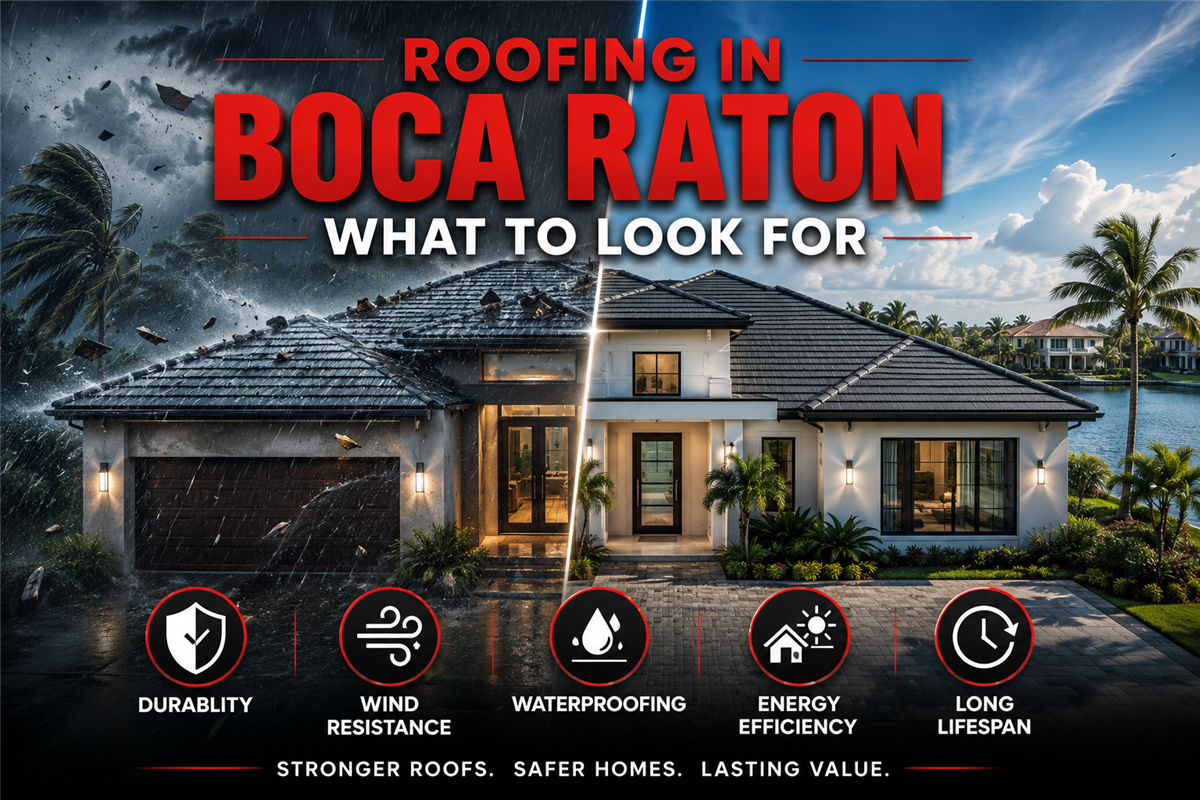
Roofing in Boca Raton: What to Look For
Living in Boca Raton means enjoying coastal beauty—but it also means preparing your home for intense sun, heavy rain, and hurricane season. Your roof is your home’s first line of defense, making it one of the most important investments you can make.
But not all roofing systems are created equal. Choosing the right materials, installation, and features can make a major difference in how well your home performs during Florida’s toughest conditions.
If you're upgrading your home alongside impact windows, here’s what Boca Raton homeowners should look for in a reliable roofing system.
Quick Answer: What to Look for in Roofing
- Strong, hurricane-resistant materials
- Proper installation and code compliance
- Durability in heat, humidity, and storms
- Long-term value and efficiency
Bottom line: The best roof for Boca Raton is one that’s built for durability, installed correctly, and designed to handle extreme weather.
1. Hurricane-Resistant Materials
Boca Raton homes must withstand high winds and flying debris.
Top roofing materials include:
- Metal roofs: Highly wind-resistant and long-lasting
- Tile roofs: Durable and ideal for heat resistance
- Architectural shingles: Better performance than standard shingles
Choosing the right material is key to long-term protection.
2. Wind Resistance and Design
Your roof must be able to handle strong hurricane winds.
Look for:
- High wind ratings
- Secure fastening systems
- Roof shapes like hip designs (which perform better in storms)
These factors help reduce the risk of uplift and damage.
3. Proper Installation Is Critical
Even the best materials won’t perform without proper installation.
Professional installation ensures:
- Secure attachment to the roof structure
- Proper sealing against water intrusion
- Compliance with Florida building codes
Poor installation is one of the leading causes of roof failure.
4. Underlayment and Waterproofing
Underlayment is a hidden but essential part of your roof.
In Boca Raton, it should:
- Act as a secondary water barrier
- Protect against wind-driven rain
- Help prevent leaks if outer materials are damaged
This layer is critical during hurricanes.
5. Heat and UV Resistance
Florida’s intense sun can wear down roofing materials over time.
Look for materials that:
- Reflect heat
- Resist UV damage
- Maintain durability in high temperatures
This helps extend the life of your roof and improve energy efficiency.
6. Energy Efficiency Benefits
A well-designed roof can reduce your home’s energy costs.
Benefits include:
- Lower cooling bills
- Improved insulation
- Better indoor comfort
This is especially important in Boca Raton’s warm climate.
7. Longevity and Maintenance
Not all roofs last the same amount of time.
- Metal roofs: 40–70+ years
- Tile roofs: 30–50+ years
- Shingles: 15–25 years
Choosing a longer-lasting material can save money over time.
8. Code Compliance and Permits
Boca Raton follows strict Florida building codes for roofing.
Your roof must meet:
- Wind resistance standards
- Installation requirements
- Inspection and permit guidelines
Working with experienced professionals ensures compliance.
What Most Homeowners Don’t Realize
Not all roofs are built for Florida weather
Standard systems may not hold up during hurricanes.
Installation matters more than material
A poorly installed roof can fail even if it’s high quality.
Your roof is part of a complete system
It works together with windows, doors, and structure to protect your home.
What This Means for Your Home
Choosing the right roofing system in Boca Raton is about more than just appearance—it’s about protection, performance, and long-term value.
By selecting durable materials, ensuring proper installation, and meeting Florida building codes, you can protect your home from storms, reduce energy costs, and extend the life of your investment.
In a climate like South Florida, a strong roof isn’t optional—it’s essential.
Subscribe to Statewide Windows & Doors's Blog



Comments