 Free Estimate
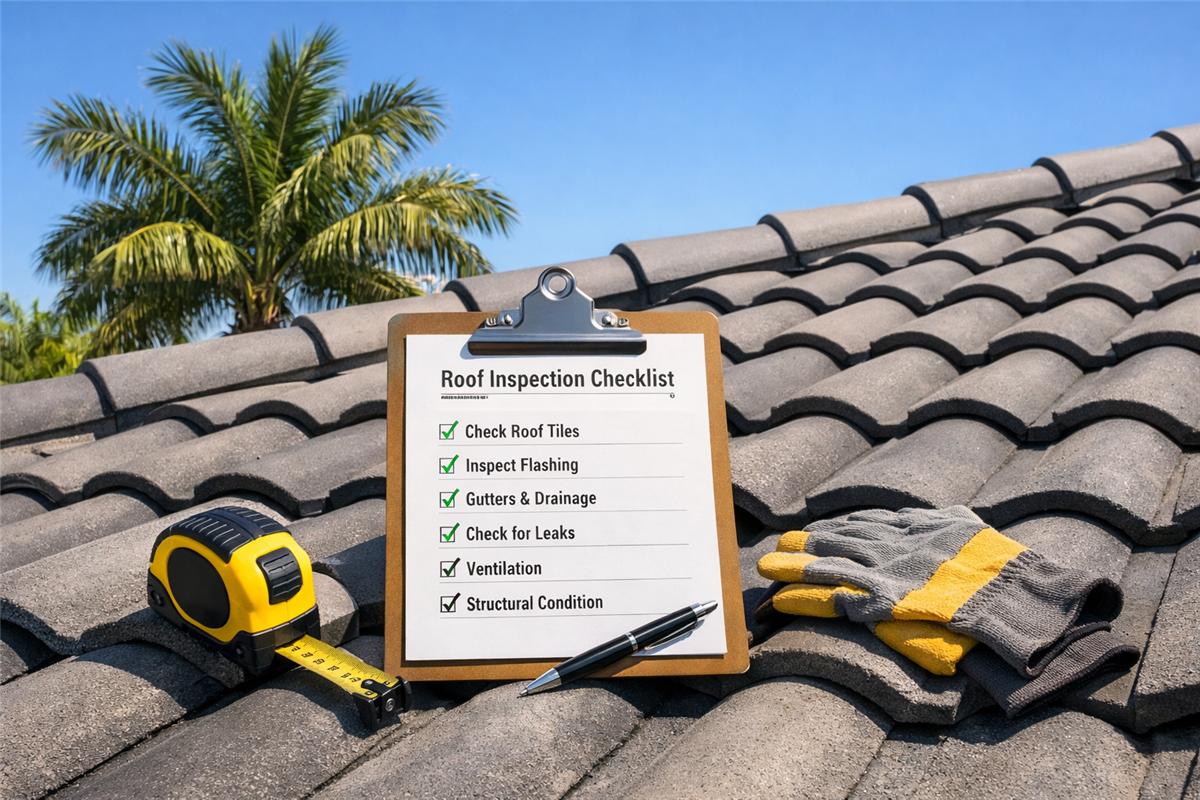
Roof Inspection Checklist for South Florida Homeowners
In South Florida, your roof faces constant stress from sun, heat, heavy rain, and hurricanes. That’s why regular inspections are essential to catch small issues before they turn into costly repairs.
Whether you’re preparing for hurricane season or maintaining your home alongside upgrades like impact windows, having a clear roof inspection checklist can help protect your property year-round.
Why Roof Inspections Matter in South Florida
Florida’s climate accelerates wear and tear on roofing systems. Regular inspections help:
- Prevent leaks and water damage
- Extend roof lifespan
- Maintain insurance eligibility
- Prepare your home for storms
Staying proactive can save thousands in repairs.
Exterior Roof Inspection Checklist
1. Check for Missing or Damaged Materials
Look for:
- Cracked or broken tiles
- Missing shingles
- Loose or lifted materials
Even minor damage can worsen during storms.
2. Inspect Flashing and Seals
Flashing protects vulnerable areas like:
- Chimneys
- Vents
- Skylights
Check for cracks, rust, or gaps that could allow water in.
3. Look for Signs of Water Pooling
This is especially important for flat roofs.
- Standing water
- Uneven surfaces
- Drainage issues
Poor drainage can lead to leaks and faster deterioration.
4. Examine Gutters and Drainage Systems
Make sure gutters are:
- Clear of debris
- Properly attached
- Draining water away from the home
Clogged gutters can cause water backup and roof damage.
5. Check for Mold, Algae, or Stains
Dark streaks or discoloration may indicate:
- Moisture buildup
- Algae growth
- Early signs of deterioration
Interior Inspection Checklist
1. Look for Ceiling Stains
Inside your home, check for:
- Water stains
- Discoloration
- Bubbling paint or drywall
These are often early signs of a roof leak.
2. Check the Attic (If Accessible)
Inspect for:
- Moisture or damp insulation
- Visible light coming through the roof
- Mold or mildew
The attic often reveals problems before they appear inside living spaces.
3. Watch for Musty Odors
Unusual smells can indicate hidden moisture or mold growth caused by leaks.
After a Storm: What to Inspect
After hurricanes or heavy storms, check for:
- Debris on the roof
- Loose or displaced materials
- New leaks or water stains
- Damaged flashing or vents
Storm damage isn’t always obvious—early inspection is key.
What Most Homeowners Don’t Realize
Damage isn’t always visible from the ground
Some issues require a closer or professional inspection.
Small problems can become major repairs
A minor crack or loose tile can lead to significant water damage.
Your roof works with the rest of your home
Windows, doors, and roofing systems all contribute to storm protection.
How Often Should You Inspect Your Roof?
In South Florida, it’s recommended to inspect your roof:
- At least once a year
- Before hurricane season
- After major storms
Regular checks help you stay ahead of problems.
When to Call a Professional
You should schedule a professional inspection if:
- Your roof is older (15+ years)
- You notice signs of damage or leaks
- You’ve experienced a recent storm
Professionals can identify issues that aren’t visible to the untrained eye.
Why Roof and Window Protection Go Together
Your roof is just one part of your home’s defense system.
Pairing a strong roof with impact-resistant windows helps protect against:
- Water intrusion
- Wind pressure
- Structural damage
A fully protected home performs better during storms.
What This Means for Your Home
A simple roof inspection checklist can go a long way in protecting your South Florida home. By identifying issues early and staying proactive, you can extend your roof’s lifespan and avoid costly damage.
In a region where storms are a regular threat, regular inspections aren’t optional—they’re essential for maintaining your home’s safety and value.
Subscribe to Statewide Windows & Doors's Blog






Comments