 Free Estimate
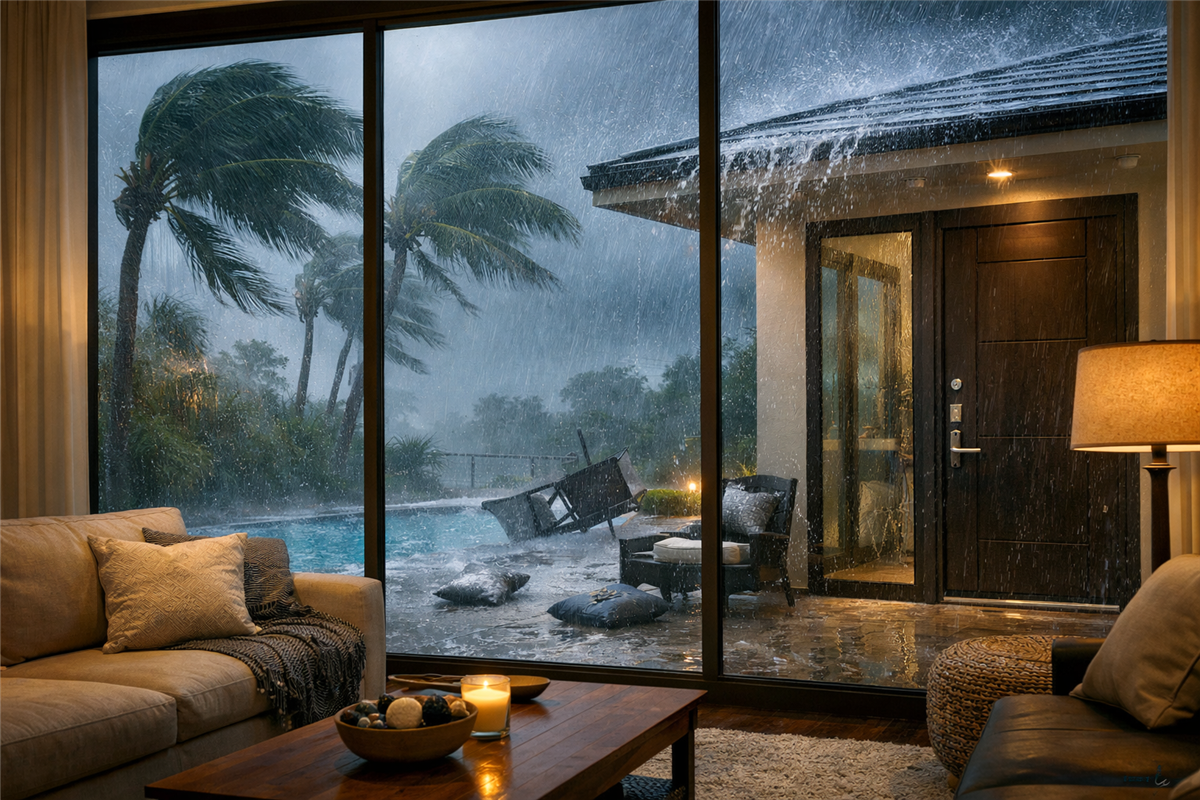
How Hurricanes Affect Different Parts of Your Home
Hurricanes can impact every part of your home—from the roof down to the foundation. In South Florida, where strong winds, heavy rain, and flying debris are common during storm season, understanding these risks is essential.
By knowing how hurricanes affect different areas of your home, you can take the right steps to strengthen vulnerable points and reduce potential damage.
Where Hurricanes Cause the Most Damage
1. Roof Damage
Your roof is the first line of defense during a hurricane—and one of the most vulnerable areas.
High winds can:
- Lift shingles or tiles
- Peel back roofing materials
- Expose the roof deck to water intrusion
If the roof fails, it can lead to widespread interior damage throughout the home.
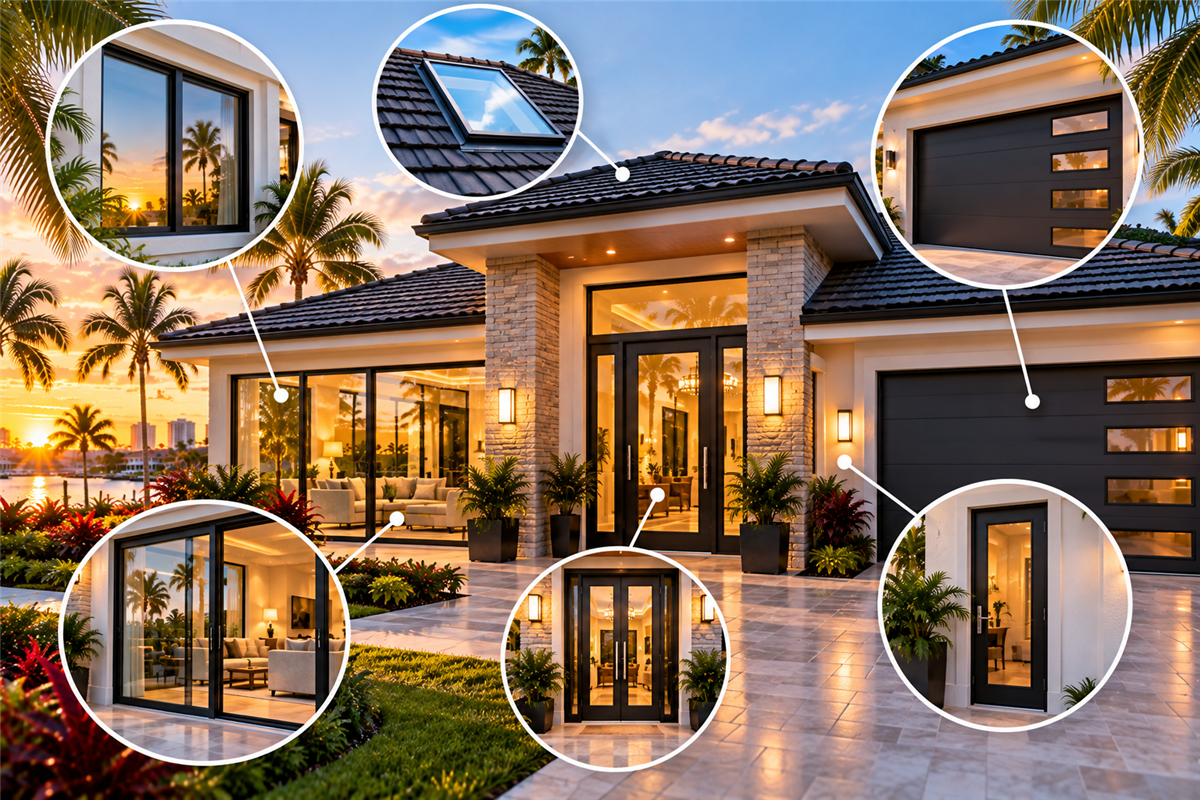
2. Windows and Glass Openings
Windows are one of the weakest points during a storm.
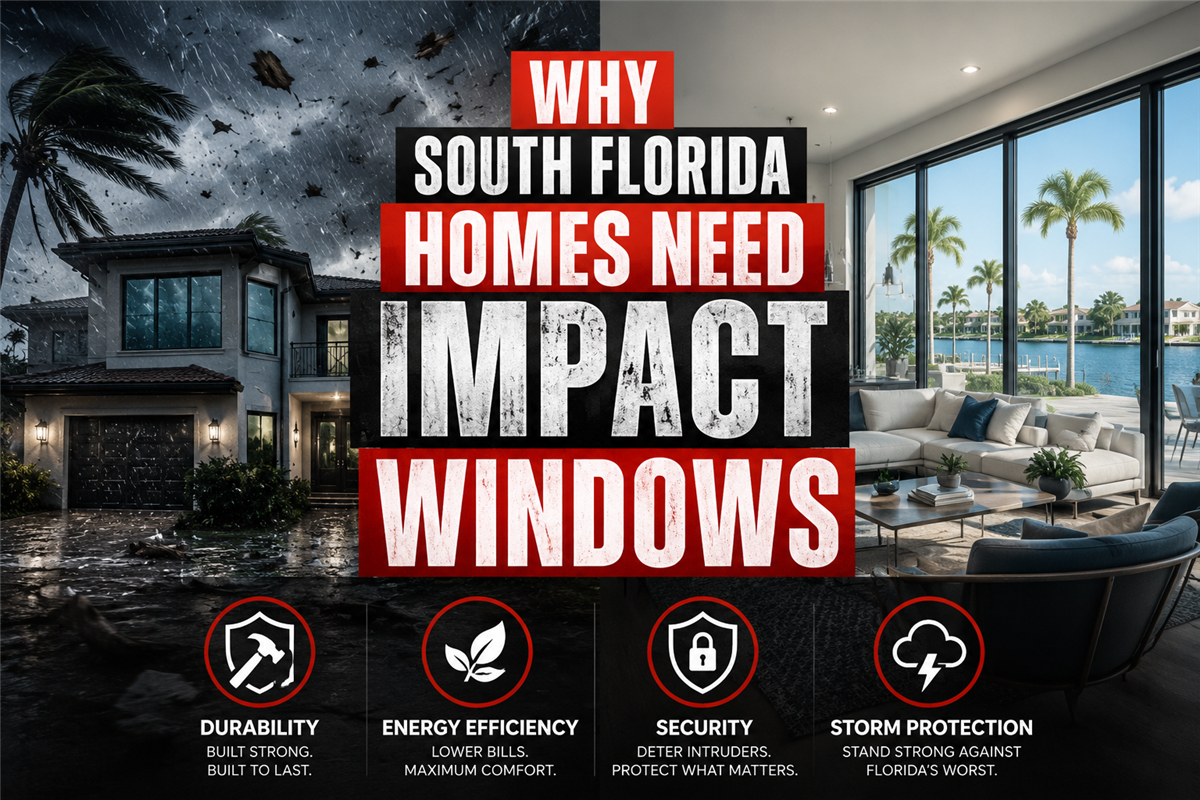
Flying debris can shatter standard glass, allowing wind and rain to enter the home. Once a window breaks, pressure can build inside, increasing the risk of structural damage.
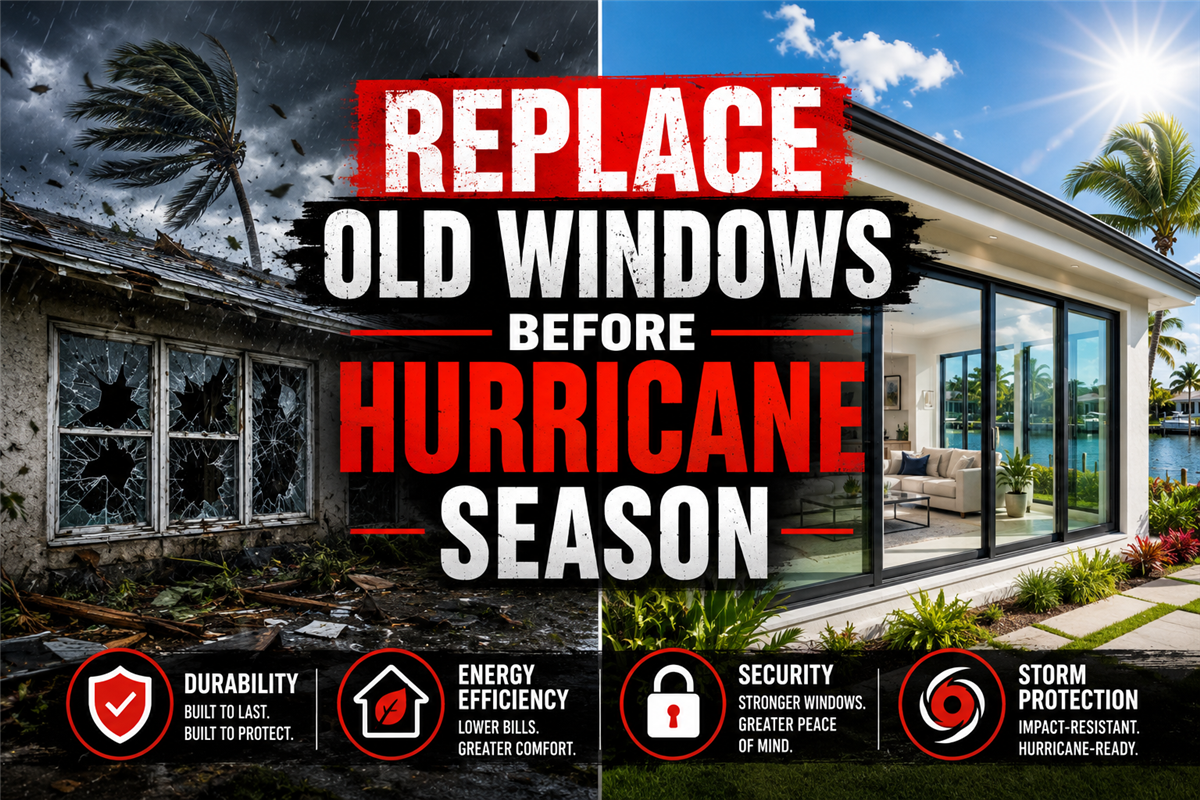
Upgrading to impact windows helps prevent breakage and keeps the home sealed during extreme conditions.
3. Doors and Entry Points
Exterior doors, especially large openings like sliding doors and garage doors, are highly vulnerable during hurricanes.
If a door fails, it can:
- Allow wind to enter the home
- Create internal pressure buildup
- Increase the risk of roof or wall failure
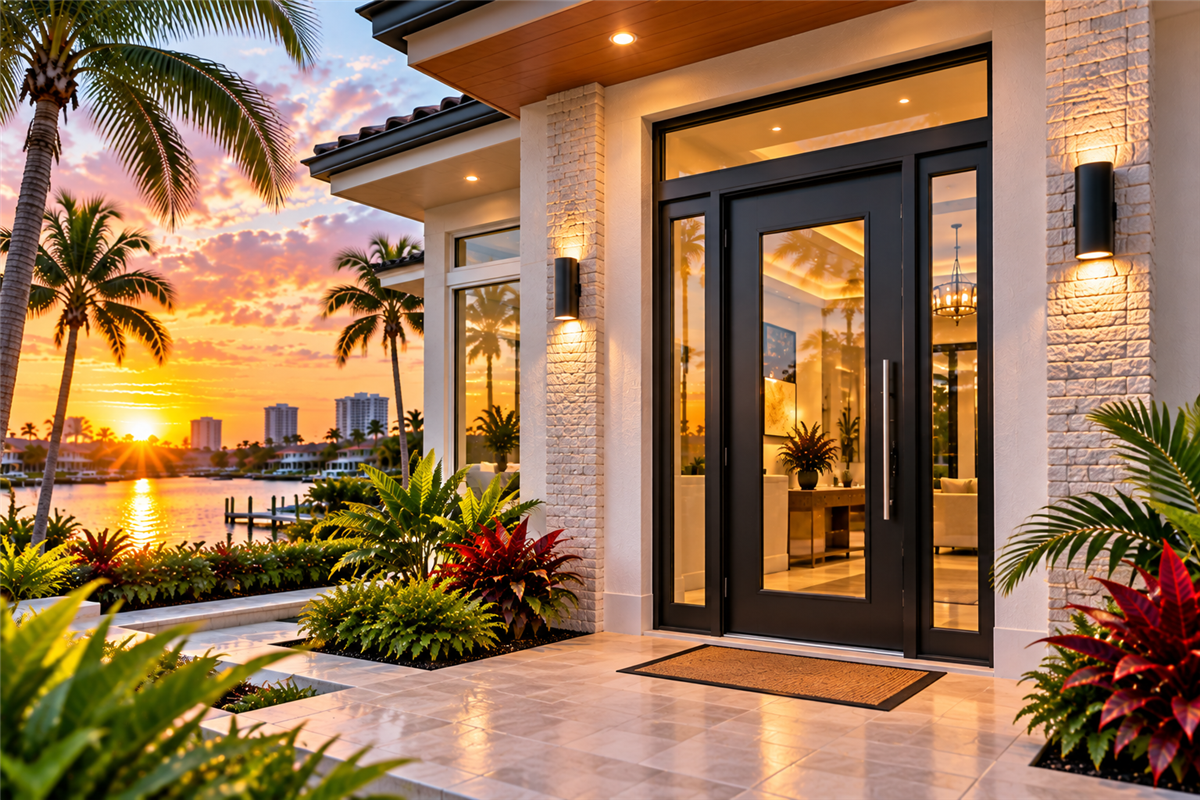
Installing impact-resistant doors can significantly improve protection.
4. Garage Doors
Garage doors are often one of the most overlooked weak points.
Because of their large size, they are more likely to fail under pressure if not reinforced. A compromised garage door can allow wind to rush inside, which may lead to severe structural damage.
5. Exterior Walls and Structure
While walls are generally strong, they can still be affected by prolonged wind pressure and debris impact.
Damage may include:
- Cracks or structural stress
- Water intrusion through weak points
- Damage from flying debris
Maintaining a sealed and reinforced exterior helps reduce these risks.
6. Interior Spaces
Once water or wind enters the home, interior damage can escalate quickly.
This may include:
- Ceiling and drywall damage
- Flooring issues
- Mold and moisture problems
- Damage to furniture and belongings
Preventing entry points from failing is key to protecting the inside of your home.
7. Outdoor Areas and Surroundings
Outdoor spaces can become dangerous during a hurricane.
Loose items like furniture, grills, and décor can turn into projectiles that damage windows, doors, and walls.
Before a storm, it’s important to secure or store these items to reduce risk.
Why Understanding This Matters
Hurricane damage often starts at one weak point and spreads quickly. A broken window or failed door can lead to internal pressure changes that affect the entire structure of the home.
By strengthening each vulnerable area, homeowners can significantly reduce the risk of major damage.
How to Better Protect Your Home
To improve protection during hurricane season, homeowners should consider:
- Installing impact windows and doors
- Reinforcing the roof and roof connections
- Upgrading garage doors
- Sealing and maintaining exterior openings
- Securing outdoor items before storms
These upgrades work together to create a stronger, more resilient home.
What This Means for Homeowners in South Florida
In South Florida, hurricane preparedness is not optional—it’s part of homeownership. Every part of your home plays a role in how well it performs during a storm.
Understanding where damage happens and taking proactive steps to reinforce those areas can make a major difference when severe weather hits.
Homes that are properly upgraded are not only safer, but often more valuable and more efficient over time.
Subscribe to Statewide Windows & Doors's Blog




Comments