 Free Estimate
How Impact Windows Are Tested for Hurricanes
Impact windows are designed to protect homes in South Florida from hurricanes, strong winds, and flying debris. To ensure they can withstand these conditions, they must go through strict testing processes before being approved for use.
Understanding how impact windows are tested can help homeowners see why they are a reliable option for storm protection.
Why Testing Is Important
Hurricanes create extreme conditions that put homes at risk.
Impact windows must be able to:
Resist strong winds
Withstand flying debris
Maintain the structure of the home
Testing ensures that windows meet Florida’s strict building code requirements and perform as expected during severe weather.
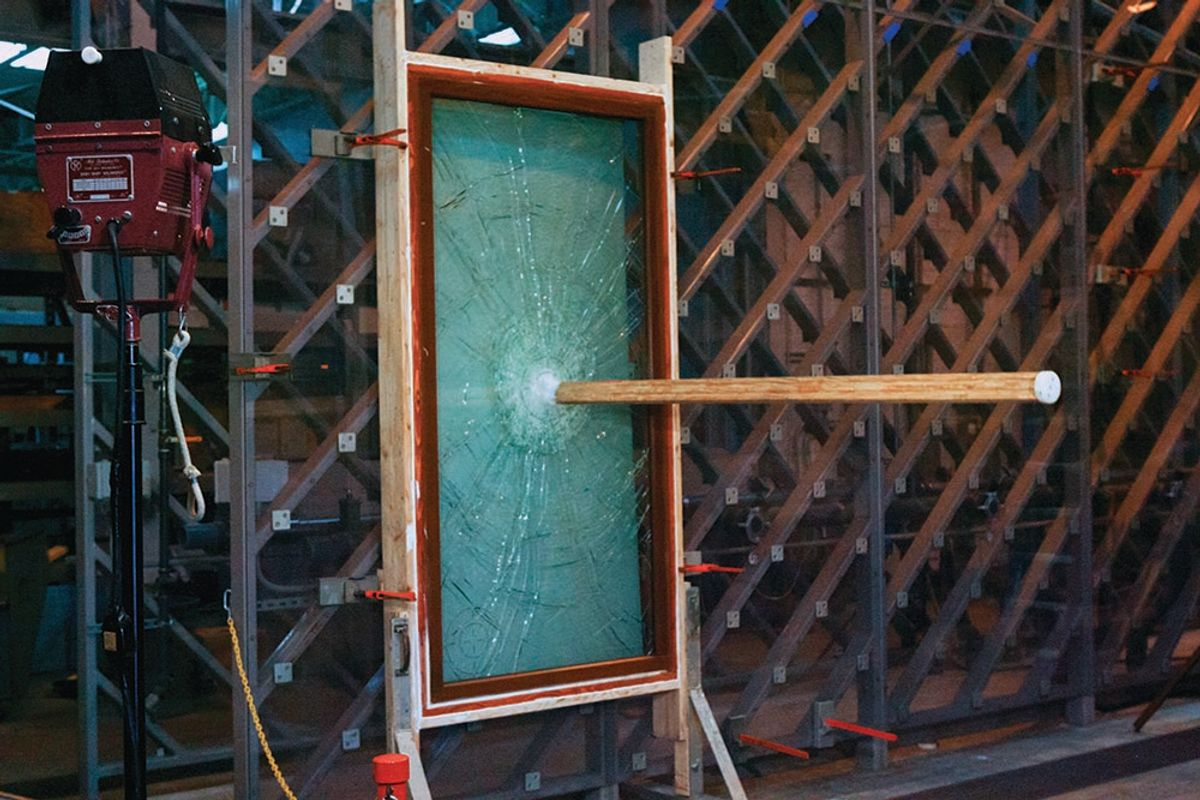
Impact Resistance Testing
One of the most important tests is impact resistance.
During this test:
A large object is launched at the window
The goal is to simulate debris during a hurricane
The window must resist penetration
Even if the glass cracks, it must remain intact and continue to provide protection.
Small Missile Testing
In addition to large impacts, windows are also tested against smaller debris.
This test involves:
Shooting smaller projectiles at high speed
Simulating debris carried by strong winds
Evaluating how the glass holds up under repeated impacts
This ensures the window can handle different types of storm conditions.
Pressure Testing
After impact testing, windows are subjected to pressure testing.
This process:
Applies positive and negative pressure
Simulates strong wind forces
Tests how well the window stays in place
The window must maintain its structure without failing under these conditions.
Water Resistance Testing
Hurricanes bring heavy rain, so windows must also be tested for water resistance.
This test checks:
Whether water can enter through the window
How well seals perform under pressure
Overall resistance to leaks
Proper sealing is essential to prevent interior damage.
Cyclic Wind Testing
Cyclic testing simulates repeated wind pressure over time.
This involves:
Repeatedly applying pressure to the window
Mimicking ongoing storm conditions
Evaluating long-term performance during a hurricane
This ensures the window can withstand prolonged exposure to strong winds.
Meeting Florida Building Codes
To be approved in South Florida, impact windows must meet strict standards.
These include:
Florida Building Code requirements
High Velocity Hurricane Zone (HVHZ) standards
Verified performance through testing
Meeting these standards ensures the windows are suitable for hurricane-prone areas.
Why Proper Installation Still Matters
Even after passing all tests, installation plays a critical role.
If windows are not installed correctly:
Performance can be reduced
Gaps or weak points can form
Protection may be compromised
Professional installation ensures the window performs as tested.
Choosing the Right Company
Selecting the right company is essential when investing in impact windows.
At Statewide Windows and Doors, impact window systems are designed to meet Florida’s strict building codes while providing durability and long-term performance.
Proper installation helps ensure your windows perform as intended during severe weather.
Bottom Line
Impact windows go through extensive testing to ensure they can withstand hurricane conditions.
These tests evaluate:
Impact resistance
Wind pressure
Water intrusion
Long-term performance
At Statewide Windows and Doors, homeowners can explore impact window solutions designed to provide reliable protection and peace of mind in South Florida.
Subscribe to Statewide Windows & Doors's Blog



Comments