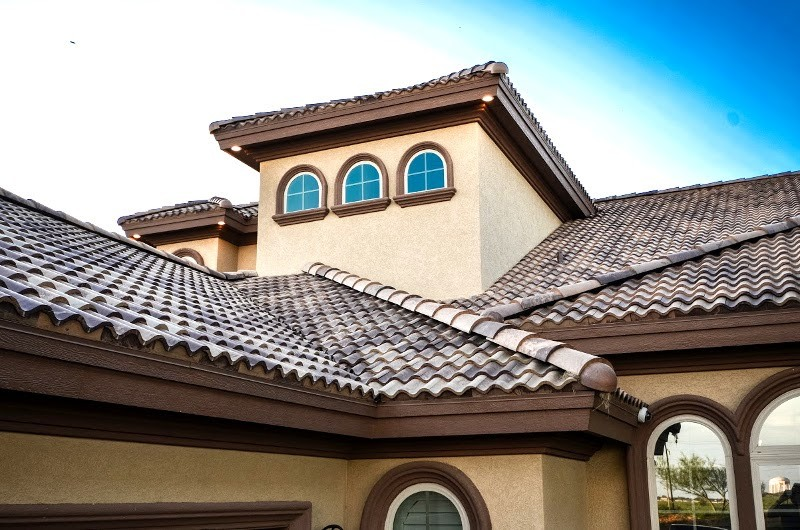
What Is the Best Roof for Hurricane-Prone Areas?
Homes in hurricane-prone regions such as South Florida must be built to withstand powerful winds, heavy rain, and flying debris. During severe storms, the roof is one of the most vulnerable parts of a home. If a roof fails, it can lead to major structural damage and costly repairs.
Choosing the right roofing system can significantly improve a home’s ability to handle extreme weather. While no roof is completely hurricane-proof, certain materials and designs perform much better than others in high-wind environments.
Below are some of the best roofing options for hurricane-prone areas and the factors homeowners should consider when selecting a storm-resistant roof.
Metal Roofing
Metal roofing is widely considered one of the best options for hurricane protection.
Metal roofs are designed with interlocking panels that help resist wind uplift and prevent sections of the roof from being torn away during strong storms. High-quality metal roofing systems can withstand wind speeds of 120–180 mph when properly installed.
Additional benefits of metal roofing include:
Long lifespan of 40–70 years
Resistance to corrosion and fire
Low maintenance requirements
Strong performance in coastal climates
Because of their durability and wind resistance, metal roofs are often recommended for homes in hurricane zones.
Concrete or Clay Tile Roofing
Clay and concrete tile roofs are another popular choice in hurricane-prone regions, especially in coastal Florida.
These roofs are extremely durable and heavy, which helps them resist strong winds and uplift forces during storms. Properly installed tile roofs can withstand winds exceeding 125 mph or more.
Other advantages include:
Long lifespan of 50+ years
Resistance to fire, insects, and mold
Natural ventilation that helps reduce heat buildup
However, tile roofs must be installed correctly with hurricane-rated fasteners or adhesives to ensure they stay secure during severe storms.
Impact-Rated Architectural Shingles
For homeowners looking for a more affordable option, architectural asphalt shingles can still provide solid storm protection when properly rated.
Modern impact-resistant shingles are designed to handle strong winds and debris impact. Many architectural shingles are rated for 130–150 mph wind speeds, significantly stronger than older three-tab shingles.
Benefits of architectural shingles include:
Lower upfront cost compared to metal or tile
Easier installation and repairs
Wide variety of colors and styles
Although they may not last as long as metal or tile roofs, they can still perform well in hurricane zones when installed according to building codes.
Roof Design Matters Too
The shape and structure of a roof can also affect how well it withstands hurricane winds.
Certain roof designs are more resistant to wind uplift and pressure.
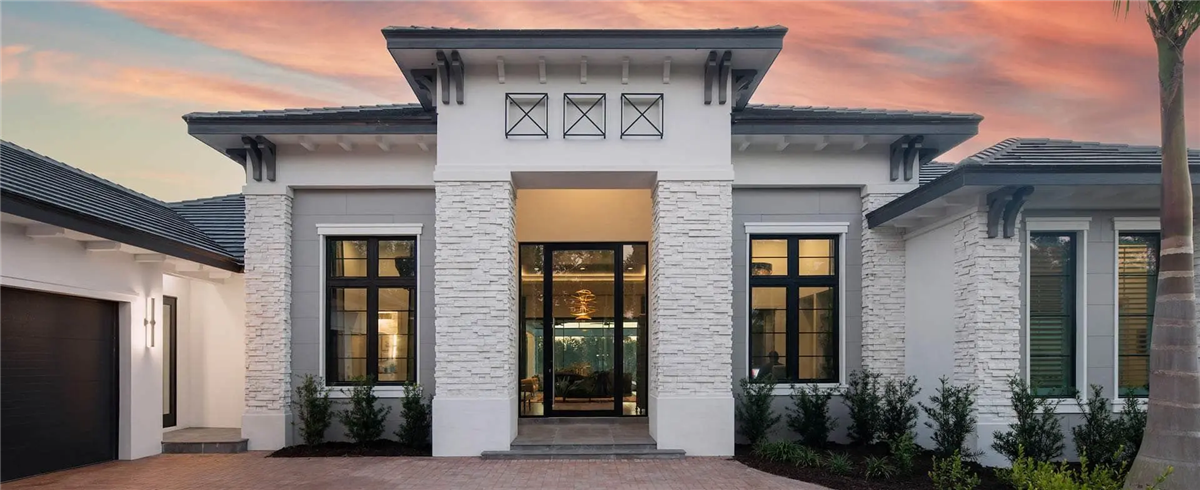
Hip roofs, which have slopes on all four sides, are often considered one of the most hurricane-resistant designs. Their shape helps distribute wind forces more evenly across the structure.
Other design factors that improve storm resistance include:
Strong roof decking and underlayment
Hurricane straps or clips connecting the roof to walls
Proper fastening and installation methods
These structural improvements help keep the roof attached to the home during extreme winds.
Why Proper Installation Is Critical
Even the strongest roofing materials can fail if they are installed incorrectly.
Professional installation ensures that roofing systems meet local building codes and hurricane wind ratings. Proper fastening systems, sealed underlayment, and reinforced roof connections all help increase storm resistance.
In hurricane-prone areas, working with experienced contractors who understand regional weather conditions is essential.
Bottom Line
The best roof for hurricane-prone areas combines durable materials with strong installation practices.
Some of the most reliable roofing options include:
Metal roofing for maximum wind resistance
Concrete or clay tile roofing for durability and long lifespan
Impact-rated architectural shingles for a more affordable storm-resistant option
While each roofing system has its advantages, choosing materials rated for high winds and ensuring professional installation can significantly improve a home’s ability to withstand hurricanes.
For homeowners in coastal regions, investing in a hurricane-resistant roof provides long-term protection, improved durability, and greater peace of mind during storm season.
Subscribe to Statewide Windows & Doors's Blog


Comments