 Free Estimate
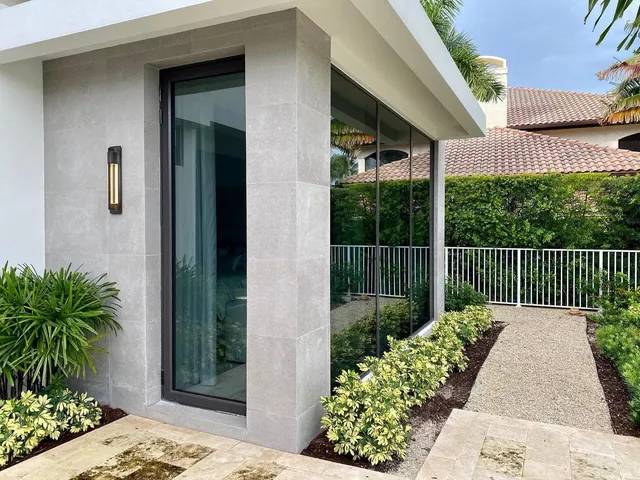
CGI vs ECO Windows: Which Is Better for Hurricane Protection in Florida?
When you start looking into impact windows in Florida, two names tend to come up pretty quickly: CGI and ECO.
At first glance, they can seem pretty similar. Both offer hurricane protection. Both are impact-rated. Both are used throughout South Florida homes.
But once you dig a little deeper, there are some important differences that can affect:
- Your budget
- Your home’s protection level
- Long-term durability
- How your windows look and operate
If you’re trying to decide between CGI and ECO windows, this guide will break it down in a way that actually helps you make the right call—not just understand the basics. If you want a broader overview first, you can also read what impact windows are and how they work.
Quick Answer: Which One Is Better?
- CGI Windows → Generally better for higher-end builds, larger openings, and maximum durability
- ECO Windows → More budget-friendly, solid protection, great for standard residential projects
There’s no one-size-fits-all answer. The “better” option depends on your home, your priorities, and how long you plan to stay there.
What Are CGI Windows?
CGI (Custom Window Systems / CGI Windows & Doors) is known for producing high-performance impact windows and doors that are widely used in coastal and high-wind areas.
What They’re Known For
- Stronger frame construction
- Higher design pressure ratings (DP ratings)
- More customization options
- Premium feel and finish
From a contractor’s perspective, CGI is often used when:
- The home has large window openings
- The property is in a high exposure area (coastal, open wind zones)
- The homeowner wants a long-term, higher-end solution
What Are ECO Windows?
ECO Windows are designed to provide affordable impact protection while still meeting Florida building code requirements.
What They’re Known For
- Lower price point
- Simpler designs
- Solid baseline hurricane protection
- Faster production times in some cases
ECO is commonly used when:
- Budget is a major factor
- The home has standard-sized openings
- The goal is to meet code and improve protection without overbuilding
The Real Difference: What Actually Matters
A lot of blogs just list features. That’s not how homeowners actually make decisions.
Here’s what really matters in the real world:
1. Strength & Wind Resistance
Both CGI and ECO windows are impact-rated, meaning they:
- Pass missile impact tests
- Meet Florida hurricane codes
But CGI typically offers:
- Higher DP (Design Pressure) ratings
- Stronger frames for larger spans
👉 Why this matters:
If your home has big openings or is exposed to strong wind loads, CGI gives you more structural confidence.
For smaller, standard windows, ECO often does the job just fine. If you’re still comparing the overall value of hurricane-rated products, this article on whether hurricane impact windows really work is a helpful next read.
2. Frame Quality & Build
This is where you start to see a noticeable difference.
- CGI → Thicker frames, more reinforcement
- ECO → Lighter construction, more basic framing
👉 From experience:
You can feel the difference during installation. CGI tends to be more rigid and forgiving on larger installs.
3. Aesthetics & Design Options
- CGI → More customization (colors, finishes, styles)
- ECO → More limited selection
If appearance matters—especially for front-facing windows or higher-end homes—CGI usually wins here.
4. Price Differences
This is where ECO becomes very attractive.
- ECO Windows → Lower upfront cost
- CGI Windows → Higher investment, but more robust
👉 Typical real-world scenario:
- ECO is often chosen for rental properties or budget-conscious upgrades
- CGI is more common in primary homes or long-term investments
5. Longevity & Wear Over Time
Both products are designed for Florida conditions, but:
- CGI tends to hold up better over time in:
- High UV exposure
- Coastal environments
- Heavy wind zones
👉 This doesn’t mean ECO fails—it just means CGI is built with more margin.
What Most Homeowners Don’t Realize
This is where a lot of decisions go wrong.
The Window Brand Is Only Part of the Equation
Even the best window won’t perform properly if:
- It’s installed incorrectly
- The opening isn’t properly prepped
- The anchoring system isn’t right
👉 Installation quality often matters more than brand choice.
Bigger Openings Change Everything
If your home has:
- Sliding glass doors
- Large fixed windows
- Wide openings
You may need CGI (or similar) just for structural reasons. And if you’re also evaluating door openings at the same time, it’s worth looking at your impact door options as part of the overall project.
Not Every Home Needs the “Top Tier” Option
Some homeowners overspend when they don’t need to.
If your home has:
- Smaller openings
- Less exposure to direct wind
- Budget constraints
ECO can be a perfectly smart choice.
What to Consider Before Choosing
Before deciding between CGI and ECO, think through these:
1. How Long Are You Staying in the Home?
- Short-term → ECO may make more sense
- Long-term → CGI could be worth the investment
2. Is This Your Primary Residence or Rental?
- Rental → ECO is common
- Primary home → Many lean toward CGI
3. Size of Your Openings
- Standard windows → Either works
- Large spans → CGI is usually safer
4. Budget vs Long-Term Value
- ECO saves upfront
- CGI may reduce long-term issues and feel more solid over time
5. Insurance Considerations
Both options can:
- Help with wind mitigation credits
- Improve insurability
But what matters most is:
- Proper installation
- Passing inspection
- Documentation
If insurance value is part of your decision, you may also want to read about the biggest benefits of impact windows for South Florida homes.
Common Mistakes to Avoid
1. Choosing Based on Price Alone
Cheapest isn’t always best—especially for something protecting your home.
2. Overbuilding for Your Situation
Not every home needs the most expensive window on the market.
3. Ignoring Installation Quality
A poorly installed CGI window is worse than a properly installed ECO window.
4. Not Considering Lead Times
Some products may take longer depending on demand and customization.
There are also a few other pitfalls homeowners run into during the selection process, which are covered in these common impact window mistakes.
Florida-Specific Factors That Matter
Living in South Florida changes the conversation completely.
Hurricanes & Wind Zones
- Coastal homes often require higher performance ratings
- Inland homes may have more flexibility
Older vs Newer Homes
- Older homes may need:
- Structural adjustments
- Custom sizing
- Newer homes are usually more standardized
HOA Restrictions
Some communities:
- Limit window styles
- Require certain colors or finishes
Heat & UV Exposure
Both brands offer protection, but long-term exposure can affect:
- Seals
- Frame integrity
- Appearance
If you’re still early in the research stage, you can browse all of our impact window options to compare styles and project types.
FAQ: CGI vs ECO Windows
Are CGI windows worth the extra cost?
If you have large openings, plan to stay long-term, or want a more premium feel, yes, they often are.
Are ECO windows good enough for hurricanes?
Yes. They meet Florida impact standards and provide solid protection when properly installed.
Do both qualify for insurance discounts?
In most cases, yes—as long as they are impact-rated and installed correctly.
Which is better for resale value?
CGI may add slightly more perceived value due to brand reputation and build quality.
Can I mix CGI and ECO in the same home?
In some cases, yes—but it depends on design consistency and engineering requirements.
So, Which Should You Choose?
There’s no universal answer—but here’s a practical way to look at it:
- Go with ECO if:
- You want solid protection at a lower cost
- Your home has standard openings
- Budget is a major factor
- Go with CGI if:
- You have larger or more exposed openings
- You want a more premium, long-term solution
- You value added durability and design options
If you step back and ask the right questions about your home, your budget, and your goals, the decision usually becomes pretty clear.
And if there’s one thing to remember—it’s this:
👉 The right window isn’t just about the brand.
👉 It’s about choosing what actually fits your home and having it installed the right way.
Subscribe to Statewide Windows & Doors's Blog






Comments