 Free Estimate
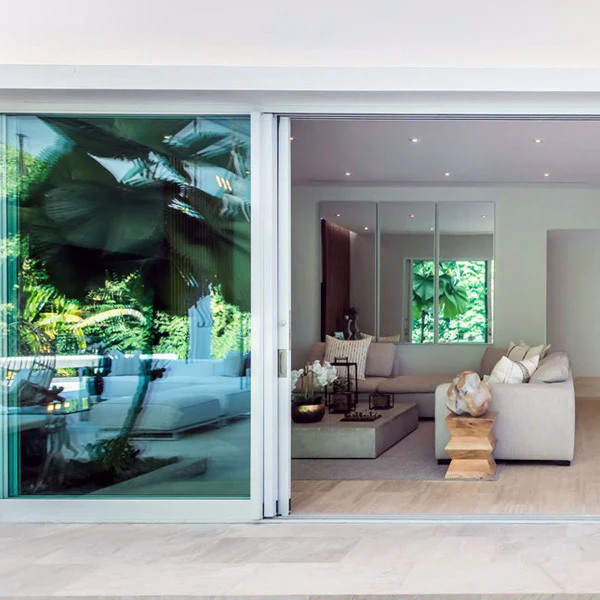
How to Choose the Best Hurricane Door for Your Home
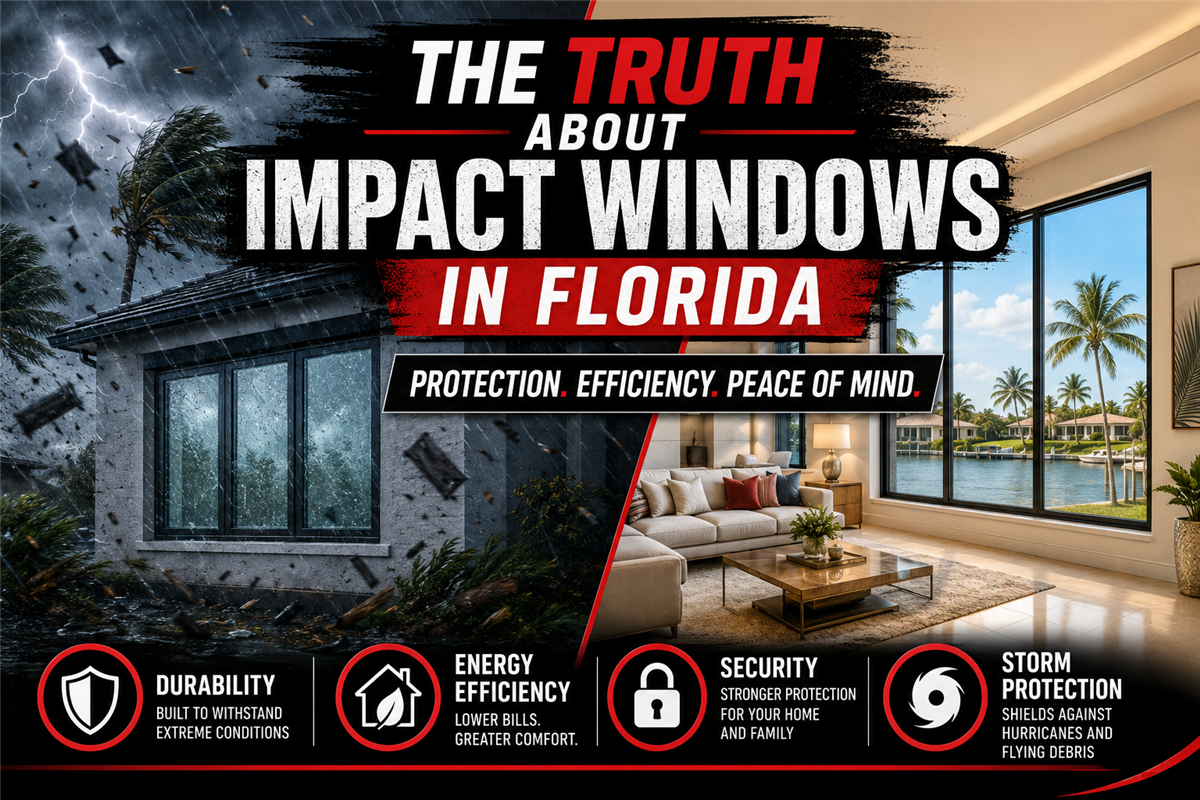
Living in South Florida means preparing your home for hurricane season, strong winds, heavy rain, and year-round weather exposure. One of the smartest upgrades homeowners can make is installing a hurricane door designed for this kind of environment.
But not all hurricane doors are the same. The right choice depends on more than just appearance. You also need to look at ratings, materials, frame strength, installation quality, and whether the specific product is actually approved for Florida conditions. Miami-Dade County and the Florida Product Approval system both maintain approval frameworks for building products used in hurricane-prone areas.
This guide breaks down what homeowners should actually look for when choosing the best hurricane door for a South Florida home.
Quick Answer: What Should You Look For in a Hurricane Door?
The best hurricane door for your home should have:
- Florida-appropriate product approval
- Impact-resistant glass if the door includes glass
- Strong wind-pressure performance
- A durable material suited to South Florida conditions
- Reinforced frames and quality locking hardware
- Professional installation
In other words, the best door is not just the best-looking one. It is the one that fits your home, your exposure level, and the performance demands of your location.
Why Hurricane Doors Matter More in South Florida
In some places, exterior doors are mostly a style choice. In South Florida, they are also part of your storm-protection strategy.
Homes here deal with:
- Hurricane-force winds
- Flying debris during storms
- Heavy rain and moisture intrusion risk
- Heat, humidity, and strong UV exposure
That is why many homeowners compare impact doors and impact doors vs. regular doors before making a final decision. Statewide’s own door pages position impact doors as protection against both storms and break-ins, not just a cosmetic upgrade.
1. Look for Florida Product Approval or Miami-Dade Approval
This should be one of the first things you check.
In South Florida, the exact door system matters. A hurricane door should be backed by the appropriate product approval documentation for the intended application. Florida’s Product Approval database and Miami-Dade County’s Product Control system are both used to verify approved products and their limitations of use.
Why this matters
A door can look strong and still be the wrong choice for your home if it does not have the right tested approval for the opening, configuration, and exposure.
What homeowners should ask
- Does this exact door system have Florida Product Approval or Miami-Dade approval?
- Is it approved for my type of opening and wind zone?
- Are there any limitations of use I should know about?
2. Choose Impact-Resistant Glass
If your hurricane door includes glass, that glass should be impact-resistant.
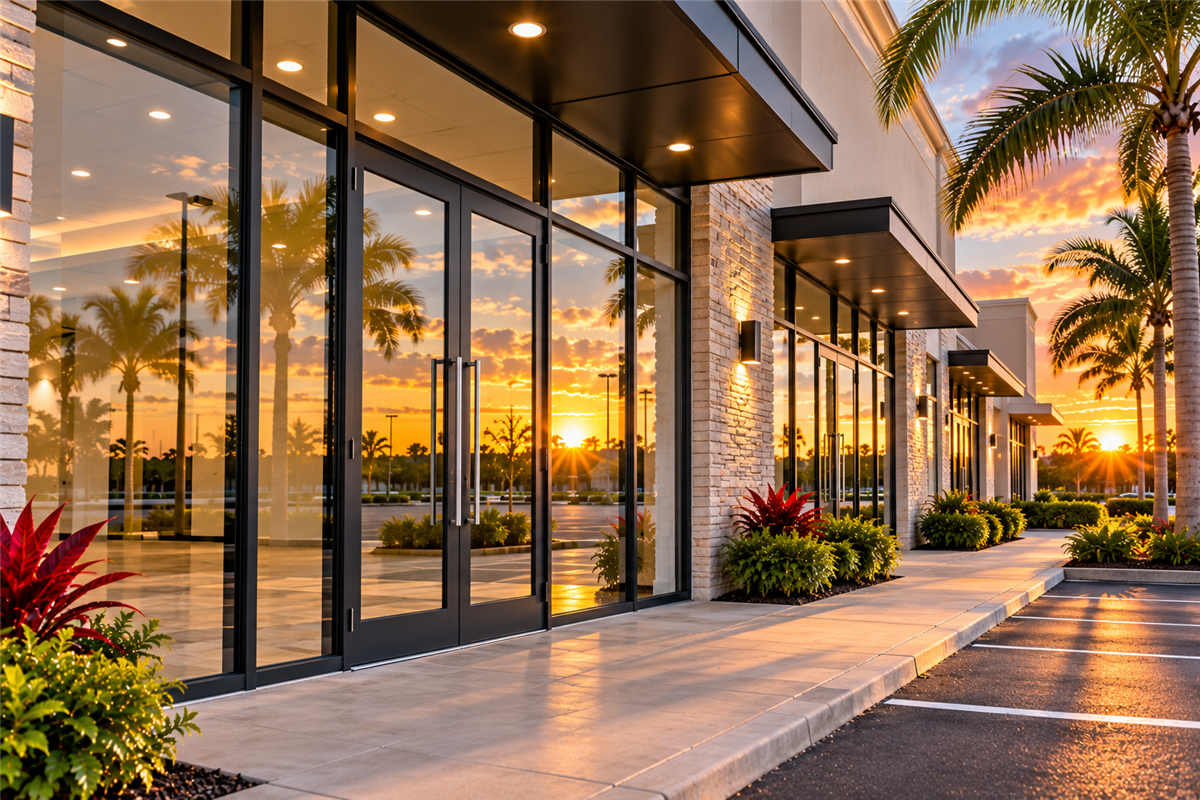
Impact glass typically uses a laminated construction designed to stay together even if struck. That is one of the main ways impact doors help protect a home during severe storms. Statewide’s impact-door and local service pages describe these systems as using reinforced frames and impact-resistant glass to withstand hurricane-level winds and flying debris.
If you are still comparing products more broadly, it also helps to review whether impact doors are worth it in South Florida.
3. Check the Wind-Pressure Performance
Homeowners often hear terms like PG rating or design pressure, but they do not always know what those mean.
In simple terms, these ratings help show how much wind load and structural pressure a door system is designed to handle. That is especially important in coastal South Florida areas where storm exposure can be more severe. Statewide’s recent hurricane-door blog also highlights PG and DP ratings as key comparison points.
What matters in the real world
The “best” rating depends on your home’s location, exposure, and opening size. A more exposed home near the coast may justify a stronger-rated system than a more protected inland property.
4. Pick the Right Door Material
The material affects durability, maintenance, appearance, and how the door performs in South Florida conditions.
Fiberglass
Fiberglass doors are popular because they resist moisture well, handle humidity better than some traditional materials, and are relatively low maintenance. Statewide markets fiberglass doors specifically around South Florida heat protection.
Steel
Steel doors are often chosen for strength and security. They can be a strong fit for homeowners prioritizing a more solid-feeling entry system.
Aluminum-Framed Systems
Aluminum-framed hurricane and impact doors are common in South Florida because they pair well with large glass areas and can offer strong structural support in storm-oriented applications.
The best material depends on your home style, your maintenance preferences, and the type of opening you are working with.
5. Do Not Ignore the Frame and Hardware
A hurricane door is only as strong as the full system around it.
That includes:
- The frame
- The hinges
- The threshold
- The locking hardware
Many stronger systems use multi-point locking hardware to help keep the door more secure and better sealed during wind events. Homeowners sometimes focus on the glass and forget that the frame and hardware matter just as much.
6. Consider Energy Efficiency Too
In South Florida, storm protection is the priority, but energy performance still matters. Many impact and hurricane doors are also built with insulated glass and tighter seals that can help reduce heat transfer and improve indoor comfort.
If you care about that side of the decision too, it makes sense to review Statewide’s energy-efficiency page alongside the door options.
7. Choose a Style That Fits Your Home
You do not have to choose between protection and appearance.
Hurricane doors come in several styles, including:
- Single entry doors
- Double doors
- Sliding glass doors
- French doors
The goal is to choose a door that fits the architecture of the home while still meeting the performance needs of the opening.
8. Professional Installation Is Non-Negotiable
Even a strong hurricane door can underperform if it is installed poorly.
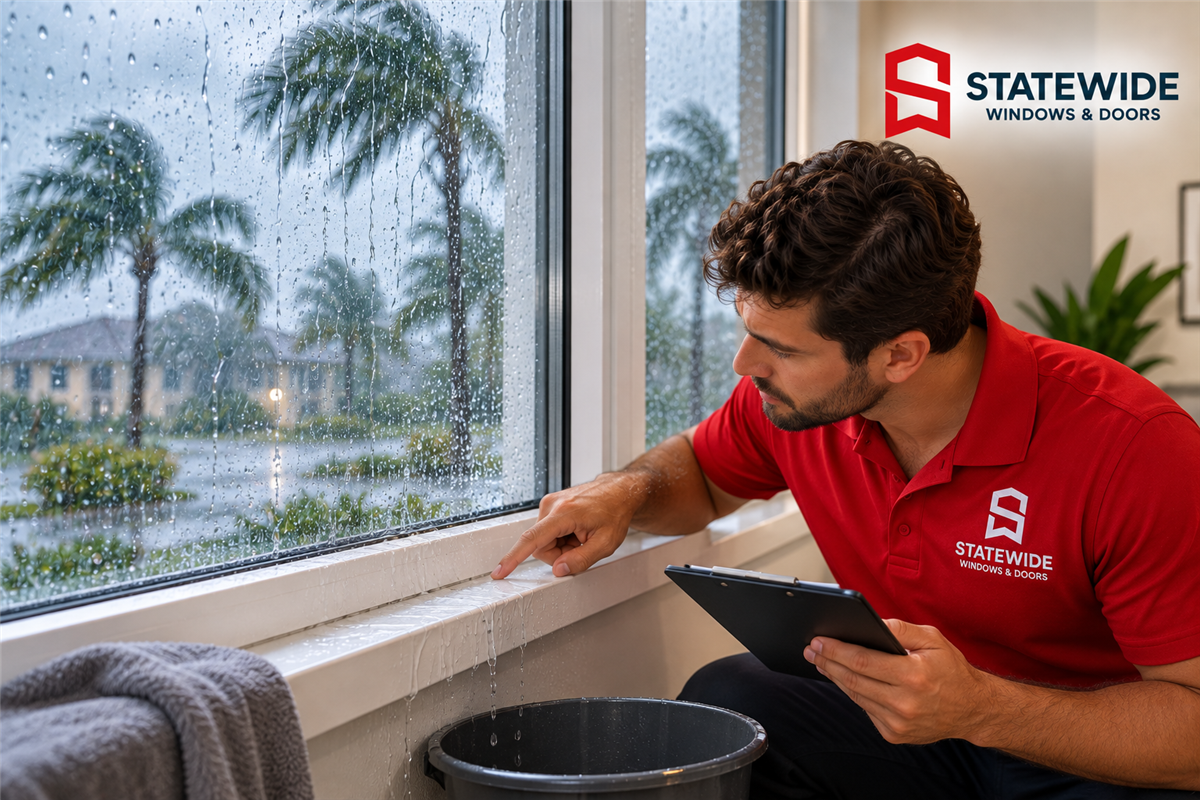
Statewide’s installation and local service pages emphasize proper anchoring, airtight installation, and sealing against drafts and water intrusion as major parts of long-term performance.
That is why professional door installation should always be part of the decision—not an afterthought.
What to look for in an installer
- Experience with South Florida projects
- Clear explanation of product approvals and ratings
- Confidence discussing anchoring, sealing, and code compliance
- A process that feels professional from estimate to final walkthrough
What Most Homeowners Don’t Realize
The exact product matters more than the category name
Not every “hurricane door” is the same. The specific model, glass package, frame, and approval all matter.
The approval is for the system, not just the idea
Florida approval and Miami-Dade approval apply to specific tested products and configurations, not just general marketing language.
The cheapest quote may not be the best fit
In a hurricane-prone market, performance fit and installation quality usually matter more than just finding the lowest price.
FAQ: Choosing a Hurricane Door
What is the most important thing to check first?
Start with Florida Product Approval or Miami-Dade approval for the exact door system you are considering.
Do all hurricane doors have impact glass?
If the door includes glass, impact-resistant laminated glass is typically what homeowners want for severe-weather protection.
What matters more: the door slab or the frame?
Both matter. The full system—including frame, hardware, and installation—determines how the door performs.
Are fiberglass doors good for South Florida?
They can be. Fiberglass is popular for humid environments because it is durable and relatively low maintenance.
Do I need a professional installer?
Yes. Proper anchoring and sealing are a major part of hurricane-door performance.
Bottom Line
The best hurricane door for your home is the one that matches your opening, your exposure level, your design preferences, and your performance needs—not just the one with the nicest brochure.
For South Florida homeowners, the smartest path is usually to focus on:
- Verified product approval
- Impact-resistant glass
- Strong wind-pressure performance
- Durable materials
- Quality installation
When those pieces come together, you end up with a door that looks right, performs right, and helps protect your home when it matters most.
Subscribe to Statewide Windows & Doors's Blog



Comments