 Free Estimate
What Insurance Won’t Cover After a Storm
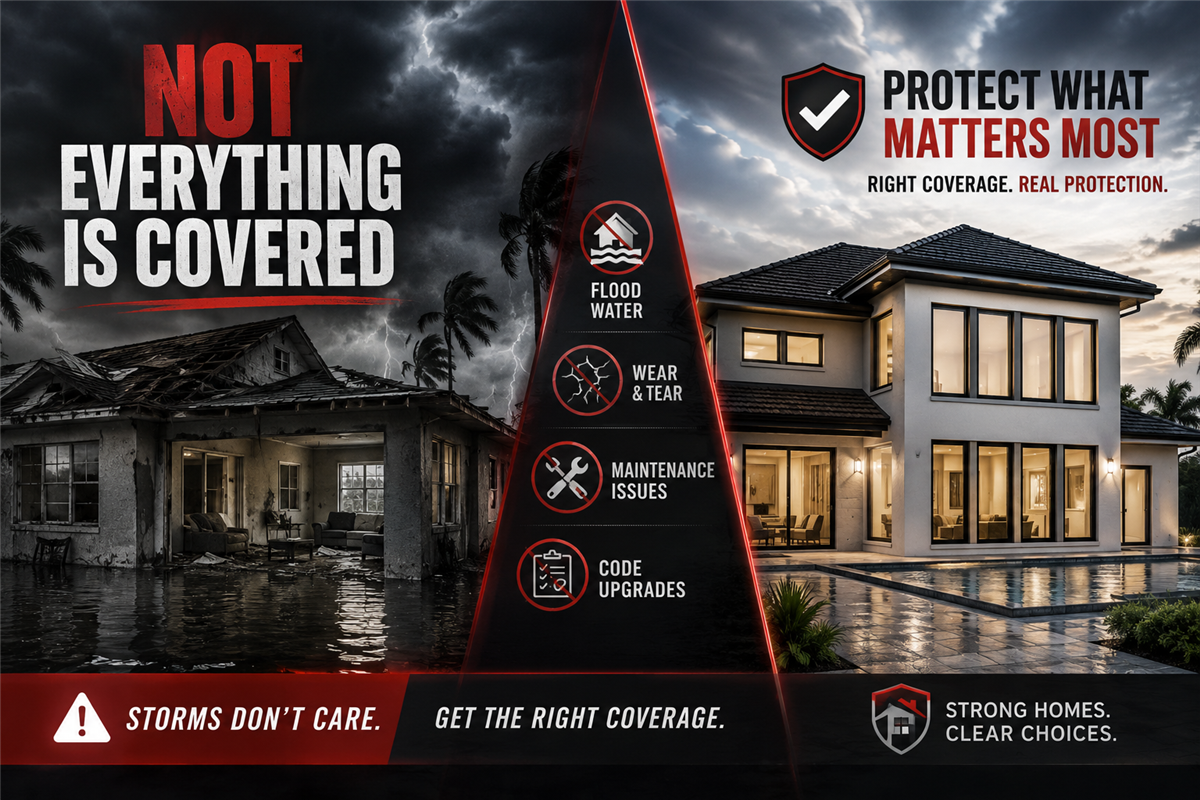
After a storm hits Florida, many homeowners rely on insurance to cover the damage. But what surprises most people is this: not everything is covered.
Understanding what your insurance policy doesn’t cover is just as important as knowing what it does—especially in a state prone to hurricanes and severe weather.
If you're protecting your home with impact windows or upgrades, here’s what you need to know about potential coverage gaps.
Quick Answer: What Insurance Typically Won’t Cover
- Damage due to lack of maintenance
- Flooding (without separate flood insurance)
- Gradual wear and tear
- Code upgrade costs (in some policies)
Bottom line: Insurance covers sudden damage—not preventable or long-term issues.
1. Damage Caused by Poor Maintenance
Insurance companies expect homeowners to properly maintain their property.
If damage is linked to neglect, claims may be denied.
Examples include:
- Old or deteriorating roofs
- Unrepaired leaks
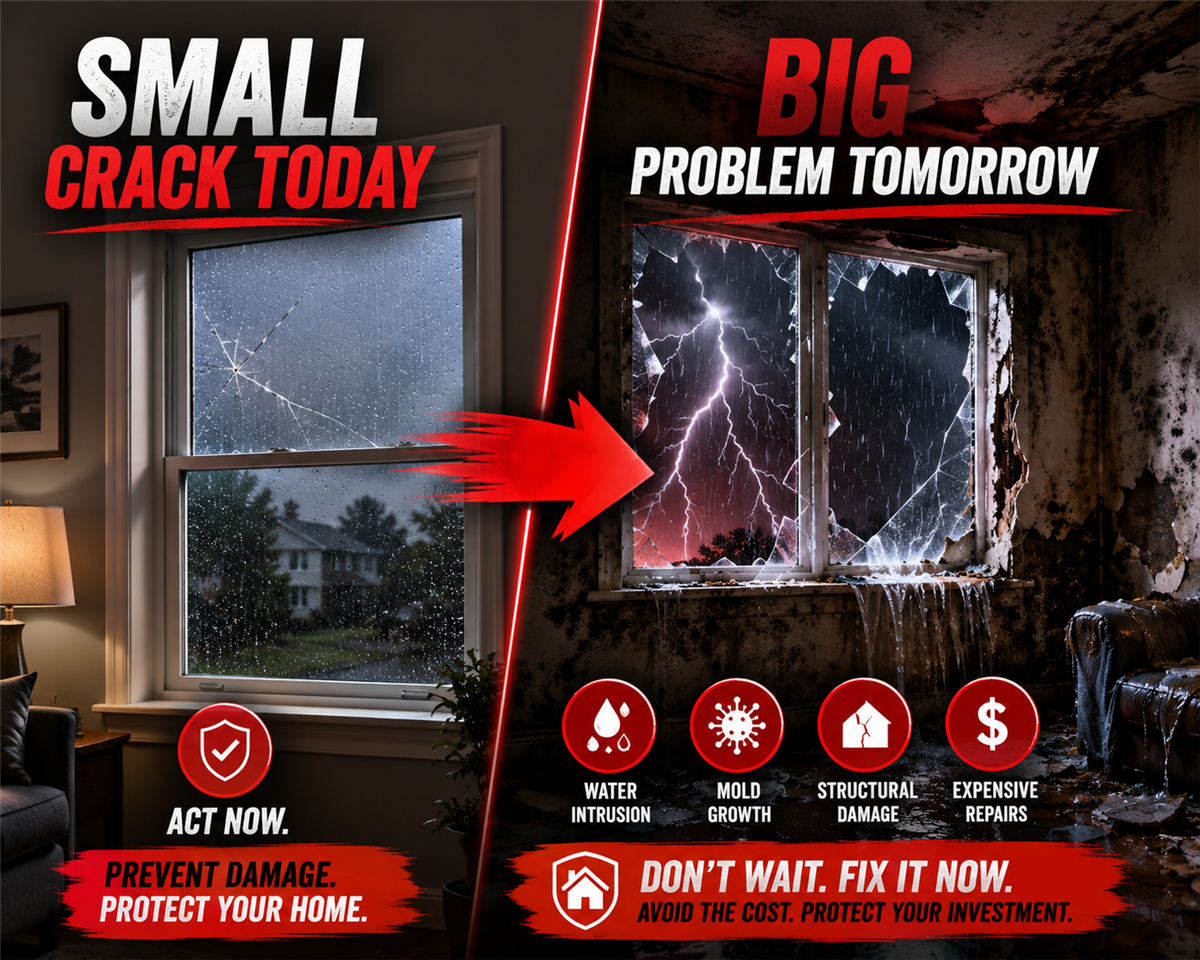
- Damaged or outdated windows and doors
Even after a storm, insurers may argue the damage was preventable.
2. Flood Damage (Without Flood Insurance)
One of the biggest misconceptions is that homeowners insurance covers flooding.
In most cases:
- Flood damage is NOT covered
- Requires a separate flood insurance policy
This includes:
- Rising water from storms
- Storm surge during hurricanes
Without proper coverage, these damages can be extremely costly.
3. Gradual Damage and Wear & Tear
Insurance is designed for sudden events—not long-term deterioration.
Claims may be denied for:
- Slow roof leaks
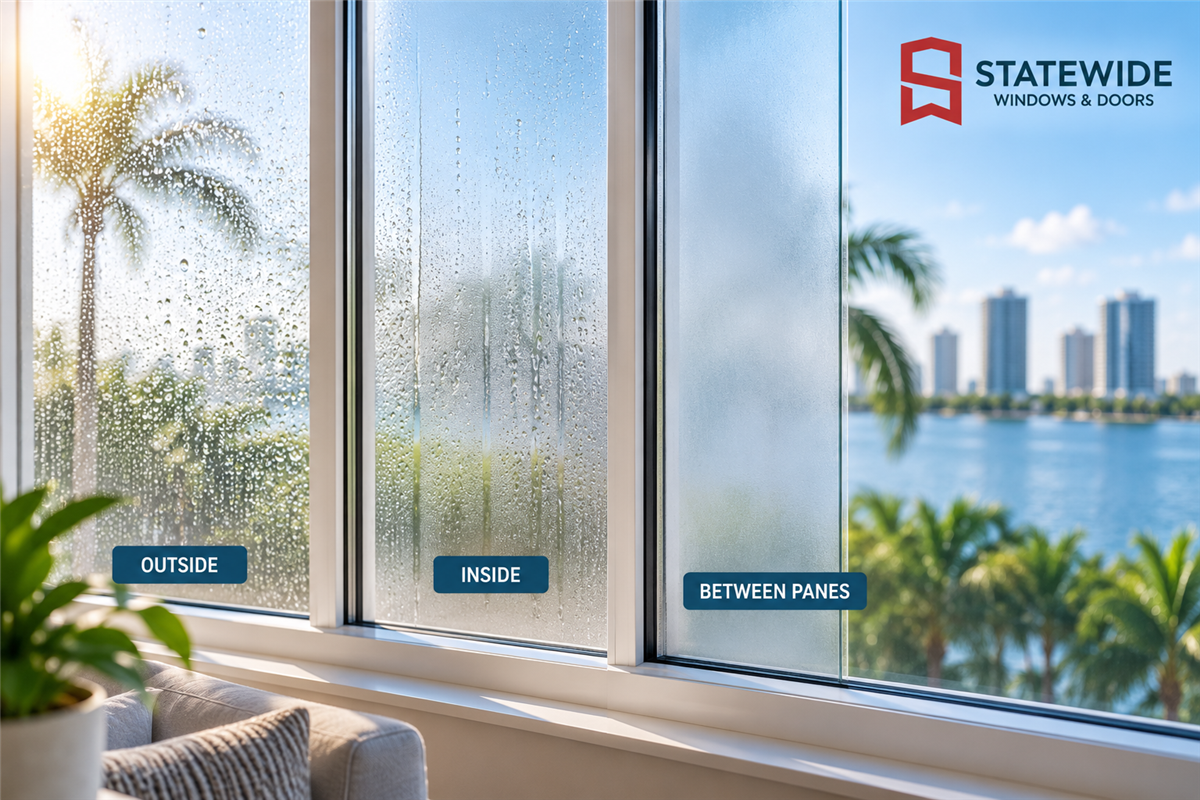
- Window seal failure over time
- Moisture buildup or mold from ongoing issues
Even if discovered after a storm, these may not qualify for coverage.
4. Code Upgrade Costs
If your home is damaged, rebuilding to current code may cost more than your original construction.
However:
- Standard policies may not cover these upgrades
- You may need “ordinance or law” coverage
This can impact:
- Roof replacements
- Window and door upgrades
- Structural improvements
5. High Deductibles for Hurricane Damage
Many Florida policies include separate hurricane deductibles.
This means:
- You may pay more out of pocket before coverage applies
- Deductibles are often based on home value (percentage-based)
This can significantly affect how much you actually receive.
6. Damage to Older or Non-Compliant Features
If parts of your home aren’t up to code, coverage may be limited.
This includes:
- Outdated windows or doors
- Older roofing systems
- Non-compliant structural elements
Upgrading to modern systems can reduce this risk.
7. Interior Damage From Openings
If wind enters your home through a broken window or door, resulting damage may be questioned.
Insurance companies may evaluate:
- Whether the opening was properly protected
- If the failure was preventable
Proper installation and protection systems help minimize these risks.
What Most Homeowners Don’t Realize
Insurance doesn’t cover everything
Policies have limitations and exclusions that can impact claims.
Preventative upgrades matter
Strong windows, doors, and roofing can reduce damage and disputes.
Documentation is key
Maintenance records and inspections can support your claim.
How to Protect Yourself
To reduce risk and avoid coverage gaps:
- Review your insurance policy regularly
- Consider additional coverage (like flood insurance)
- Upgrade to impact-resistant features
- Maintain your home consistently
Being proactive can make a major difference after a storm.
What This Means for Your Home
After a storm, insurance can help—but it won’t cover everything.
Understanding these limitations allows you to better prepare, reduce risk, and avoid unexpected costs.
In Florida, protecting your home isn’t just about having insurance—it’s about combining coverage with smart upgrades, proper maintenance, and long-term planning.
Subscribe to Statewide Windows & Doors's Blog



Comments