 Free Estimate
Why Some Homes Get More Hurricane Damage Than Others
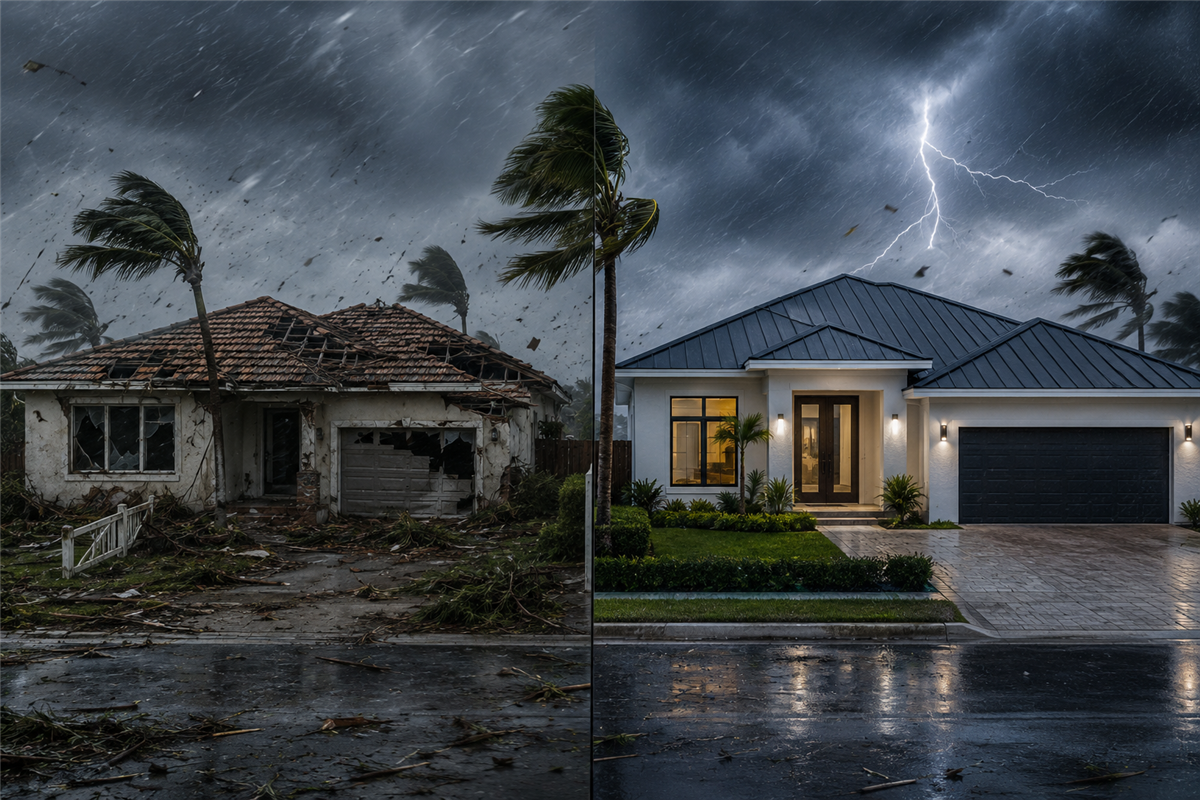
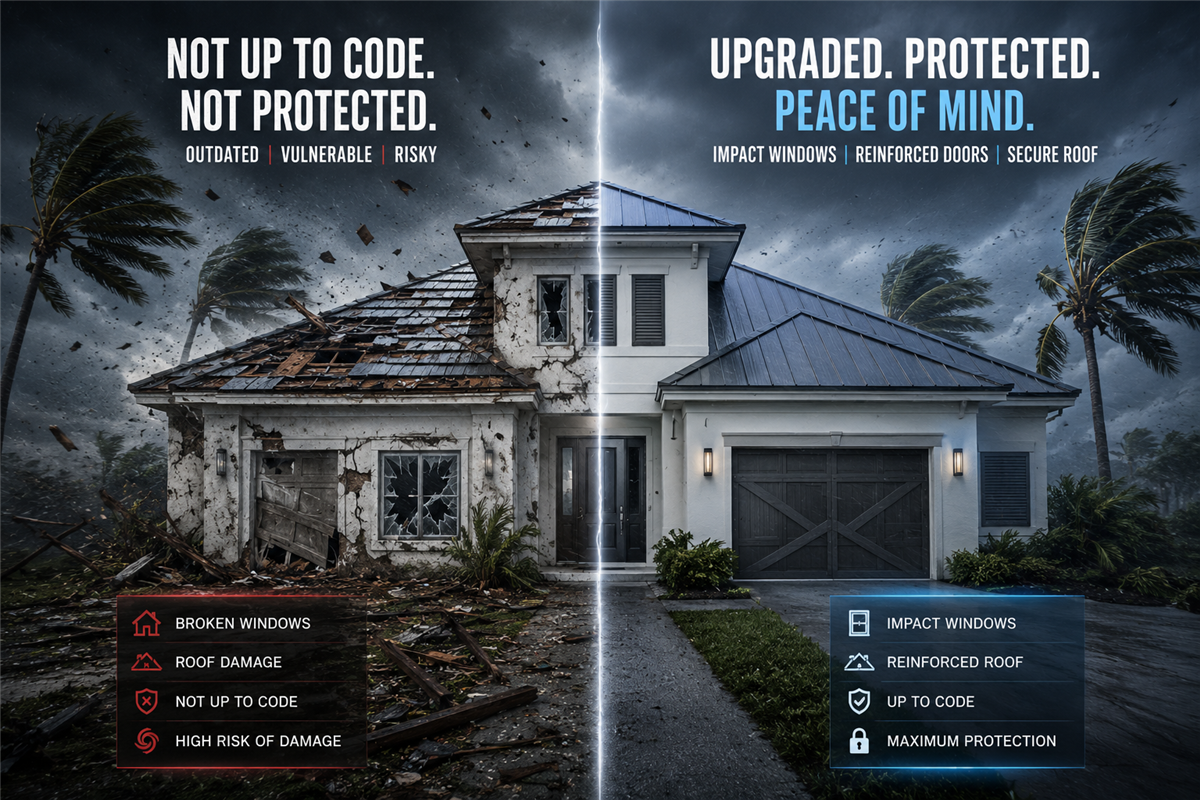
After a hurricane passes through Florida, it’s common to see one home severely damaged while a neighboring property remains relatively untouched. This raises an important question: Why do some homes experience more hurricane damage than others?
The answer comes down to a combination of construction quality, materials, upgrades, and how well the home is prepared for extreme weather.
If you're upgrading your home with impact windows or doors, understanding these differences can help you better protect your property.
Quick Answer: Why Do Some Homes Get More Damage?
- Outdated construction or not up to current building codes
- Weaker materials or poor installation
- Vulnerable entry points like windows, doors, and roof
- Lack of hurricane-resistant upgrades
Bottom line: Homes built or upgraded for hurricane protection perform significantly better during storms.
1. Building Code Compliance
One of the biggest factors is whether a home meets current Florida building codes.
Homes built before modern hurricane standards may lack:
- Proper structural reinforcement
- Wind-resistant materials
- Required safety features
Newer or upgraded homes are designed specifically to withstand hurricane conditions.
2. Quality of Windows and Doors
Windows and doors are among the most vulnerable parts of any home.
If they fail during a hurricane:
- Wind can enter the home
- Internal pressure builds up
- Roof and structural failure can occur
Impact-resistant systems are designed to prevent this type of damage.
3. Roof Strength and Design
Your roof plays a major role in how your home handles a hurricane.
Key factors include:
- Material (metal, tile, shingles)
- Installation quality
- Roof shape (hip roofs perform better than gable roofs)
A well-built roof is far less likely to fail under high winds.
4. Installation Quality Matters
Even the best materials won’t perform if they’re installed incorrectly.
Proper installation ensures:
- Secure anchoring of windows, doors, and roofing
- Proper sealing against water intrusion
- Compliance with local building codes
Poor installation is one of the leading causes of hurricane damage.
5. Weak Points in the Home
Hurricanes often exploit the weakest part of a structure.
Common weak points include:
- Garage doors
- Roof edges and corners
- Older windows and entry doors
If one area fails, it can compromise the entire home.
6. Materials and Upgrades
Homes with modern, hurricane-resistant materials perform better during storms.
These include:
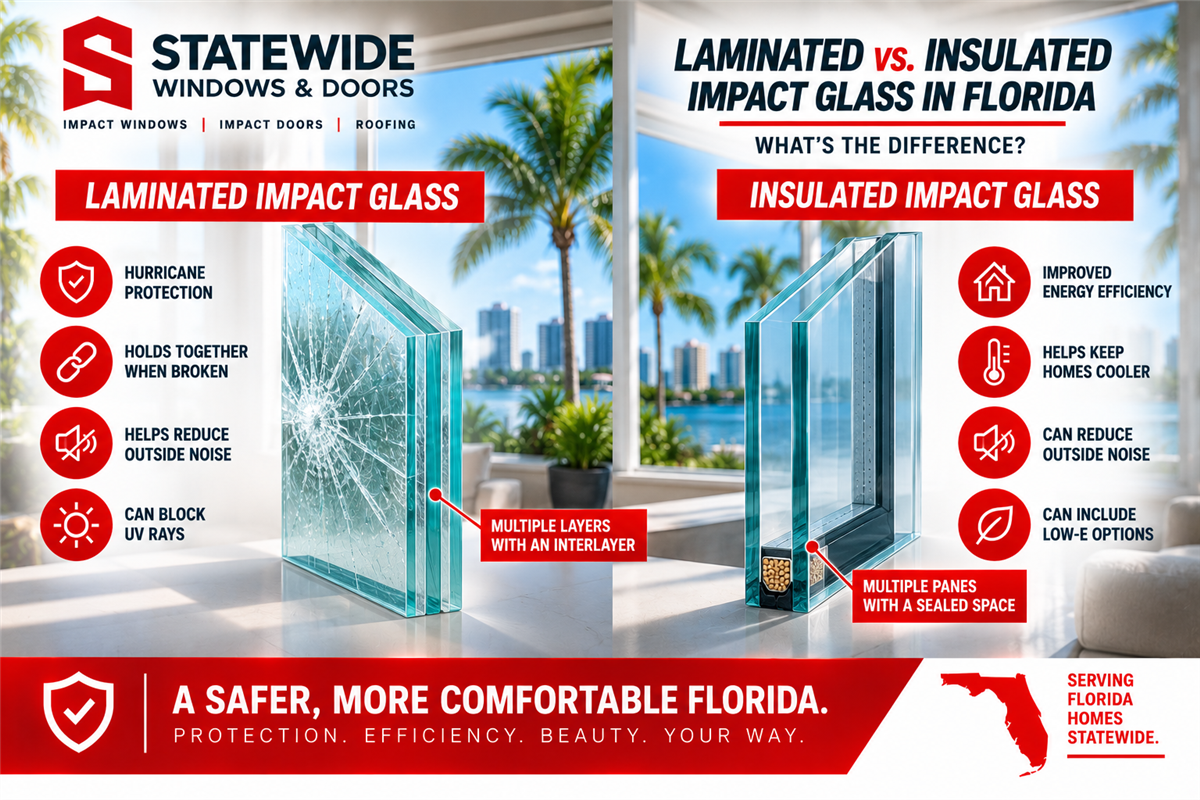
- Impact-resistant glass
- Reinforced roofing systems
- Secondary water barriers
Upgrades significantly reduce the risk of major damage.
7. Surroundings and Exposure
A home’s location and surroundings also affect damage levels.
Factors include:
- Exposure to wind (open areas vs sheltered neighborhoods)
- Nearby trees or debris sources
- Elevation and flood risk
Homes with more exposure are naturally at higher risk.
What Most Homeowners Don’t Realize
One upgrade can make a big difference
Improving even a single weak point can significantly increase protection.
Damage often starts small
A broken window or loose shingle can lead to major structural failure.
Preparation matters more than luck
Homes that are properly upgraded consistently perform better.
What This Means for Your Home
The difference between severe hurricane damage and minimal impact often comes down to preparation, materials, and proper installation.
Homes that are up to code and equipped with impact-resistant features are far more likely to withstand Florida’s extreme weather conditions.
By identifying weak points and investing in the right upgrades, you can significantly reduce your risk and better protect your home, your investment, and your peace of mind.
Subscribe to Statewide Windows & Doors's Blog



Comments