 Free Estimate
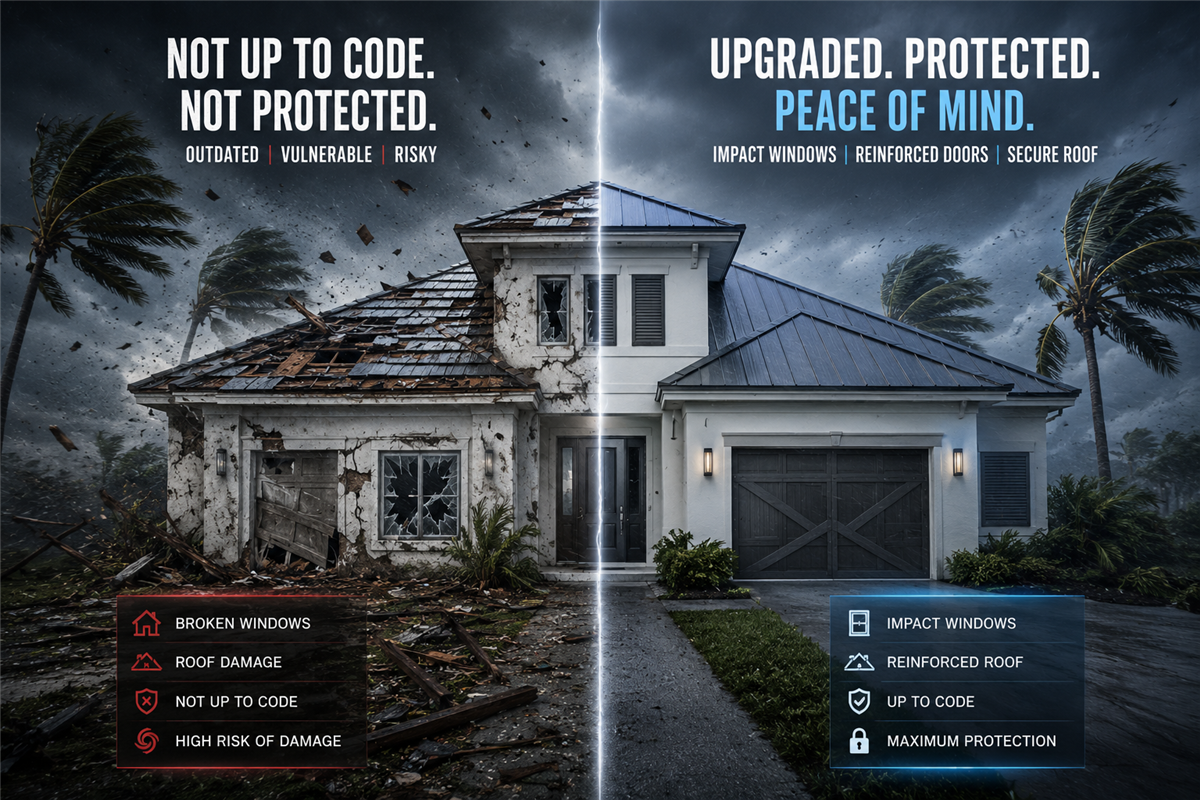
What Happens If Your Home Isn’t Up to Code During a Hurricane?
In Florida, building codes aren’t just guidelines—they’re designed to protect your home from hurricanes and extreme weather. But what happens if your home isn’t up to code when a storm hits?
The reality is serious: homes that don’t meet current building standards are far more vulnerable to damage, costly repairs, and even safety risks.
If you're upgrading your home with impact windows or doors, understanding code compliance is essential for long-term protection.
Quick Answer: What If Your Home Isn’t Up to Code?
- Higher risk of structural damage during hurricanes
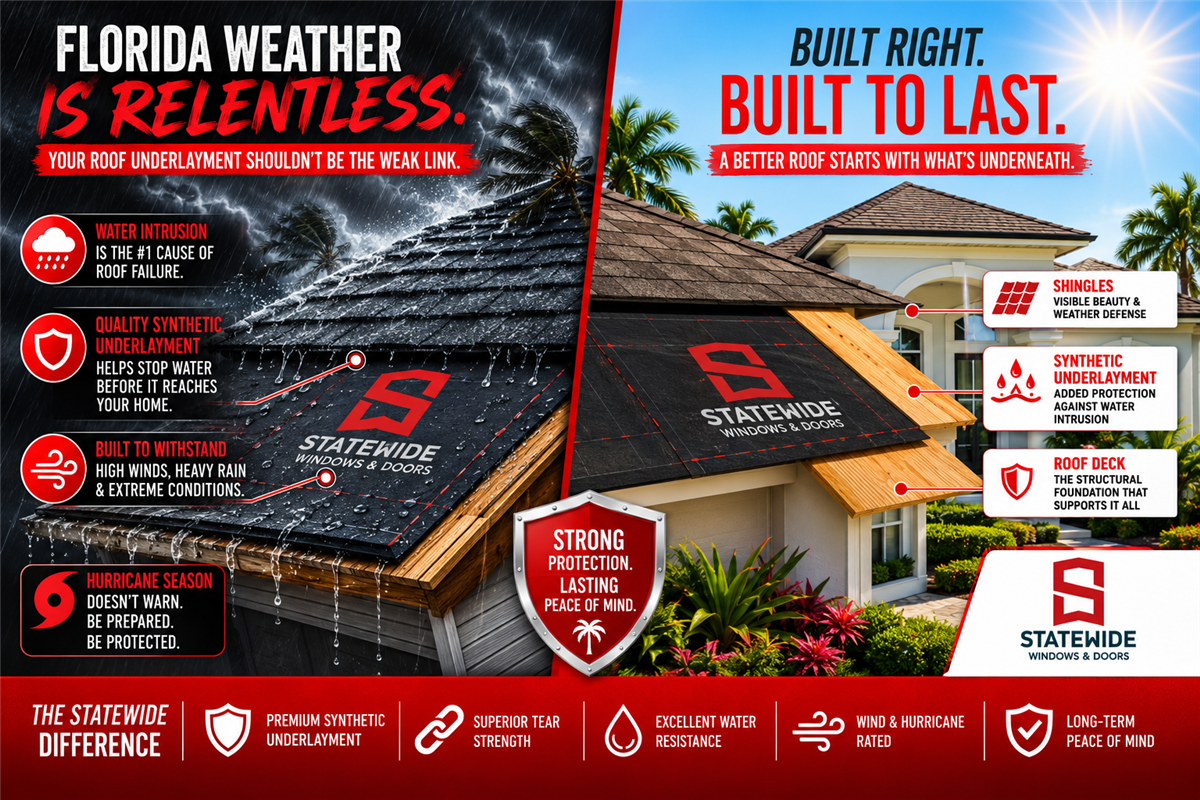
- Increased likelihood of water intrusion and roof failure
- Potential insurance issues or denied claims
Bottom line: Building codes exist for a reason—ignoring them can put your home and finances at risk.
1. Increased Risk of Structural Damage
Homes that don’t meet current codes are not designed to handle modern hurricane standards.
This can lead to:
- Roof uplift or failure
- Wall and structural damage
- Compromised foundation connections
Newer codes are specifically designed to prevent these types of failures.
2. Doors and Windows Are More Likely to Fail
Outdated or non-compliant doors and windows are one of the biggest vulnerabilities.
During a hurricane:
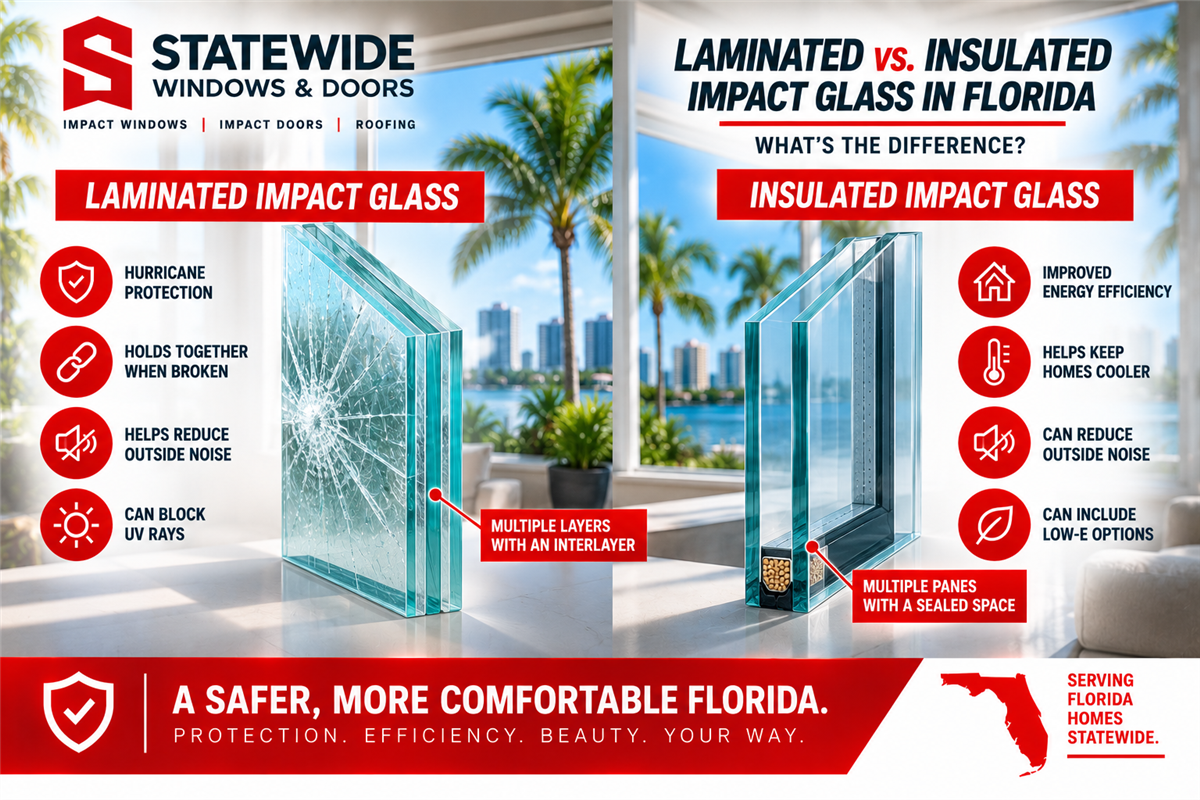
- Standard glass can shatter from debris
- Openings allow wind to enter the home
- Internal pressure can cause major structural damage
Upgrading to code-compliant systems significantly reduces this risk.
3. Water Intrusion and Interior Damage
If your home isn’t sealed and protected properly, water can enter quickly.
This can result in:
- Ceiling and wall damage
- Mold growth
- Electrical hazards
Code-compliant construction helps prevent these issues.
4. Insurance Complications
Insurance companies often consider building code compliance when evaluating claims.
If your home isn’t up to code:
- Claims may be reduced or denied
- Premiums may be higher
- Coverage options may be limited
This can significantly impact your financial recovery after a storm.
5. Failure to Meet Wind Resistance Standards
Florida building codes include strict wind resistance requirements.
Homes that don’t meet these standards may:
- Experience roof or structural failure at lower wind speeds
- Sustain more extensive damage during storms
Modern codes are designed based on real hurricane data.
6. Missed Safety Upgrades
Older homes often lack critical safety features required today.
These may include:
- Hurricane straps or clips
- Secondary water barriers
- Impact-resistant openings
These upgrades play a major role in protecting your home.
7. Long-Term Cost Consequences
While updating your home to meet code requires investment, not doing so can cost more over time.
Potential costs include:
- Major storm damage repairs
- Repeated maintenance issues
- Decreased property value
Code compliance is a long-term investment in protection.
How to Bring Your Home Up to Code
Improving your home’s compliance can include:
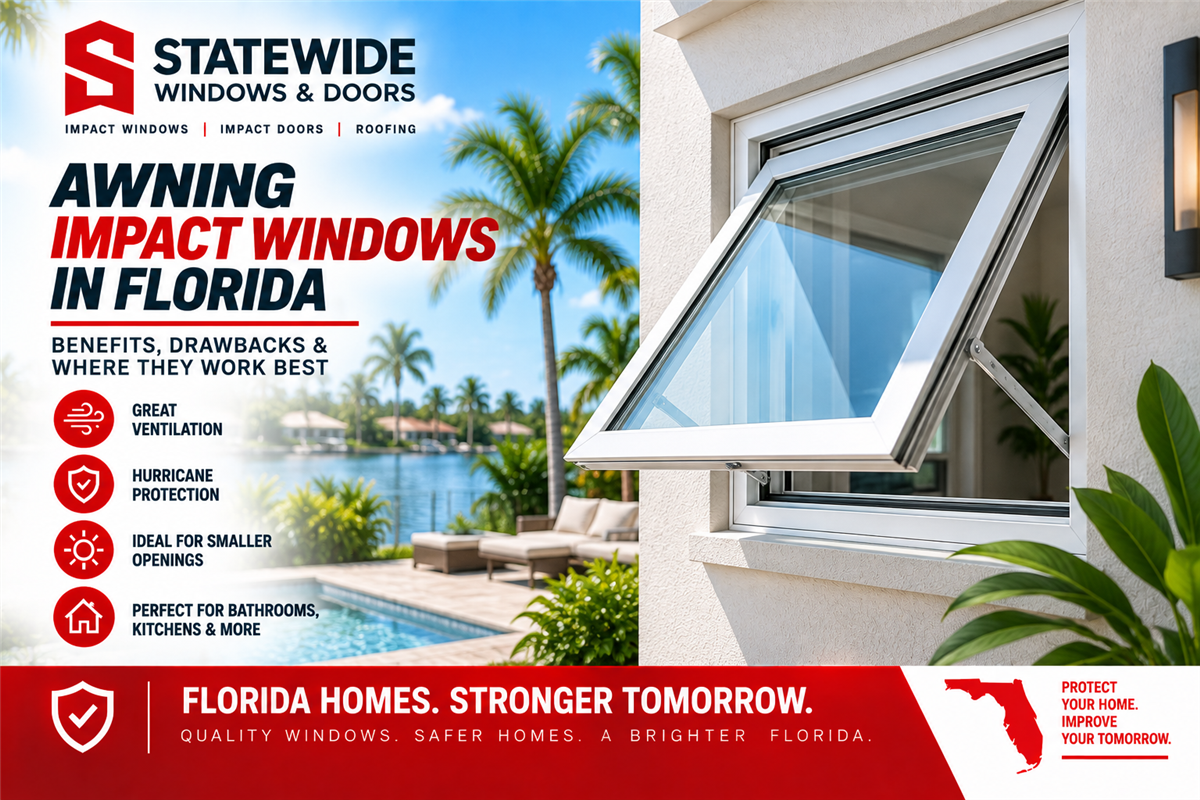
- Upgrading windows and doors to impact-rated systems
- Reinforcing your roof structure
- Adding proper sealing and waterproofing
Professional installation ensures all upgrades meet Florida standards.
What Most Homeowners Don’t Realize
Older homes are often the most at risk
Building codes have improved significantly over time.
One weak point can cause major failure
Doors, windows, or roofing issues can compromise the entire structure.
Upgrades can reduce insurance costs
Code-compliant improvements may qualify for discounts.
What This Means for Your Home
If your home isn’t up to code, it’s far more vulnerable during a hurricane—physically and financially.
Bringing your home up to current standards isn’t just about compliance—it’s about protecting your investment, your property, and your safety.
In Florida, being prepared means building smarter. And that starts with making sure your home meets the standards designed to withstand the storm.
Subscribe to Statewide Windows & Doors's Blog

Comments