 Free Estimate
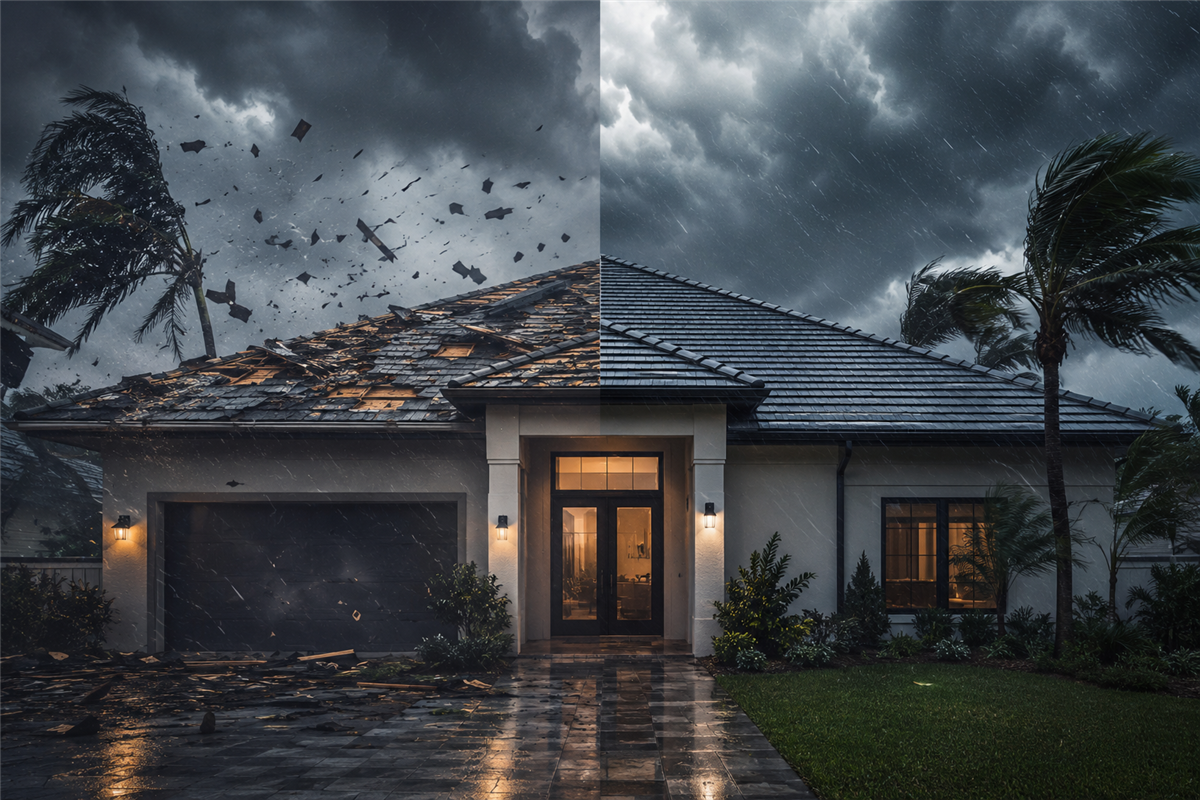
Can Hurricanes Rip Off a New Roof?
Many Florida homeowners assume that installing a new roof means complete protection during hurricane season. But an important question remains: Can a hurricane actually rip off a new roof?
The answer is yes—even a new roof can fail under extreme conditions if it’s not built and installed correctly.
If you're upgrading your home along with impact windows or doors, here’s what you need to know about roof performance during hurricanes.
Quick Answer: Can a Hurricane Rip Off a New Roof?
- Yes: Even new roofs can be damaged or torn off in severe storms
- Performance depends on materials, installation, and wind resistance
- Proper construction and code compliance significantly reduce risk
Bottom line: A new roof is only as strong as how well it’s built and installed.
1. Hurricane Winds Can Exceed Roof Limits
Hurricanes can produce winds exceeding 100–150+ mph, which puts extreme pressure on your roof.
These forces can:
- Lift shingles or tiles
- Break roof decking
- Completely tear sections off
If the roof system isn’t properly secured, even new materials can fail.
2. Installation Quality Is the #1 Factor
The biggest reason roofs fail during hurricanes is improper installation.
Critical installation factors include:
- Proper nailing patterns and fasteners
- Secure attachment to the roof deck
- Correct sealing and underlayment
Even high-end materials won’t perform if installation is poor.
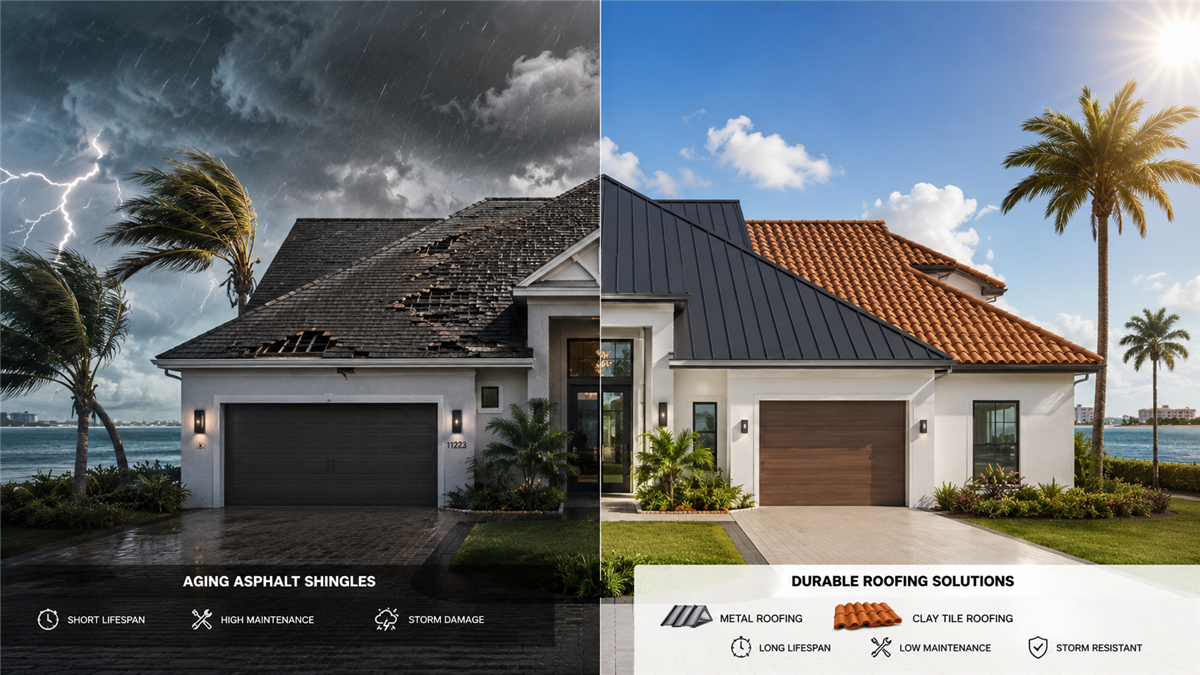
3. Not All Roofing Materials Perform the Same
Different materials offer different levels of hurricane resistance.
- Metal roofs: Highly wind-resistant when installed correctly
- Tile roofs: Durable but individual tiles can loosen
- Shingle roofs: More vulnerable to uplift and damage
Choosing the right material plays a major role in performance.
4. Roof Design and Structure Matter
Your roof’s design also impacts how it handles hurricane winds.
Important factors include:
- Roof pitch and shape
- Connection to walls and structure
- Overall structural integrity
Hip roofs, for example, tend to perform better than gable roofs in high winds.
5. Weak Points Can Lead to Failure
Hurricanes often exploit weak areas of a roof system.
Common failure points include:
- Edges and corners
- Improperly sealed areas
- Poorly secured flashing
Once damage starts, it can spread quickly across the roof.
6. Building Codes Are Designed to Prevent This
Florida building codes are specifically designed to improve roof performance during hurricanes.
These codes require:
- Stronger attachment methods
- Wind resistance ratings
- Inspection and permit compliance
Following these standards significantly reduces the risk of roof failure.
7. Your Roof Is Part of a Larger System
Your roof doesn’t work alone—it’s part of your home’s overall protection system.
For example:
- Doors and windows must remain intact to prevent pressure buildup
- Proper sealing prevents water intrusion
- Structural connections keep everything secure
Professional installation across all components is key.
What Most Homeowners Don’t Realize
New doesn’t always mean hurricane-proof
A roof can be new but still vulnerable if not properly built.
Wind uplift is the biggest threat
Roofs are often lifted off—not just damaged from above.
Small issues can lead to major failure
Once a weak point is exposed, damage can escalate quickly.
What This Means for Your Home
Yes, hurricanes can rip off a new roof—but it’s far less likely when the roof is built with the right materials, installed correctly, and designed to meet Florida’s strict building codes.
Investing in quality installation and a complete protection system—including impact-resistant windows and doors—gives your home the best chance of withstanding severe storms.
In Florida, true protection isn’t just about having a new roof—it’s about having a roof that’s built to last under extreme conditions.
Subscribe to Statewide Windows & Doors's Blog





Comments