 Free Estimate
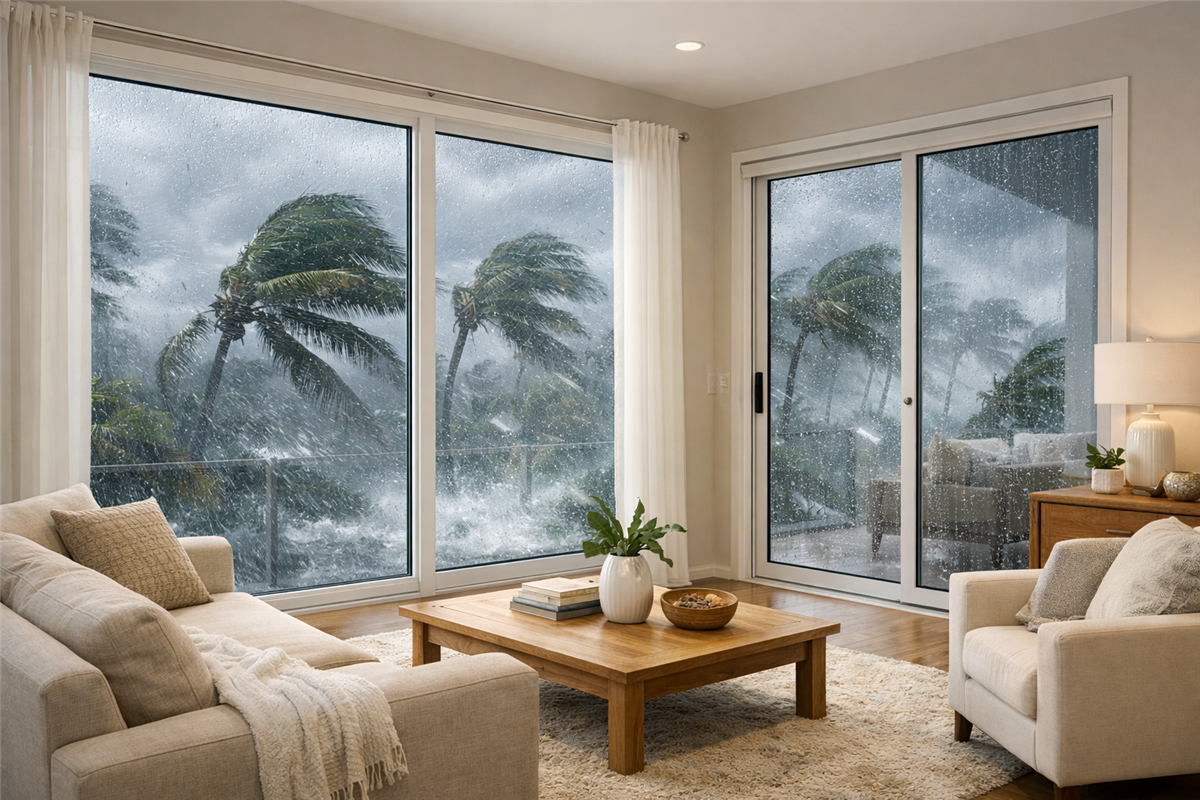
What Is HVHZ and Why It Matters for Your Home
If you own a home in South Florida, you may have heard the term HVHZ—but what does it actually mean, and why is it so important?
HVHZ stands for High-Velocity Hurricane Zone, and it plays a major role in how homes are built, upgraded, and protected in certain parts of Florida. If you're considering impact windows or other improvements, understanding HVHZ is essential.
What Is HVHZ?
The High-Velocity Hurricane Zone (HVHZ) is a designated area in Florida with stricter building codes due to higher hurricane risk.
This zone primarily includes:
- Miami-Dade County
- Broward County
Homes in these areas must meet enhanced standards designed to withstand extreme wind speeds and storm conditions.
Why HVHZ Exists
South Florida has experienced some of the most powerful hurricanes in U.S. history. As a result, building codes were strengthened to improve safety and reduce damage.
HVHZ requirements are designed to protect against:
- Stronger wind loads
- Flying debris
- Heavy rain and pressure changes
These standards are among the strictest in the country.
How HVHZ Affects Your Home
1. Stricter Window and Door Requirements
In HVHZ areas, windows and doors must meet higher performance standards.
This includes:
- Higher design pressure (DP) ratings
- Impact resistance testing
- Miami-Dade Notice of Acceptance (NOA) approval
Not all impact windows qualify—only those approved for HVHZ use.
2. Stronger Installation Standards
Installation in HVHZ areas must follow strict guidelines.
Proper installation includes:
- Specific anchoring methods
- Reinforced fastening systems
- Detailed inspection requirements
This ensures the entire system performs as intended during a storm.
3. Higher Design Pressure Requirements
Homes in HVHZ zones typically require windows with higher DP ratings to handle stronger wind forces.
This helps prevent:
- Window failure under pressure
- Water and air intrusion
- Structural damage
4. Increased Inspection and Permitting
Projects in HVHZ areas often involve:
- More detailed permitting
- Additional inspections
- Strict code compliance checks
This ensures every installation meets safety standards.
What Is Miami-Dade NOA?
The Notice of Acceptance (NOA) is a certification that confirms a product meets HVHZ requirements.
Products with NOA approval have been tested for:
- Impact resistance
- Wind pressure performance
- Water penetration resistance
This is a key factor when choosing windows and doors in South Florida.
What Most Homeowners Don’t Realize
Not all “impact windows” meet HVHZ standards
Some products are approved for general use but not for HVHZ areas.
Installation is just as important as the product
Even HVHZ-rated windows can fail if installed incorrectly.
Code compliance protects more than just your home
It can also affect insurance eligibility and long-term property value.
Why HVHZ Matters for Protection
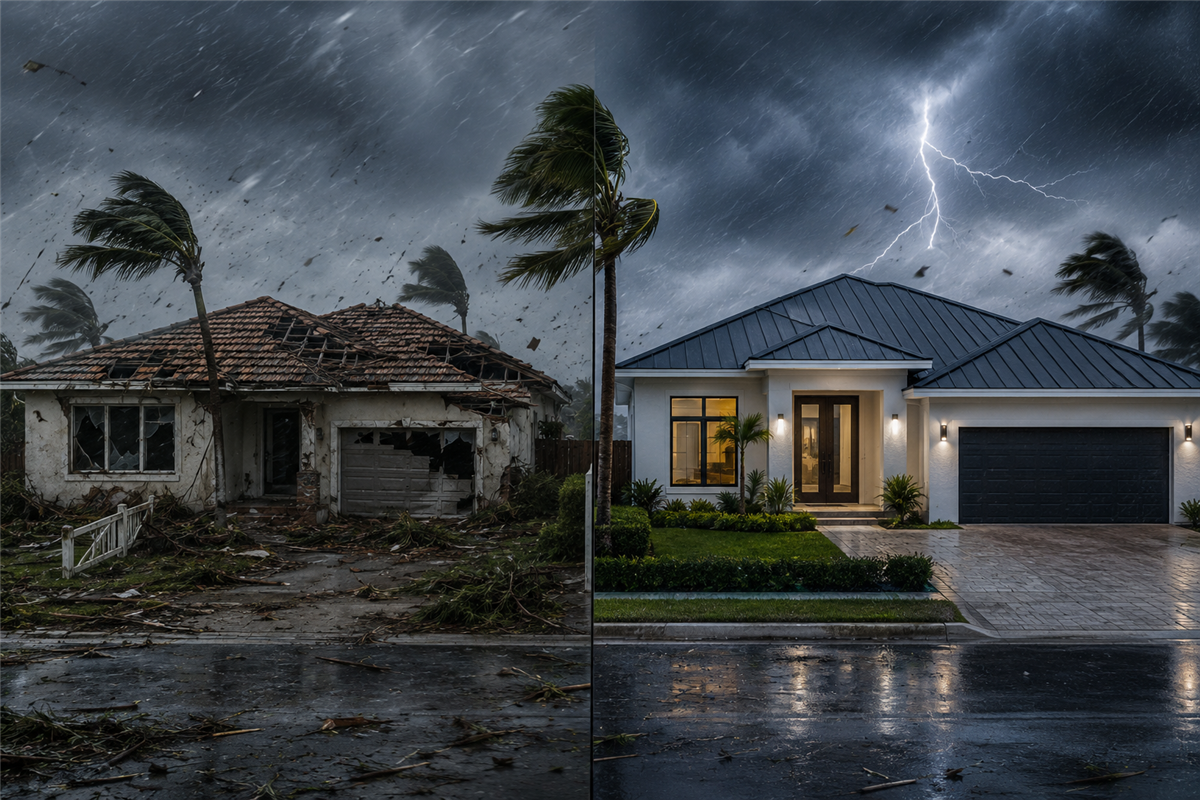
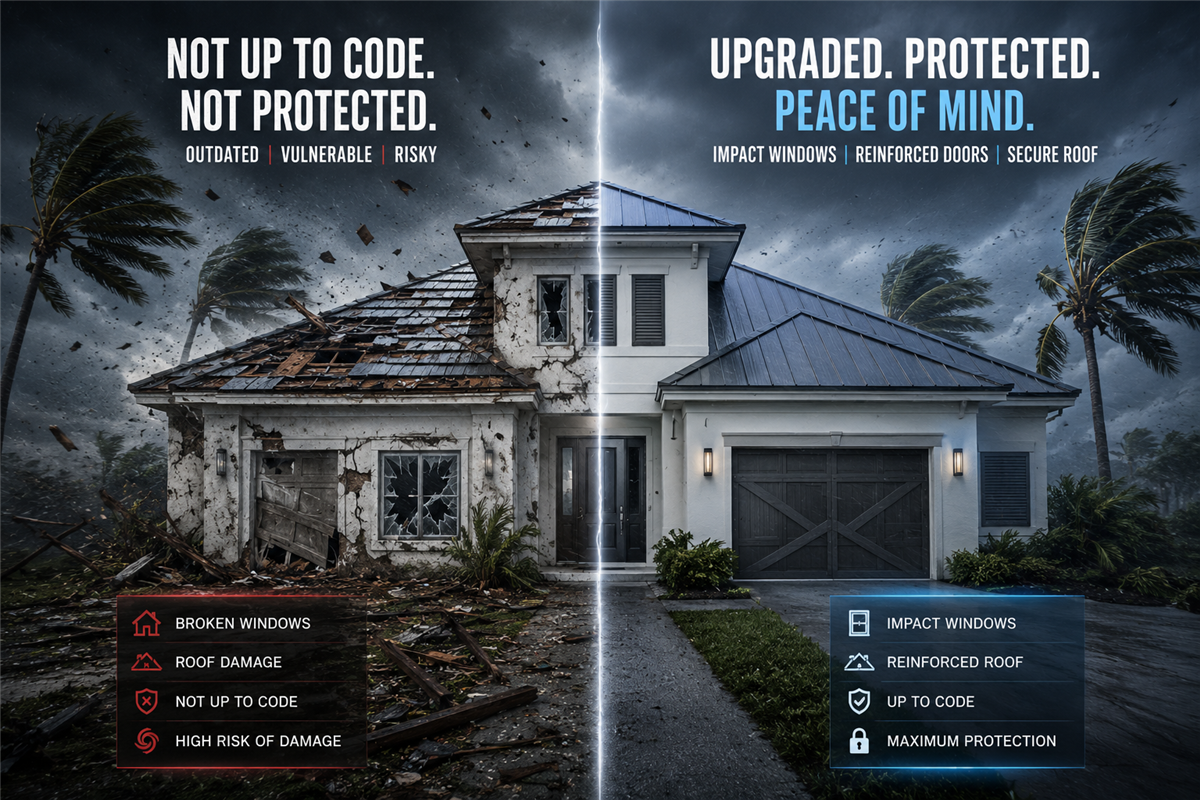
Homes built or upgraded to HVHZ standards are better equipped to handle:
- Extreme hurricane winds
- Flying debris impacts
- Pressure changes that can damage structures
This reduces the risk of major damage during storms.
How to Ensure Your Home Meets HVHZ Standards
If you live in an HVHZ area, it’s important to:
- Choose HVHZ-approved impact windows and doors
- Verify Miami-Dade NOA certification
- Work with experienced, licensed professionals
- Ensure proper permitting and inspections
These steps help ensure your home is fully protected.
What This Means for Your Home
HVHZ isn’t just a technical term—it’s a standard that directly impacts your home’s safety during hurricanes.
Understanding these requirements helps you make better decisions when upgrading your windows, doors, and overall protection system.
In South Florida, meeting HVHZ standards isn’t optional—it’s essential for protecting your home, your investment, and your peace of mind.
Subscribe to Statewide Windows & Doors's Blog



Comments