 Free Estimate
What Is Design Pressure in Impact Windows? (Explained Simply)
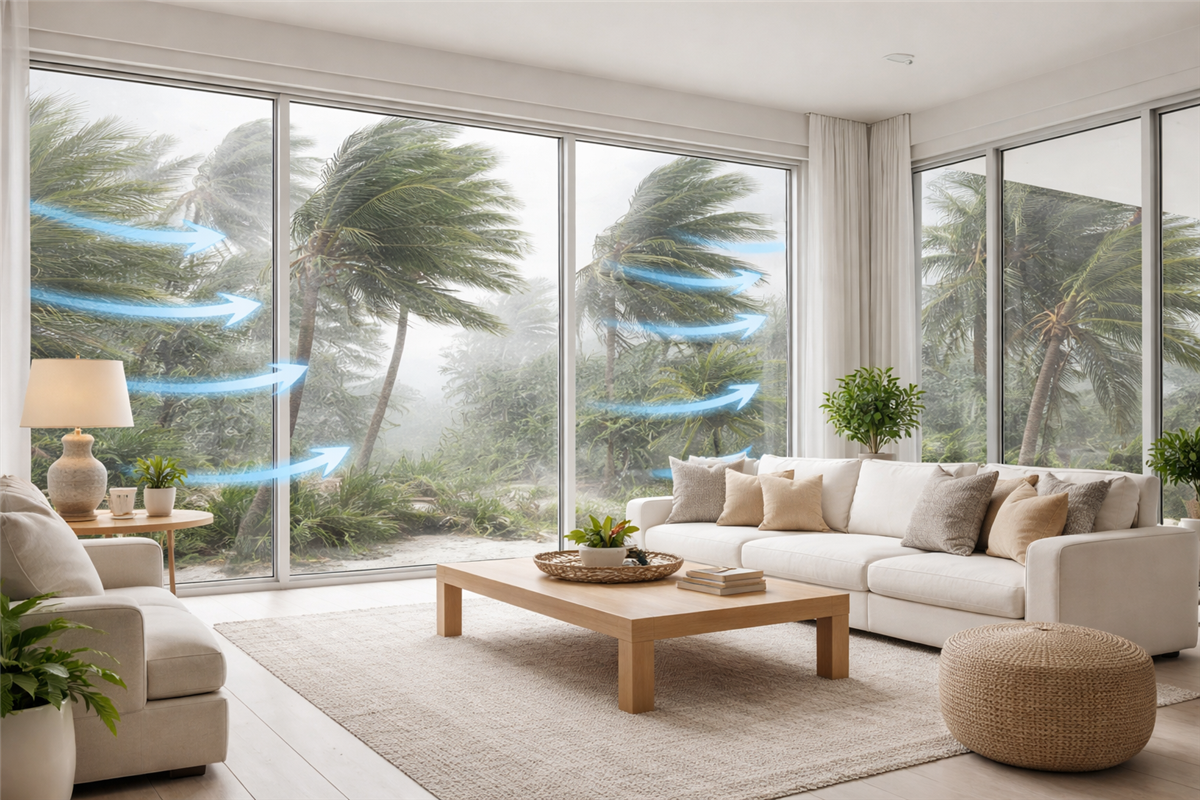
If you’re researching impact windows in South Florida, you’ve probably come across the term “design pressure” (DP). It sounds technical—but it’s actually one of the most important factors in how well your windows perform during a storm.
If you're considering impact windows, understanding design pressure can help you choose the right protection for your home.
What Is Design Pressure (DP)?
Design Pressure (DP) measures how much force a window can withstand from wind and pressure without failing.
It’s typically shown as a number like:
- DP30
- DP50
- DP70+
The higher the number, the stronger the window.
What Does Design Pressure Actually Mean?
Design pressure accounts for two types of force:
- Positive pressure: Wind pushing against the window
- Negative pressure: Wind pulling away from the window
During a hurricane, your windows experience both—and they need to handle each without breaking or detaching.
Why Design Pressure Matters in Florida
In South Florida, hurricanes create extreme wind forces that can put serious stress on your home.
If your windows don’t meet the required design pressure:
- They may flex or fail under stress
- Water and air can enter your home
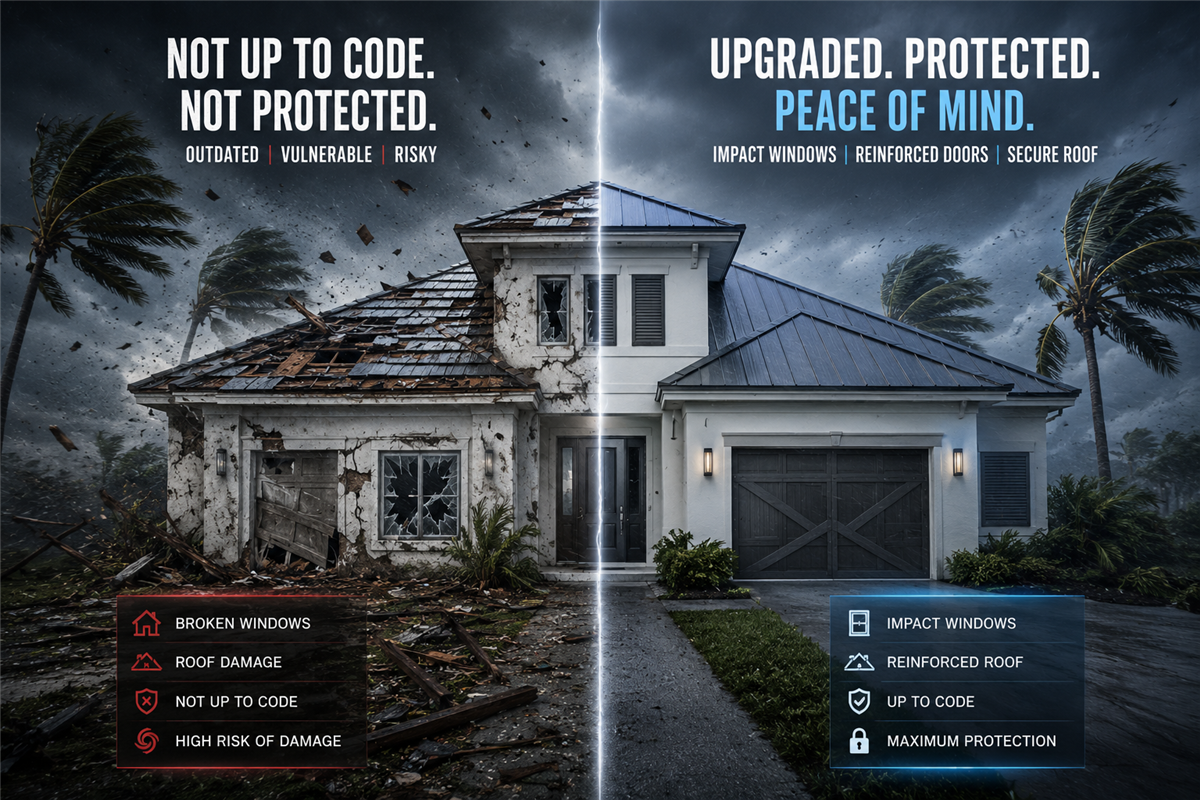
- Your home becomes more vulnerable to structural damage
This is why DP ratings are critical—not optional.
How DP Ratings Are Determined
Windows are tested under controlled conditions to simulate hurricane-force winds.
Testing includes:
- Wind load resistance
- Water penetration testing
- Structural performance under pressure
Only windows that pass these tests receive certified DP ratings.
What’s a “Good” DP Rating?
The right DP rating depends on your home’s location and exposure.
In general:
- DP30–DP40: Lower wind areas (not typical for South Florida)
- DP50–DP60: Common for residential homes
- DP70+: High-wind or coastal areas
South Florida homes often require higher DP ratings due to stricter building codes.
What Most Homeowners Don’t Realize
Not all impact windows have the same DP rating
Two windows may both be “impact-resistant” but perform very differently under pressure.
Higher DP = stronger overall system
It’s not just the glass—the frame and installation also contribute to performance.
Code requirements vary by location
Your exact area determines the minimum DP rating required.
Design Pressure vs. Impact Resistance
These are often confused—but they are different:
- Impact resistance: Ability to withstand flying debris
- Design pressure: Ability to withstand sustained wind force
You need both for full hurricane protection.
Why Installation Matters Just as Much
Even a high DP-rated window won’t perform properly if installed incorrectly.
Professional impact window installation ensures:
- Proper anchoring to the structure
- Correct sealing against air and water
- Full performance of the DP rating
Without proper installation, the rating means very little.
How to Choose the Right Windows
When selecting impact windows, consider:
- DP rating appropriate for your location
- Compliance with Florida building codes
- Installer experience
- Overall system performance (not just glass)
Working with a knowledgeable professional helps ensure you choose correctly.
What This Means for Your Home
Design pressure is one of the most important factors in how your windows perform during a hurricane.
Choosing the right DP rating—and pairing it with expert installation—can make the difference between minor stress and major damage during a storm.
In South Florida, understanding DP isn’t just helpful—it’s essential for protecting your home.
Subscribe to Statewide Windows & Doors's Blog



Comments