 Free Estimate
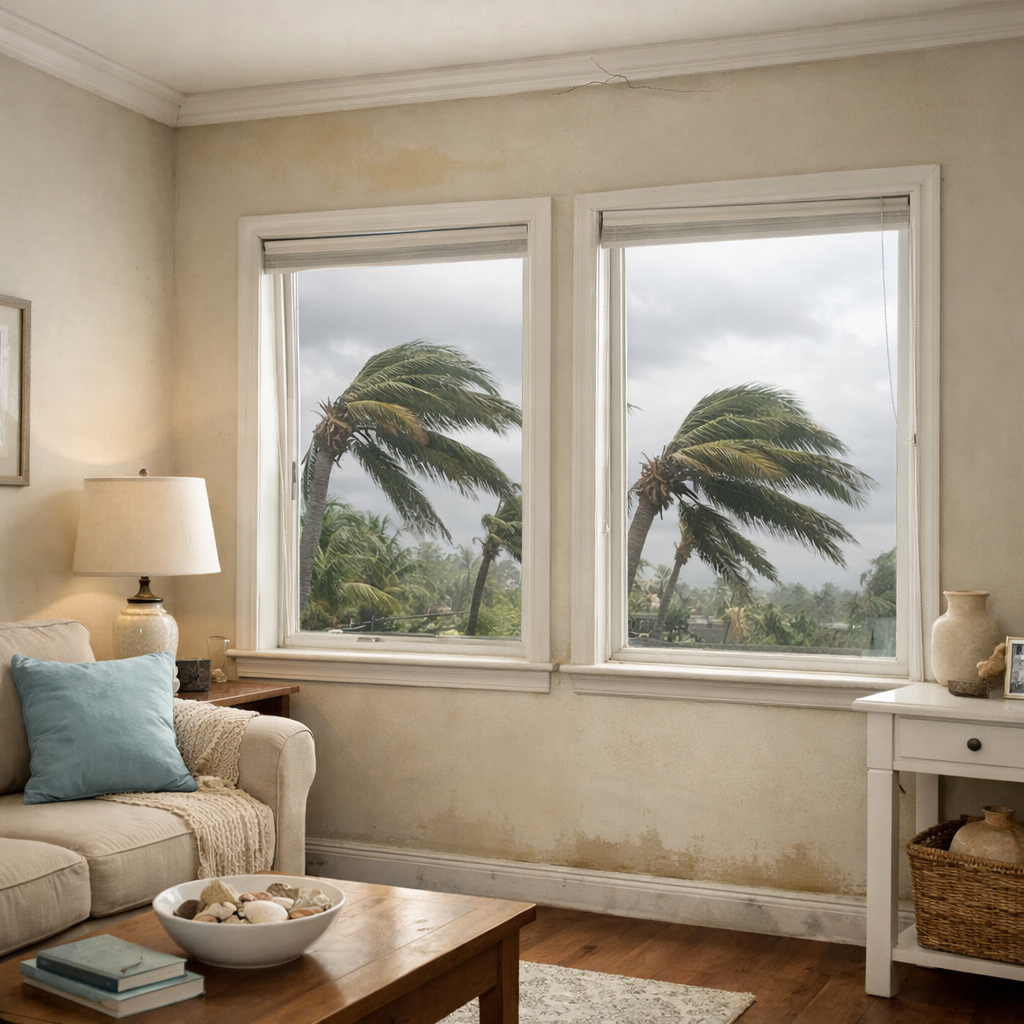
Hidden Damage Hurricanes Can Cause to Your Home
After a hurricane passes, many homeowners breathe a sigh of relief if there’s no obvious damage. But what most people don’t realize is that some of the most serious issues are hidden—and can show up weeks or even months later.
In South Florida, where storms are frequent and intense, understanding these hidden risks is critical. If you're considering impact windows or upgrades, here’s what you need to watch for.
Why Hidden Damage Is So Dangerous
Not all hurricane damage is visible right away. Even if your home looks fine on the surface, underlying issues can develop and worsen over time.
These problems can lead to:
- Costly repairs
- Structural weakening
- Mold and indoor air quality issues
That’s why early detection is key.
Common Types of Hidden Hurricane Damage
1. Water Intrusion Behind Walls
Wind-driven rain can force water into small gaps around windows, doors, and roofing.
This can lead to:
- Moisture trapped inside walls
- Rotting wood and framing
- Mold growth over time
Even minor leaks can cause major long-term damage.
2. Window and Door Seal Failure
High winds and pressure changes can weaken seals around windows and doors.
This may not be immediately visible, but over time it can cause:
- Air leaks
- Water intrusion
- Reduced energy efficiency
Proper installation helps prevent these issues.
3. Structural Stress and Shifting
Hurricanes put intense pressure on your home’s structure.
Even if nothing breaks, the stress can cause:
- Small shifts in framing
- Hairline cracks in walls or ceilings
- Weakened structural connections
These issues can worsen over time if left unaddressed.
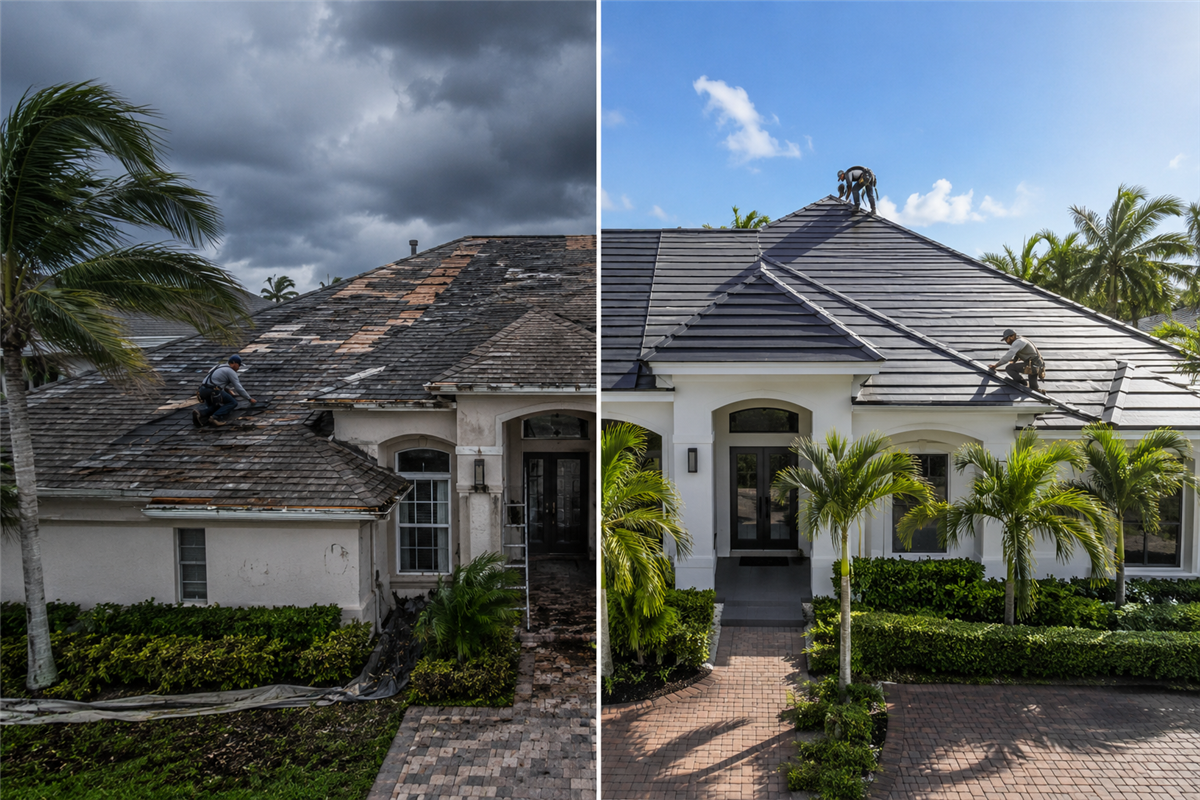
4. Roof Damage You Can’t See
Not all roof damage is obvious from the ground.
Hurricanes can loosen shingles, flashing, or underlayment, leading to:
- Slow leaks
- Water damage inside the home
- Reduced roof lifespan
5. Mold and Mildew Growth
Moisture from hidden leaks creates the perfect environment for mold.
This can affect:
- Walls and insulation
- Ceilings
- Indoor air quality
Mold often develops before homeowners even realize there’s a problem.
6. Compromised Insulation
Water intrusion can damage insulation inside walls and ceilings.
This reduces its effectiveness and can lead to:
- Higher energy bills
- Uneven indoor temperatures
Signs You May Have Hidden Damage
After a hurricane, watch for these warning signs:
- Musty odors
- New stains on walls or ceilings
- Peeling paint or bubbling drywall
- Increased humidity indoors
- Rising energy bills
These can indicate underlying issues that need attention.
What Most Homeowners Don’t Realize
Damage doesn’t always show immediately
Some problems take weeks or months to become visible.
Small issues can turn into major repairs
Minor leaks or cracks can lead to structural damage if ignored.
Prevention is more cost-effective
Upgrading key areas can reduce the risk of hidden damage in future storms.
How to Protect Your Home Moving Forward
Reducing hidden damage starts with strengthening your home’s weak points:
- Install impact windows and doors
- Ensure proper sealing and installation
- Inspect your roof after storms
- Schedule professional evaluations
Upgrading to impact-resistant systems helps prevent water intrusion and structural issues.
Why Installation Matters
Even high-quality products won’t perform properly without correct installation.
Professional installation ensures:
- Tight seals against water and air
- Proper anchoring for storm resistance
- Compliance with Florida building codes
This is critical for preventing hidden damage.
Don’t Wait Until It’s Too Late
Just because your home looks fine after a hurricane doesn’t mean it’s damage-free.
Hidden issues can quietly develop and lead to expensive repairs down the line. By understanding the risks and taking proactive steps, you can protect your home and avoid long-term problems.
In South Florida, preparation isn’t just about surviving the storm—it’s about protecting your home long after it passes.
Subscribe to Statewide Windows & Doors's Blog




Comments