 Free Estimate
Common Window Problems in South Florida Homes
South Florida’s climate offers beautiful weather and coastal views—but it can also be tough on homes, especially windows. Constant sun exposure, humidity, heavy rain, salt air, and hurricane-force winds can all impact window performance over time.
Because of these conditions, many homeowners experience issues that affect comfort, energy efficiency, and storm protection. Recognizing these problems early can help you decide whether repairs or upgrades are needed.
Most Common Window Problems
1. Air Leaks and Drafts
Air leakage around window frames is one of the most noticeable issues.
Over time, seals and weatherstripping break down due to heat and humidity, allowing outside air and moisture to enter your home.
This can lead to:
- Higher energy bills
- Uneven indoor temperatures
- Increased indoor humidity
Upgrading to energy-efficient windows can help eliminate drafts and improve comfort.
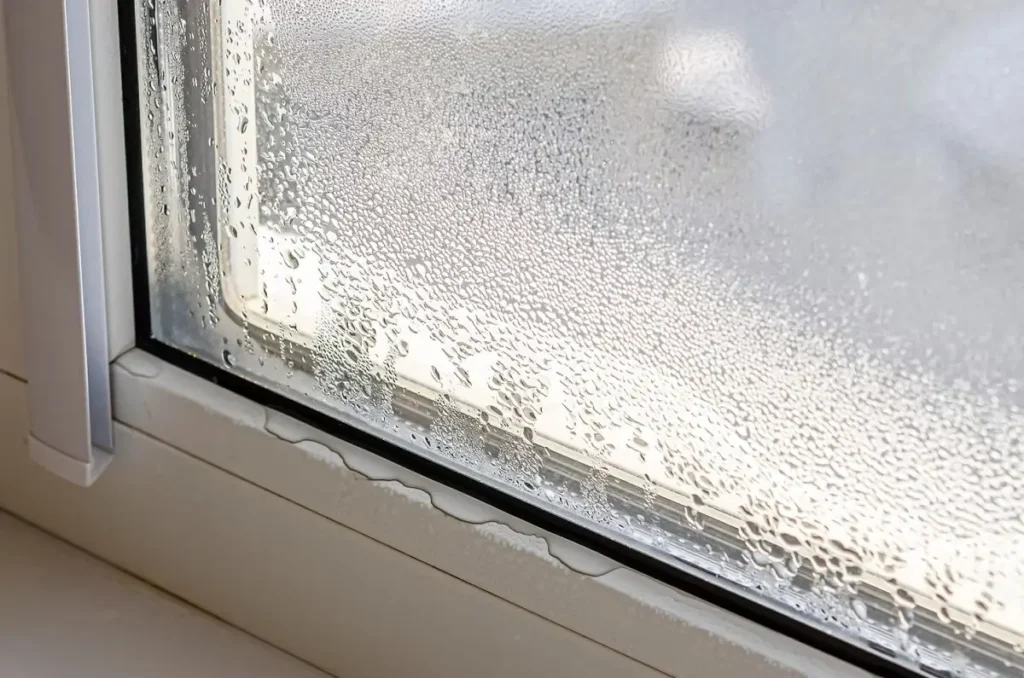
2. Condensation Between Glass Panes
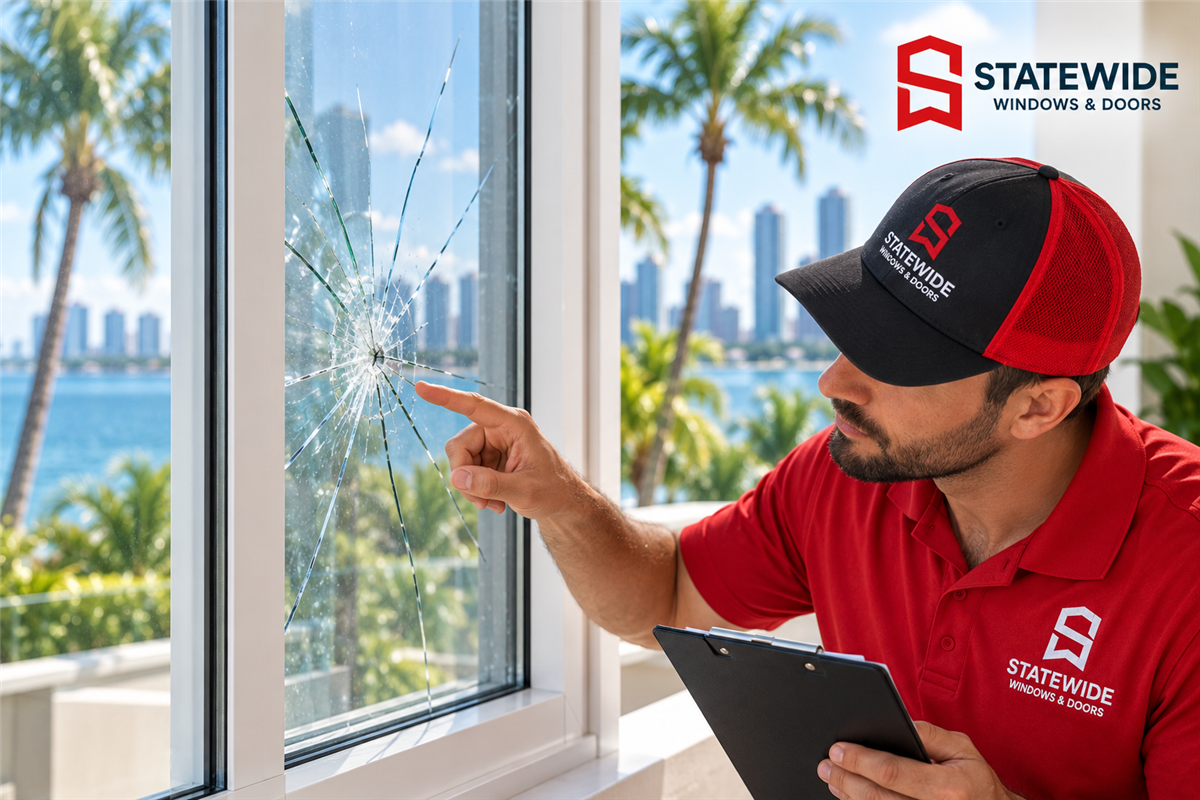
Fog or condensation between panes usually means the window seal has failed.
Modern windows rely on sealed insulated glass units. When that seal breaks, moisture gets trapped between panes and reduces insulation performance.
In most cases, window replacement is the best long-term solution.
3. Warped or Damaged Window Frames
Humidity and moisture can cause window frames to deteriorate over time.
Common issues include:
- Wood rot or swelling
- Material expansion and contraction
- Loss of proper sealing
Warped frames can also make windows harder to operate and reduce structural integrity.
4. Difficulty Opening or Closing Windows
Windows that stick, jam, or won’t stay open are common in older homes.
This can be caused by:
- Warped frames
- Broken hardware
- Dirt and debris in tracks
- General wear and tear
Poorly functioning windows can also become a safety issue if they’re needed for emergency exits.
5. Water Leaks During Heavy Rain
Frequent storms in South Florida can expose weaknesses in window seals.
Water intrusion can damage:
- Drywall
- Flooring
- Trim and surrounding materials
Proper window installation and sealing are critical for preventing leaks.
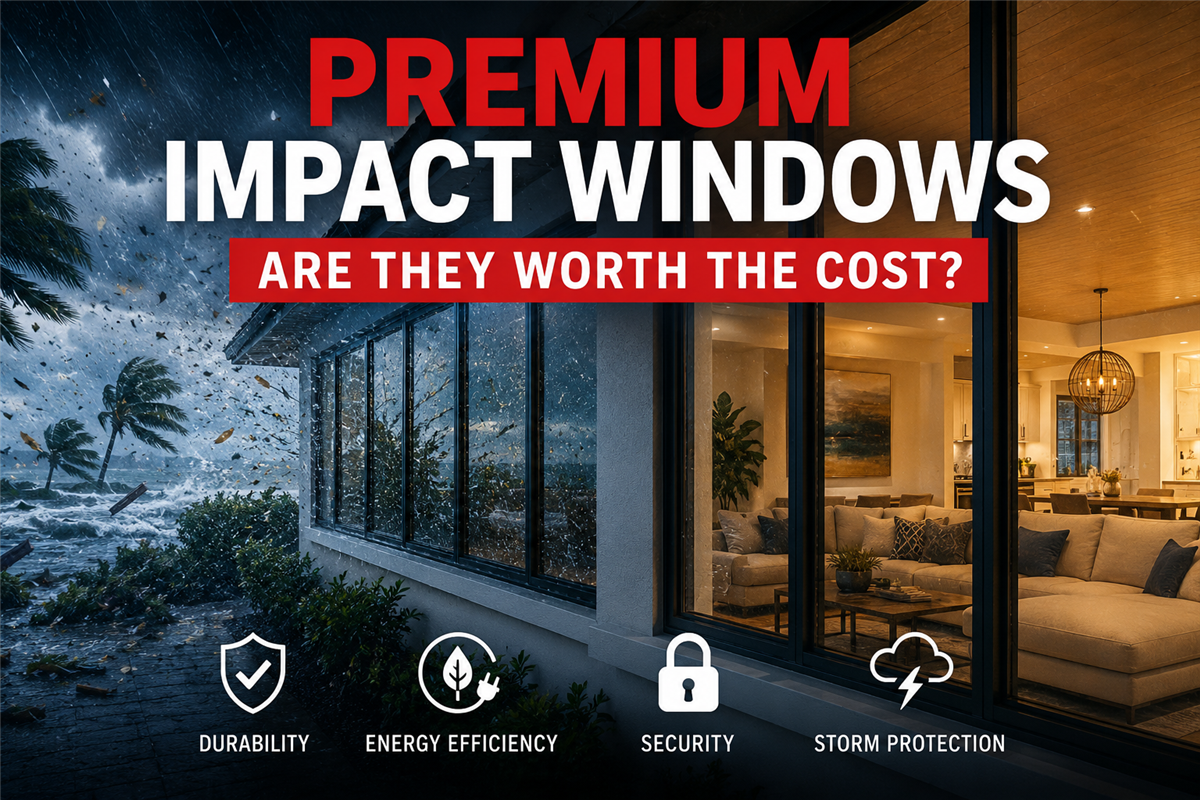
6. Poor Hurricane Protection
Older windows are often not designed for hurricane conditions.
During storms, standard windows can shatter, allowing wind and rain to enter and create dangerous internal pressure.
Upgrading to impact-resistant windows helps protect your home and meet modern building codes.
7. Increased Outside Noise
Older or single-pane windows provide little sound insulation.
This allows noise from traffic, construction, and nearby activity to enter the home.
Modern insulated and laminated windows can significantly reduce outside noise and improve indoor comfort.
8. Fading Interior Materials
Strong sunlight in South Florida can allow UV rays to enter through traditional windows.
Over time, this can cause fading of:
- Furniture
- Flooring
- Curtains and fabrics
- Artwork
Modern windows with Low-E coatings help block UV rays while still allowing natural light inside.
What Most Homeowners Don’t Realize
Small issues turn into big problems
Minor leaks or drafts can lead to larger issues like mold, water damage, and high energy costs.
Older windows affect more than comfort
They can impact safety, especially during storms, and reduce overall home efficiency.
Upgrades improve multiple areas at once
New windows can improve energy efficiency, storm protection, noise reduction, and home value all at once.
Bottom Line
Windows play a major role in protecting your home from South Florida’s challenging climate.
Common issues include:
- Air leaks and drafts
- Condensation between panes
- Warped or damaged frames
- Operational issues
- Water leaks
- Poor hurricane protection
- Noise problems
- UV damage
If you’re experiencing these problems, it may be time to consider replacing your windows with modern, high-performance options designed for Florida conditions.
Subscribe to Statewide Windows & Doors's Blog


Comments