 Free Estimate

Thinking About Hurricane Shutters? Read This First Before You Decide
When preparing a home for hurricane season in South Florida, many homeowners consider installing hurricane shutters as a form of protection. While shutters can provide a level of defense, it’s important to fully understand the risks, limitations, and long-term considerations before making a decision.
Choosing the right storm protection isn’t just about meeting code—it’s about safety, convenience, and long-term performance.
Understanding What Hurricane Shutters Do
Hurricane shutters are designed to cover windows and doors during a storm to help protect against:
Flying debris
Strong winds
Broken glass
They act as a physical barrier, typically installed over existing windows when a storm is approaching.
However, they are not a permanent solution—you must deploy or close them before every storm.
The Risks Homeowners Should Consider
While hurricane shutters can be effective, there are several important risks and drawbacks homeowners should be aware of.
1. Manual Preparation Before Every Storm
Most hurricane shutters require homeowners to:
Install panels
Close accordion or roll-down systems
Secure all openings
This process can be time-consuming and stressful, especially when a storm is approaching quickly.
If shutters are not installed correctly or in time, your home may be left unprotected.
2. Limited Visibility and Natural Light
Once shutters are closed:
Natural light is blocked
Visibility to the outside is reduced
Indoor spaces can feel dark and enclosed
During a storm, this can make the home feel less comfortable and more confined.
3. Storage and Maintenance Issues
Certain types of shutters, especially panel systems, require:
Storage space when not in use
Regular maintenance to prevent corrosion
Inspection before each hurricane season
In South Florida’s humid and coastal environment, wear and tear can become a concern over time.
4. Potential for Improper Installation
If shutters are not installed or secured correctly:
They may fail during high winds
Openings can become vulnerable to debris
Structural damage risks increase
Proper installation is critical—but even then, deployment relies on homeowner action.
Comparing Long-Term Protection Options
When evaluating storm protection, homeowners often compare shutters with more permanent solutions.
Hurricane shutters:
Require manual setup
Are only in place during storms
Do not improve energy efficiency
Permanent impact-resistant solutions, on the other hand, are always in place and do not require preparation before a storm.
A Different Approach to Storm Protection
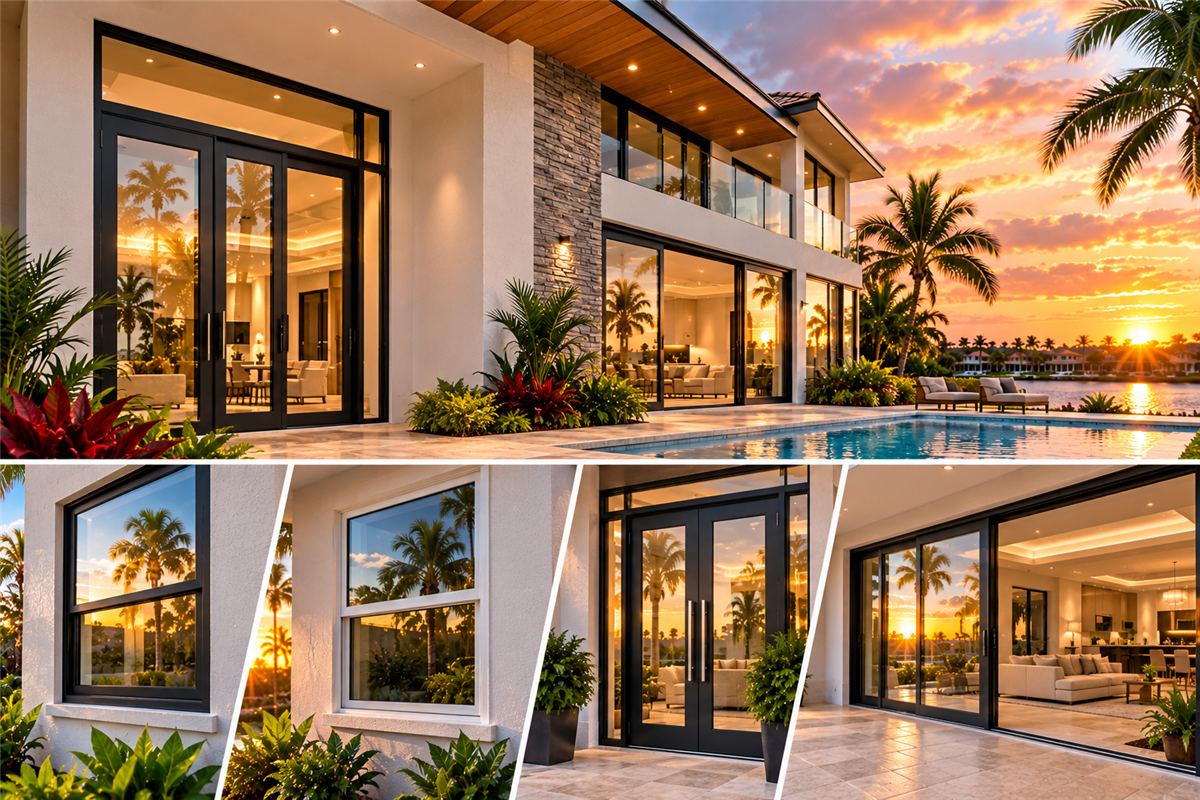
At Statewide Windows and Doors, the focus is on permanent impact window and door systems designed to meet Florida’s strict building codes.
Unlike shutters, impact windows:
Do not require installation before a storm
Allow natural light to remain during severe weather
Provide year-round protection
They are built to withstand:
High winds
Flying debris
Pressure changes during hurricanes
This approach eliminates the need for last-minute preparation while offering continuous protection.
What Homeowners Should Think About Before Choosing
Before deciding on hurricane shutters, it’s important to consider:
How quickly you can prepare your home before a storm
Whether you want a temporary or permanent solution
Long-term maintenance and durability
Overall convenience and peace of mind
Every home and homeowner is different, so the right choice depends on your priorities and lifestyle.
Bottom Line
Hurricane shutters can provide protection, but they also come with responsibilities and limitations that homeowners should fully understand.
Storm protection in South Florida is not just about having something in place—it’s about having the right solution in place.
At Statewide Windows and Doors, homeowners can explore long-term protection options designed to provide safety, durability, and peace of mind without the need for repeated preparation.
Subscribe to Statewide Windows & Doors's Blog



Comments