What Are the Advantages of a Tile Roof in South Florida?
Tile roofs are one of the most recognizable roofing styles in South Florida, and for good reason. In a region known for intense sun, heavy rain, humidity, salt air, and hurricane-season stress, homeowners need a roofing material that can hold up over time.
That is where tile roofing stands out. For many homes, it offers a strong combination of durability, curb appeal, longevity, and climate performance. Florida roofing guidance also specifically addresses concrete and clay tile systems for high-wind installation, which helps explain why tile remains such a common choice in the state.
Quick Answer: Why Do So Many South Florida Homes Use Tile Roofs?
Homeowners often choose tile roofs because they can offer:
- Long lifespan
- Strong durability in heat and rain
- Good performance in high-wind regions when properly installed
- Natural ventilation benefits
- Low day-to-day maintenance
- A distinctive South Florida architectural look
For many homeowners, tile is appealing because it is not just a roof covering. It is a long-term exterior upgrade that fits both the climate and the style of the region.
Why Tile Roofing Makes Sense in South Florida
Roofing decisions in South Florida are different from roofing decisions in many other parts of the country.
Homes here deal with:
- Year-round UV exposure
- Long rainy seasons
- High humidity
- Coastal salt-air exposure in many areas
- Strong wind events and hurricane-season pressure
Because of that, homeowners usually need more than just an affordable roof. They need one that makes sense for South Florida conditions over the long run.
1. Long Lifespan
One of the biggest reasons homeowners choose tile is longevity.
Tile roofs are widely known for lasting longer than many other common residential roofing materials. In practice, well-installed clay or concrete tile systems can often outlast asphalt shingle roofs by a wide margin, which is why they are often treated as a long-term investment rather than a short-cycle roof replacement.
Why that matters
A higher upfront cost can make more sense when the roof is expected to stay in place for decades instead of needing replacement much sooner.
2. Strong Durability in Harsh Weather
South Florida roofs have to deal with heat, heavy rain, humidity, and storm exposure. Tile performs well in that kind of environment because it is built for long-term exterior use and does not break down as quickly from sun exposure as some lighter roofing materials can.
Florida’s code and product-approval framework also includes specific wind-resistance testing and installation requirements for concrete and clay roof tile systems, including standards tied to mechanical uplift resistance and high-wind installation manuals.
What homeowners should understand
Tile is durable, but the performance depends heavily on proper installation. In South Florida, that matters just as much as the material itself.
3. Good Energy Performance in a Hot Climate
In a hot climate, roofing material affects more than weather protection. It also affects how much heat the home absorbs.
Tile roofs are often valued for the way their design creates an air space beneath the tiles, which can help reduce heat transfer into the structure. U.S. Department of Energy resources also note that roofs designed to reflect more sunlight absorb less solar energy and stay cooler than conventional darker roofs.
Why this matters in South Florida
Anything that helps reduce roof heat gain can help the home stay more comfortable and can reduce how hard the AC system has to work.
4. Low Maintenance Over Time
Tile roofs are often attractive to homeowners because they are relatively low maintenance compared with some other roofing materials.
They are not maintenance-free, but they are generally resistant to issues like rot and insect damage, and individual damaged tiles can often be addressed without replacing the entire roof system.
What to keep in mind
Low maintenance is not the same as no maintenance. Tile roofs still benefit from inspections, especially after major storms or if the home is in a coastal environment.
5. Strong Fit for Coastal and Tropical Conditions
South Florida homes are often exposed to a combination of humidity, sun, salt air, and storm activity. Tile roofing has remained popular in these environments because clay and concrete tile systems are well suited to tropical and coastal architectural use.
That is one reason tile continues to show up so often across both suburban neighborhoods and coastal homes in the region.
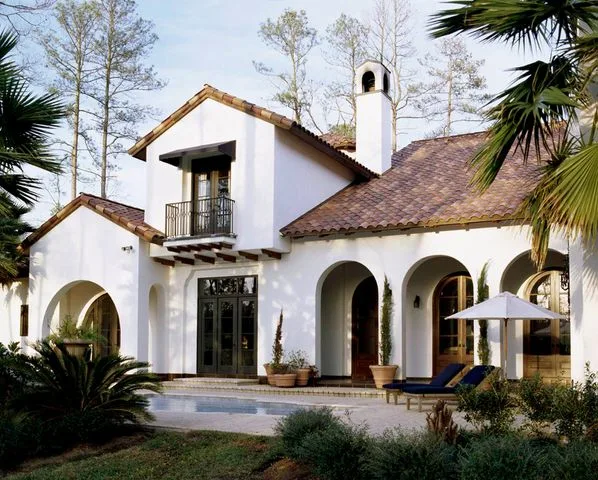
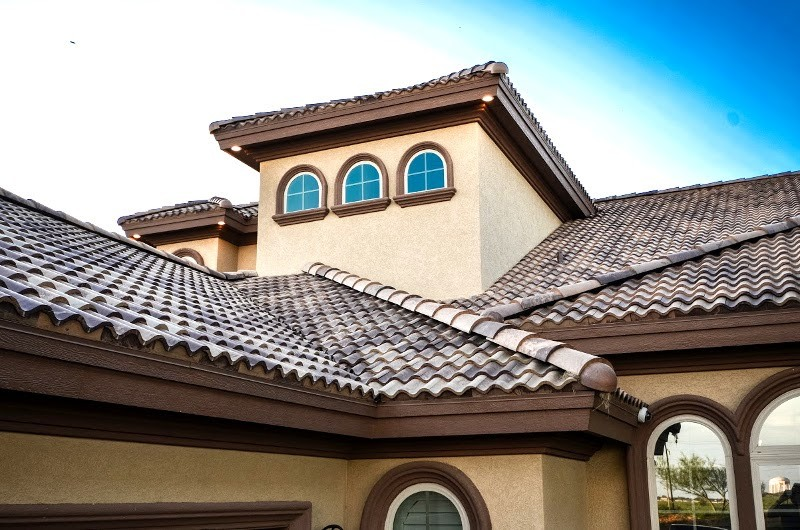
6. Distinctive Curb Appeal
Tile roofs are not just practical. They also have a look that fits South Florida extremely well.
They are especially common on:
- Mediterranean-style homes
- Spanish-style homes
- Coastal and resort-style architecture
That makes tile appealing for homeowners who want a roof that performs well and also feels visually appropriate for the home’s design.
7. Long-Term Value
Because tile roofs are associated with durability, longevity, and strong curb appeal, they can also support overall home value.
That does not mean every tile roof automatically adds the same resale premium. But in South Florida, buyers often recognize tile as a durable, desirable roofing material—especially when the roof is in good condition and fits the architecture of the home.
What Most Homeowners Don’t Realize
The roof structure matters
Tile is heavier than some other roofing materials, so the home needs to be appropriate for the system being installed.
Installation matters as much as the material
Florida tile roofing performance depends on proper fastening, underlayment, and installation methods, especially in high-wind regions.
The best roof is not always the cheapest roof
Tile often costs more upfront, but many homeowners choose it because of the long-term durability and lifespan.
How Tile Compares to Other Common Roof Types
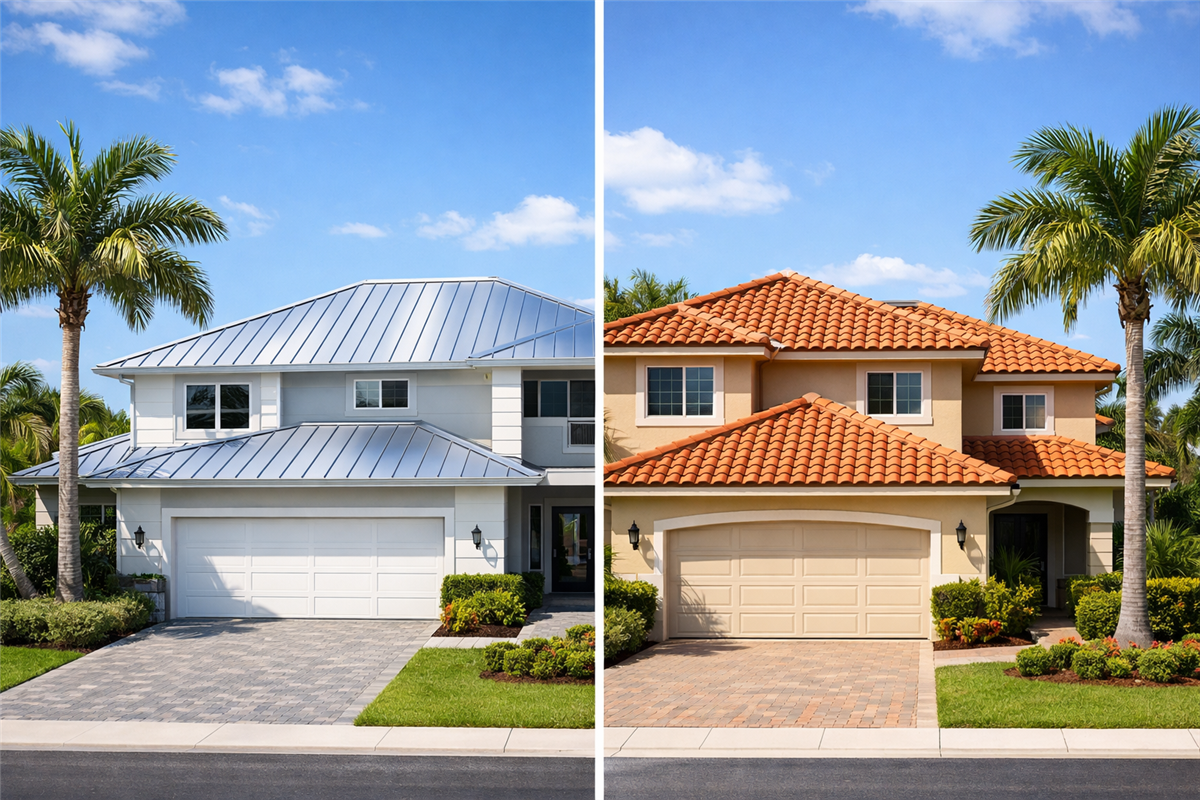
- Compared with shingles: tile often costs more upfront but is usually chosen for longer life and a more premium appearance.
- Compared with metal: both are strong long-term options, but tile often wins on traditional South Florida curb appeal while metal often appeals to homeowners who want a cleaner, more modern look.
If you want to support this article with internal links, it pairs naturally with your metal roofing, shingle roofing, and broader roof installation pages.
FAQ: Tile Roof Advantages in South Florida
Why are tile roofs so common in South Florida?
Because they offer strong durability, long lifespan, and a look that fits many South Florida home styles.
Are tile roofs good for hurricanes?
They can perform very well when properly installed, and Florida code specifically addresses high-wind installation requirements for concrete and clay tile systems.
Do tile roofs help with energy efficiency?
They can. Their design can help reduce heat transfer, and roof systems that reflect more sunlight can reduce solar heat absorption.
Are tile roofs low maintenance?
Generally yes, though they still need inspections and occasional repairs over time.
Is tile worth the extra cost?
For many homeowners, yes—especially when long lifespan, durability, and curb appeal are priorities.
Bottom Line
Tile roofs are popular in South Florida because they fit the region well. They are durable, long-lasting, visually distinctive, and well suited to hot, humid, storm-prone conditions.
For homeowners who want a roof that offers both long-term protection and strong curb appeal, tile is often one of the best options to consider.
Subscribe to Statewide Windows & Doors's Blog


Comments