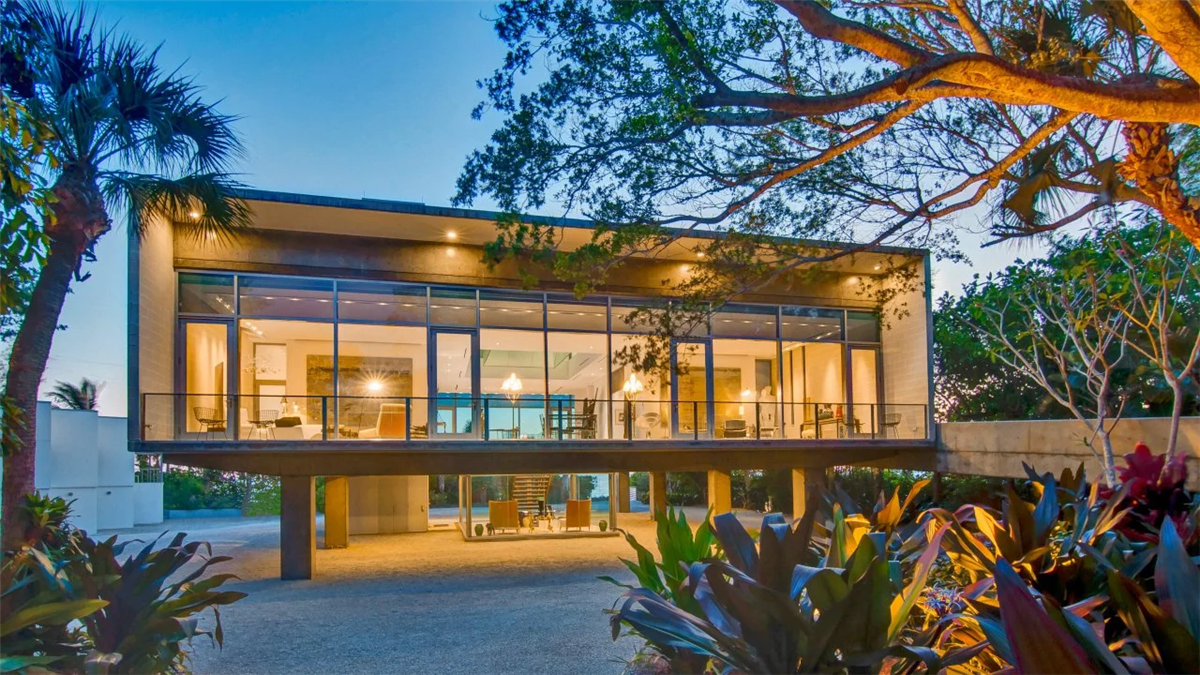
Andersen vs Pella Windows: Which Is Better for South Florida Homes?
Choosing the right windows in South Florida is especially important due to extreme heat, humidity, and hurricane threats. Homeowners often compare Andersen Windows and Pella Windows, two of the most recognized window manufacturers in the United States.
While both brands offer high-quality products, they differ in durability, customization, and overall performance—especially when considering South Florida’s demanding climate.
Overview of Andersen Windows
Andersen is one of the largest window manufacturers in North America and is known for producing durable, high-performance windows.
Andersen windows are known for:
Strong composite (Fibrex) and wood frame options
High durability and long-term performance
Consistent product quality across lines
Professional installation options through Renewal by Andersen
Because of their durability, Andersen windows are often chosen by homeowners who prioritize long-term performance and reliability.
Overview of Pella Windows
Pella is another major window manufacturer with a strong reputation for design flexibility and product variety.
Pella windows are known for:
Wide range of materials vinyl, fiberglass, and wood)
Strong customization options
Energy-efficient glass technology
Modern designs and features
Pella is often preferred by homeowners looking for more design options and aesthetic flexibility.
Key Differences Between Andersen and Pella
There are several important differences homeowners should consider:
Durability
Andersen → Known for strong composite materials and long-lasting performance
Pella → Durable as well, but more focused on design and variety
Customization
Pella → Offers more customization options, including built-in blinds and design features
Andersen → Offers fewer design add-ons but strong structural performance
Cost
Andersen windows are often slightly more expensive on average
Pella offers a wider price range, including more budget-friendly options
Performance in South Florida’s Climate
South Florida homes require windows that can handle:
Intense UV exposure
High humidity and moisture
Heavy rain
Hurricane-force winds
While both Andersen and Pella offer energy-efficient and durable windows, standard residential windows from either brand are not always impact-rated for hurricanes.
For South Florida homeowners, this is a critical distinction.
Impact Windows vs Standard Windows
Unlike brands such as ESW, CGI, and CWS, which are specifically engineered for hurricane protection, Andersen and Pella windows are often designed for general residential use across the U.S.
This means:
Not all models are impact-rated
Not all are designed for high-velocity hurricane zones (HVHZ)
Additional protection (like shutters) may be required
At Statewide Windows and Doors, homeowners are guided toward impact-rated window systems designed specifically for South Florida’s hurricane-prone environment.
Which Is Better for South Florida Homes?
Choosing between Andersen and Pella depends on your priorities:
Choose Andersen if you want durability and long-term performance
Choose Pella if you prefer customization and design flexibility
However, for hurricane protection, homeowners in South Florida should prioritize impact-rated windows specifically designed for coastal conditions.
Final Thoughts
Both Andersen and Pella are well-respected window manufacturers offering high-quality products for residential homes.
However, in South Florida, the most important factor is not just the brand—but whether the windows are built for hurricane protection.
At Statewide Windows and Doors, homeowners can choose from trusted impact window manufacturers like:
ESW (Eastern Architectural Systems)
CGI Windows and Doors
CWS (Custom Window Systems)
These products are specifically engineered to withstand South Florida’s extreme weather conditions while improving safety, energy efficiency, and long-term home value.
Subscribe to Statewide Windows & Doors's Blog



Comments